Nikon Nikkor AF-S DX 16-85 mm f/3.5-5.6G ED VR
11. Summary
- good build quality,
- useful range of focal lengths,
- very good frame centre image quality at all focal lengths and aperture combinations
- good frame edge image quality (apart from the maximum aperture),
- low chromatic aberration in the middle of the focal lengths range,
- slight astigmatism,
- quick, accurate and silent autofocus
Cons:
- frame edge image quality should have been better at maximum aperture,
- too high chromatic aberration at the extremes of the focal lengths range,
- high distortion at the widest angle,
- visible coma,
- high vignetting,
- average work against bright light.
How could you sum up our test? It is not easy at all as our feelings are mixed. On the one hand the lens’s focal lengths range is very universal, giving us a wide angle of view. On the other hand, though, the lens is not fast enough. The competitors, like the Zeiss 16-80 mm and the Olympus 12-60 mm, although more expensive, have also significantly more to offer. Nikkor gives us stabilization but Sony and Olympus have the stabilization system in –built in bodies – what’s more, in the case of Olympus it is almost as efficient as in the Nikkor.
Please Support UsIf you enjoy our reviews and articles, and you want us to continue our work please, support our website by donating through PayPal. The funds are going to be used for paying our editorial team, renting servers, and equipping our testing studio; only that way we will be able to continue providing you interesting content for free. |
- - - - - - - - - - - - - - - - - - - - - - - - - - - - - - - - - - - - - - - - - - - - - - - -
On the one hand the Nikkor’s 16-85 VR advantages are numerous, and the most significant of them is high image quality, possible to achieve for most of usages. On the other hand, though, you could expect less slip-ups from a lens with averagely demanding parameters which costs more than 600 $.
Personally I would prefer having an instrument with a bit shorter focal lengths range , for example 16-70 mm, but faster. I don’t mean f/2.8 here because the price and the dimensions would skyrocket for sure then, but f/4.0 fixed or f/3.5 – f/4.5 variable would do.
Sample shots:
|
|

|
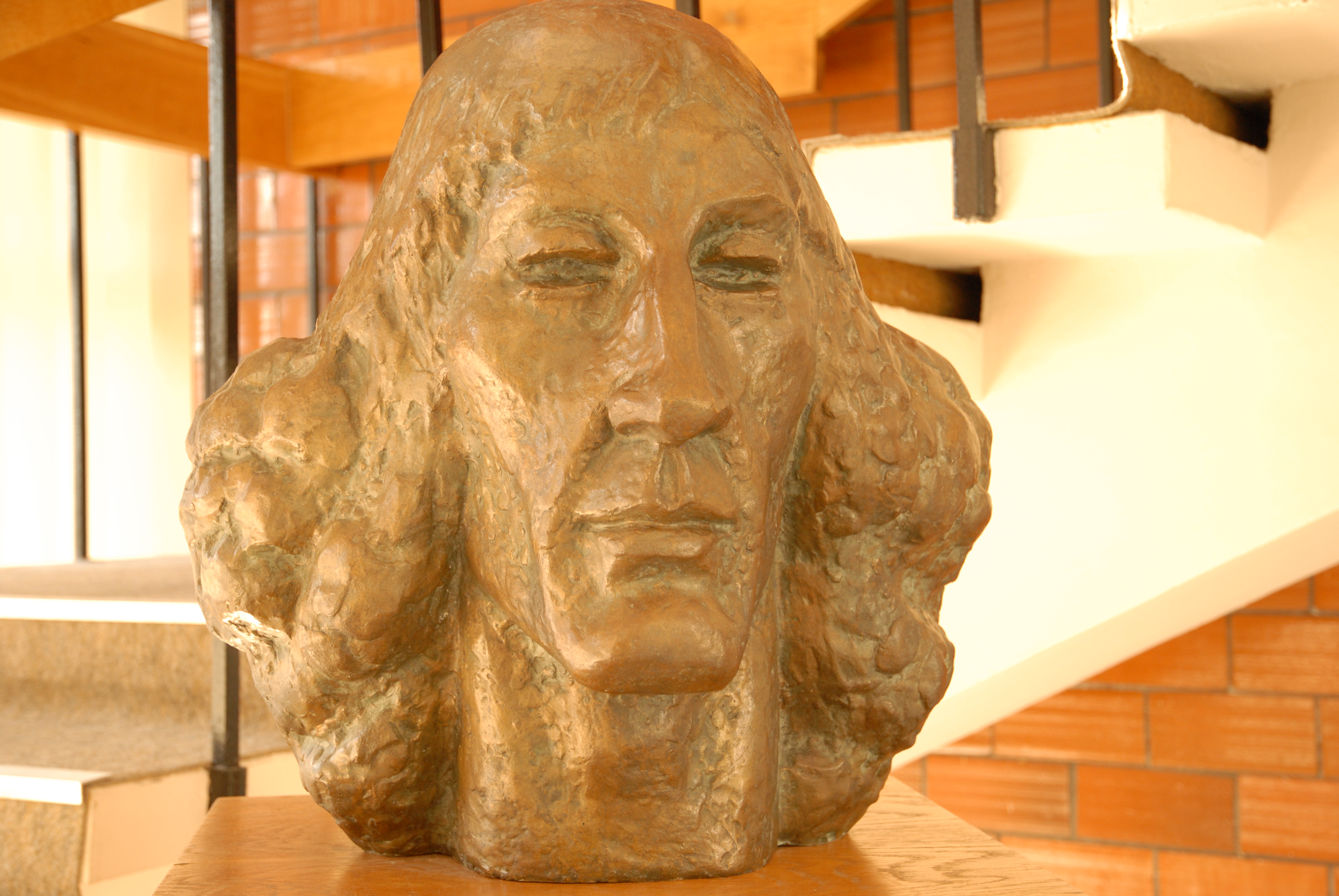
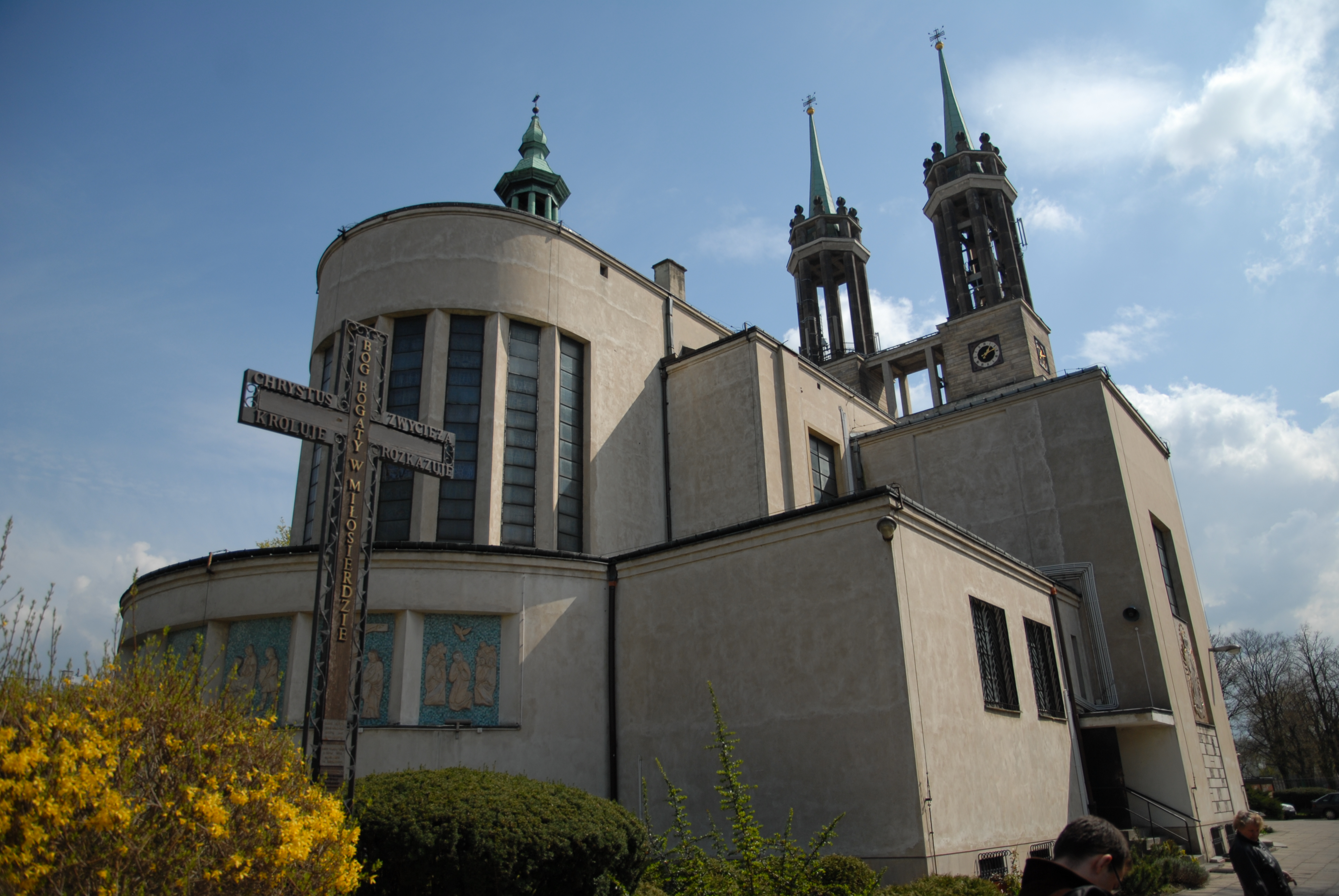
| Camera: Nikon D200 Parameters: 34 mm, f/4.5, exp. 1/30 sec., ISO 400 File: JPG, 3872x2592 pix, 4.2 MB |
Camera: Nikon D200 Parameters: 16 mm, f/3.5, exp. 1/1500 sec., ISO 100 File: JPG, 3872x2592 pix, 3.9 MB |
Camera: Nikon D200 Parameters: 16 mm, f/8.0, exp. 1/320 sec., ISO 100 File: JPG, 3872x2592 pix, 4.3 MB |

|

|

|
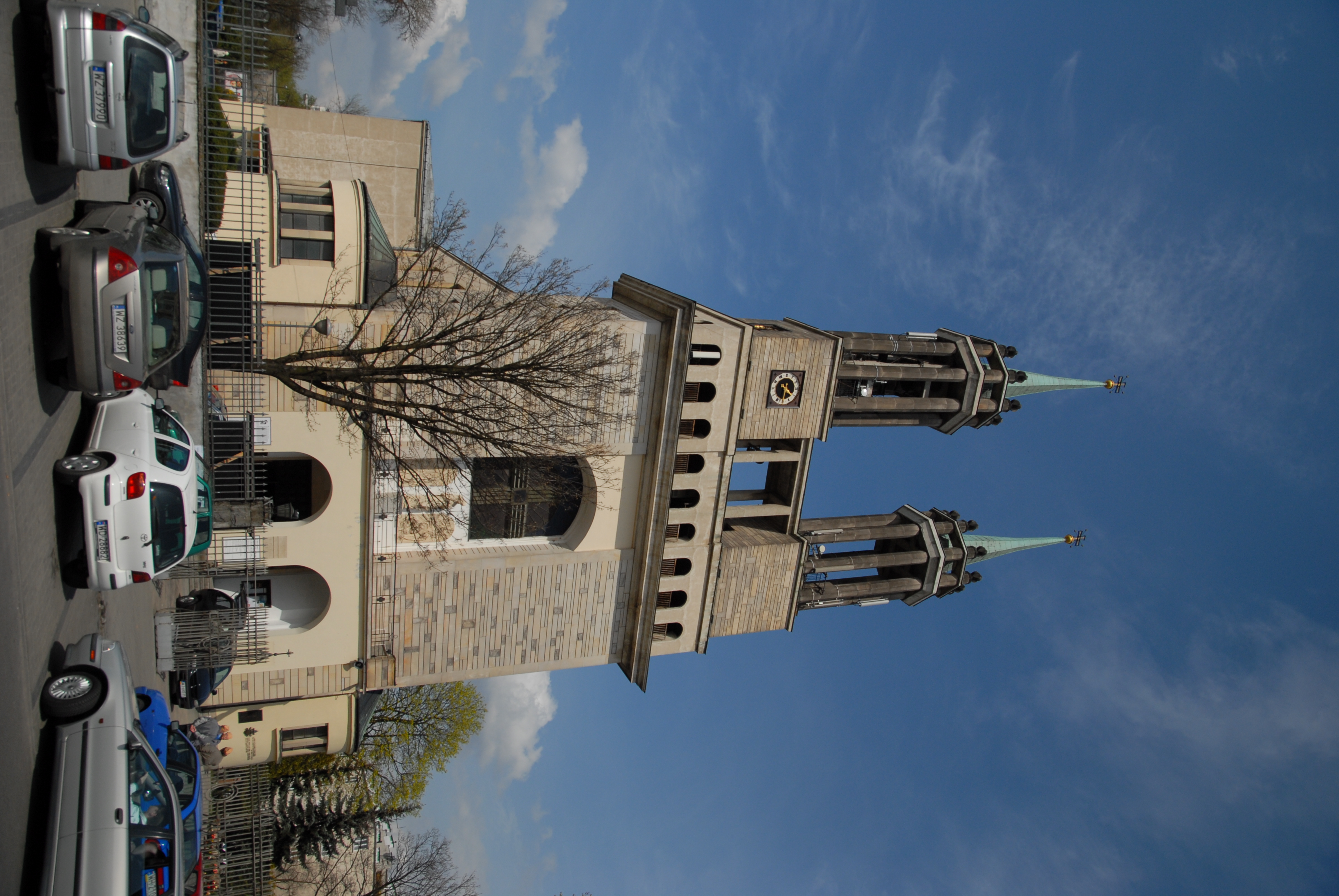
| Camera: Nikon D200 Parameters: 50 mm, f/5.0, exp. 1/160 sec., ISO 200 File: JPG, 3872x2592 pix, 3.8 MB |
Camera: Nikon D200 Parameters: 85 mm, f/5.6, exp. 1/180 sec., ISO 200 File: JPG, 3872x2592 pix, 3.8 MB |
Camera: Nikon D200 Parameters: 48 mm, f/6.3, exp. 1/400 sec., ISO 200 File: JPG, 3872x2592 pix, 5.1 MB |

|
|

|
| Camera: Nikon D200 Parameters: 35 mm, f/4.5, exp. 1/3200 sec., ISO 200 File: JPG, 3872x2592 pix, 3.9 MB |
Camera: Nikon D200 Parameters: 16 mm, f/5.0, exp. 1/2500 sec., ISO 200 File: JPG, 3872x2592 pix, 4.5 MB |
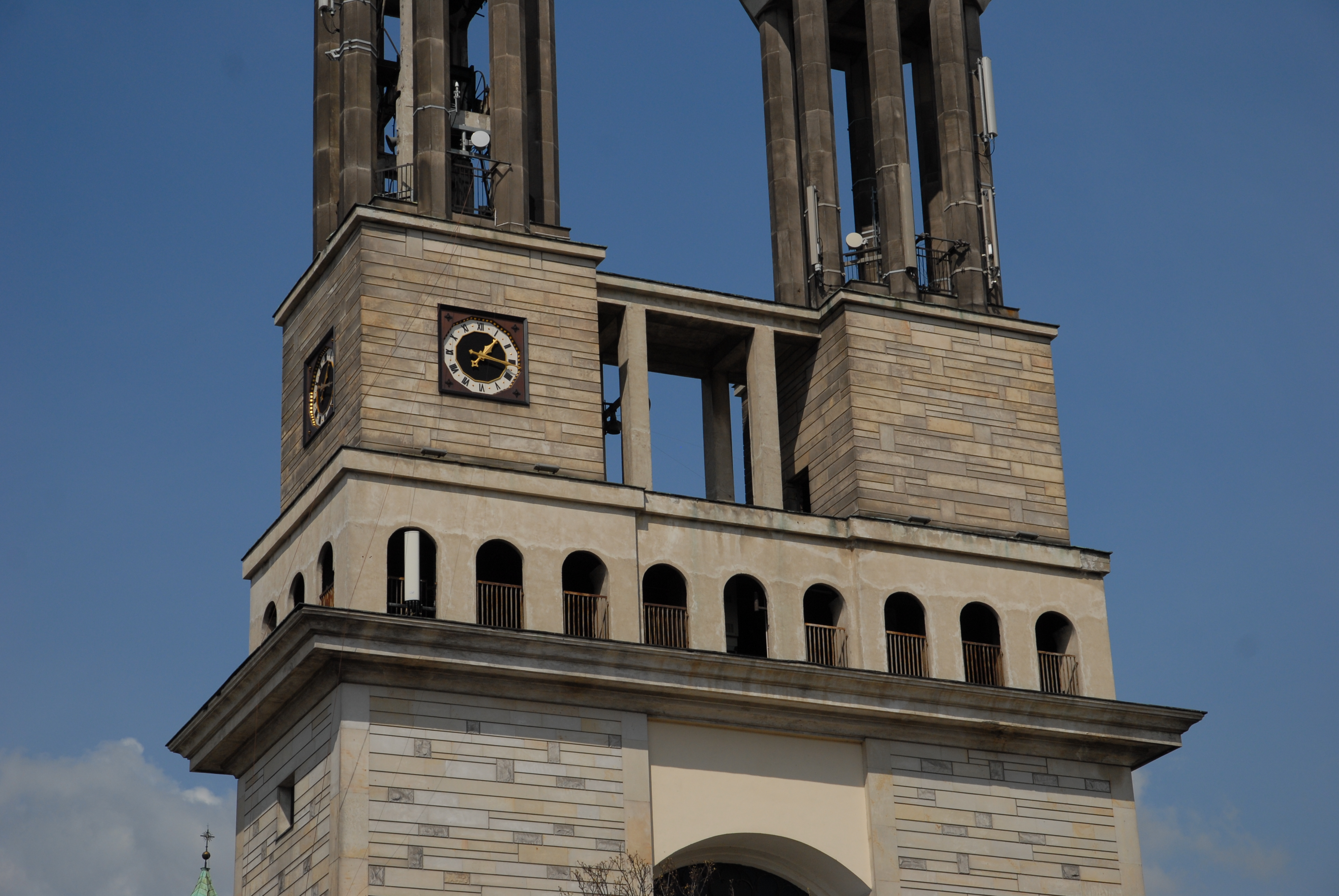
Camera: Nikon D200 Parameters: 24 mm, f/7.1, exp. 1/1250 sec., ISO 200 File: JPG, 3872x2592 pix, 4.9 MB |
|

|
|
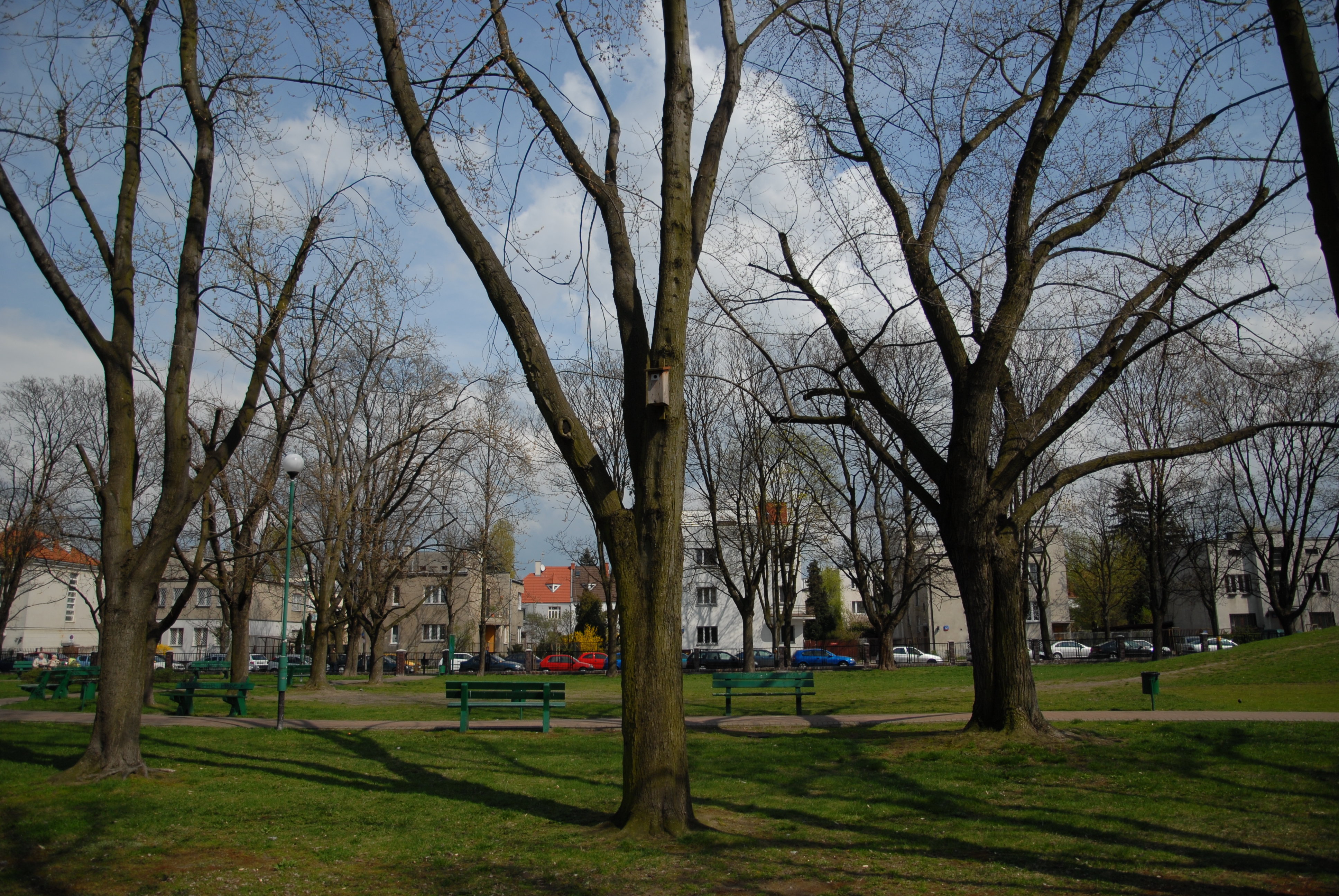
| Camera: Nikon D200 Parameters: 50 mm, f/6.3, exp. 1/2000 sec., ISO 200 File: JPG, 3872x2592 pix, 4.2 MB |
Camera: Nikon D200 Parameters: 85 mm, f/8.0, exp. 1/1500 sec., ISO 200 File: JPG, 3872x2592 pix, 4.3 MB |
Camera: Nikon D200 Parameters: 16 mm, f/3.5, exp. 1/1500 sec., ISO 100 File: JPG, 3872x2592 pix, 6.8 MB |

|

|
|
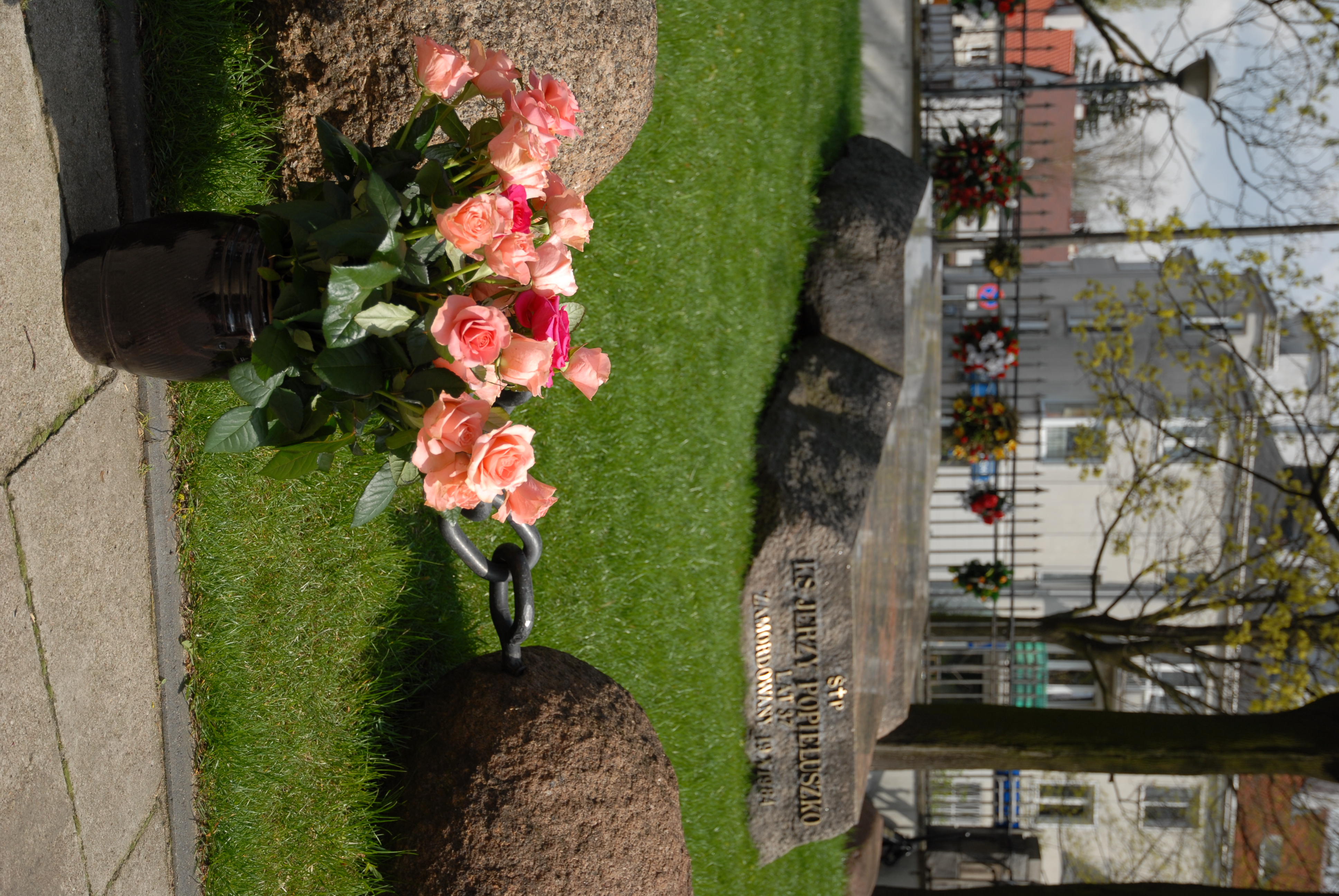
| Camera: Nikon D200 Parameters: 70 mm, f/5.6, exp. 1/640 sec., ISO 100 File: JPG, 3872x2592 pix, 4.2 MB |
Camera: Nikon D200 Parameters: 45 mm, f/4.8, exp. 1/800 sec., ISO 100 File: JPG, 3872x2592 pix, 4.2 MB |
Camera: Nikon D200 Parameters: 34 mm, f/4.5, exp. 1/500 sec., ISO 100 File: JPG, 3872x2592 pix, 5.8 MB |