Sigma 70-200 mm f/2.8 EX DG APO OS HSM
6. Distortion
|
|
Sigma 70–200 OS |
Sigma 70–200 II |
Nikkor 70–200 VRII |
Tamron 70–200 |
Canon 70–200 IS |
|
70 mm |
−0.66%
|
−0.24% |
−0.26% |
−0.46%
|
−0.39%
|
| 135 mm |
0.31% |
0.64% |
0.49% |
0.36% |
0.31% |
| 200 mm |
0.66% |
0.94% |
0.70% |
0.64% |
0.54% |
| 280 mm |
−0.18% |
0.82% |
– |
0.67% |
−0.19% |
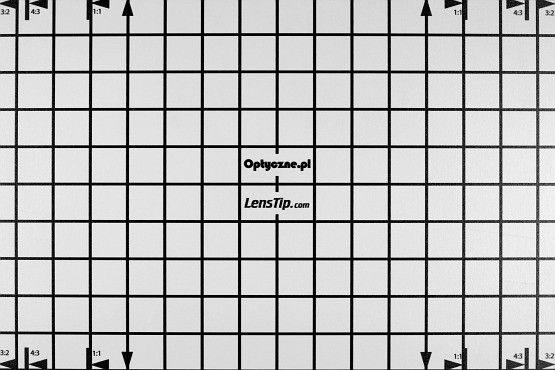
In the case of the tested lens you can also notice a slightly different approach, compared to its predecessor or the Nikkor 70-200 mm VRII, in terms of distortion correction,. The Sigma 70-200 mm OS allows higher “barrel” at 70 mm to have less problems with the “pincushion” values at longer focal lengths. The older Sigma and the Nikkor feature lower barrel distortion at 70 mm but also higher “pincushion” in the 135-200 mm range.
Please Support UsIf you enjoy our reviews and articles, and you want us to continue our work please, support our website by donating through PayPal. The funds are going to be used for paying our editorial team, renting servers, and equipping our testing studio; only that way we will be able to continue providing you interesting content for free. |
- - - - - - - - - - - - - - - - - - - - - - - - - - - - - - - - - - - - - - - - - - - - - - - -
The distortion on full frame is higher for obvious reasons. At 70 mm we had “barrel” of –1.36%; in the middle of the focal lengths range “pincushion” with the value of 0.75% which increases to 1.59% on passing to 200 mm. After attaching the 1.4x converter the distortion sign changes again and it amounts to –0.80%. It’s worth noticing that these results are a bit higher than these of the Nikkor 70-200 mm VRII tested not so long ago; at 70,135 and 200 mm it showed -0.78%, 0.85% and 1.39% respectively.
| Canon 50D, 70 mm | |||
|
|||
| Canon 50D, 135 mm | |||
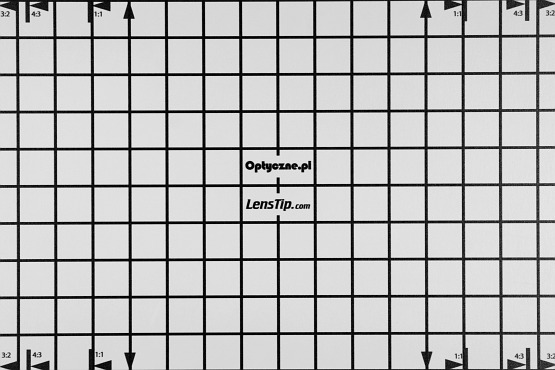
|
|||
| Canon 50D, 200 mm | |||
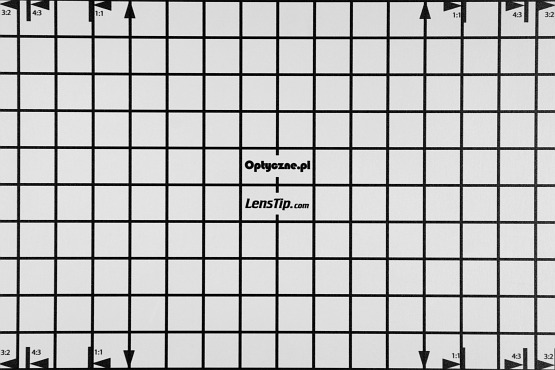
|
|||
| Canon 50D, 280 mm (TC 1.4x) | |||
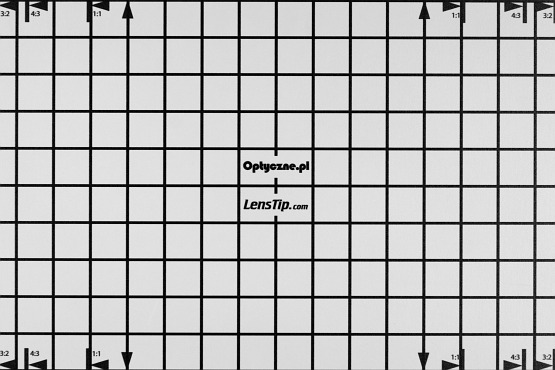
|
|||
| Canon 1Ds MkIII, 70 mm | |||
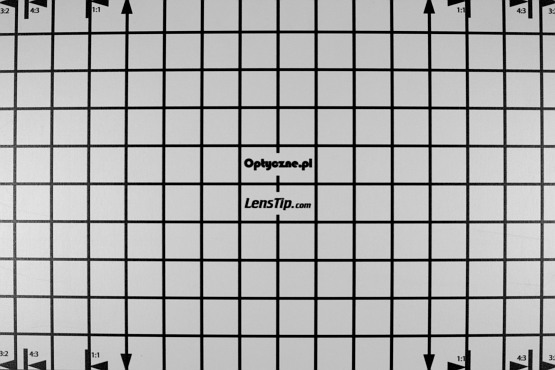
|
|||
| Canon 1Ds MkIII, 135 mm | |||
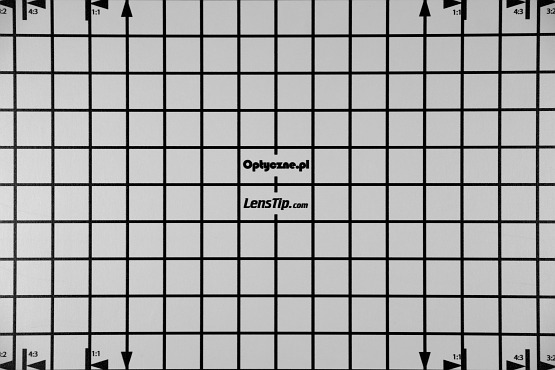
|
|||
| Canon 1Ds MkIII, 200 mm | |||
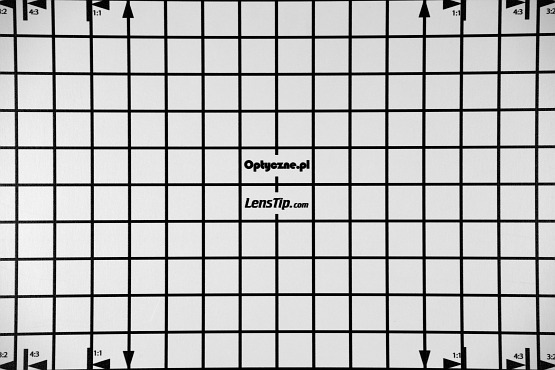
|
|||
| Canon 1Ds MkIII, 280 mm (TC 1.4x) | |||
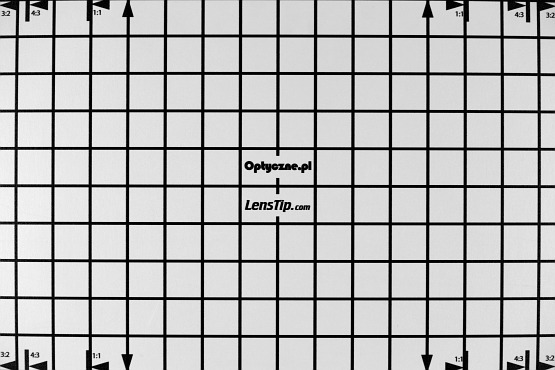
|
|||