Canon EF 70-300 mm f/4-5.6 IS USM
11. Summary
Pros:
- very good image resolution in the center of the frame
- good image quality on the edges of the frame (except for the area around the wide open aperture for 300 mm)
- well corrected chromatic aberration
- small distortion
- well corrected astigmatism
- vignetting almost completely absent
- efficient stabilization
- the image resolution for 300 mm could be better
- weak against bright light
- autofocus, which could be described with one word - disaster
In our summery it would be worth answering two questions. How does
the Canon look in comparison with a very popular Sigma 70-300 APO
because of the good relation between the quality and the price? Is it
worth paying extra for the Canona 70-200 f/4L?
Please Support UsIf you enjoy our reviews and articles, and you want us to continue our work please, support our website by donating through PayPal. The funds are going to be used for paying our editorial team, renting servers, and equipping our testing studio; only that way we will be able to continue providing you interesting content for free. |
- - - - - - - - - - - - - - - - - - - - - - - - - - - - - - - - - - - - - - - - - - - - - - - -
The answer to the first question is rather easy. Canon is better than Sigma, maybe not a whole lot but in almost every aspect. Even the unfortunate autofocus works better than Sigma's. The most convincing argument, however, should be picture stabilization which in such a light and focal length lens is obligatory. The question is whether it is worth paying an 350$ for the stabilization and slightly better optical values?
The answer to the second question is a bit more complicated. The price difference between the two Canons is 30$. The Canon 70-300 mm IS has a bigger focal length range and picture stabilization but on the other hand the L-grade lens has better sharpness with a wide open aperture, as well as having a sturdy body. Another point for the 70-300 IS is that with a body in the 20/30D class it is possible to carry this for a pretty long walk. It is much more difficult with the L-grade lens.
Truly saying I was faced with such a decision. I made my choice and so far so good. I don't want to suggest anything so I won't say which one I chose. I'm sure many people already know.
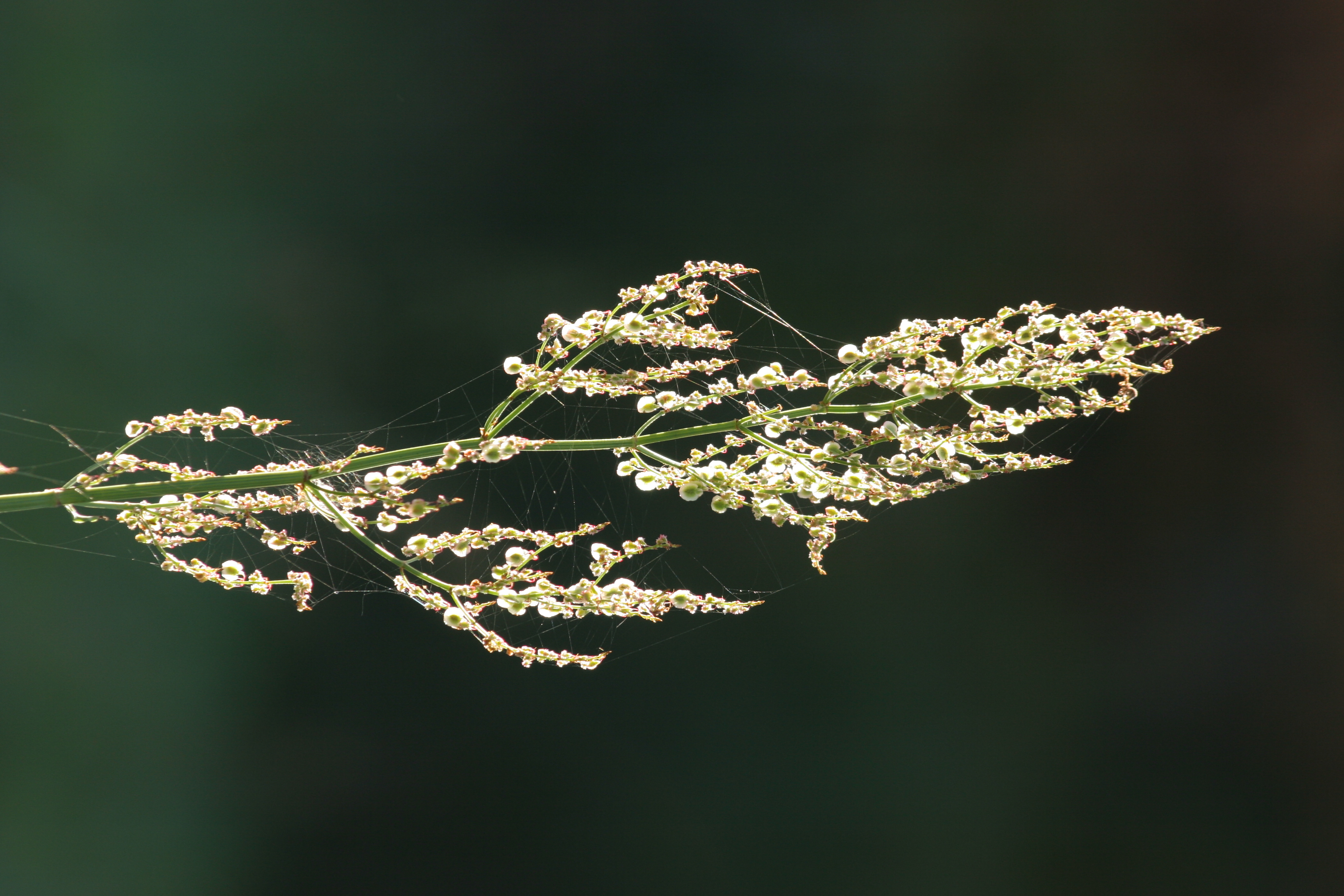
Sample shots:
|
|
|
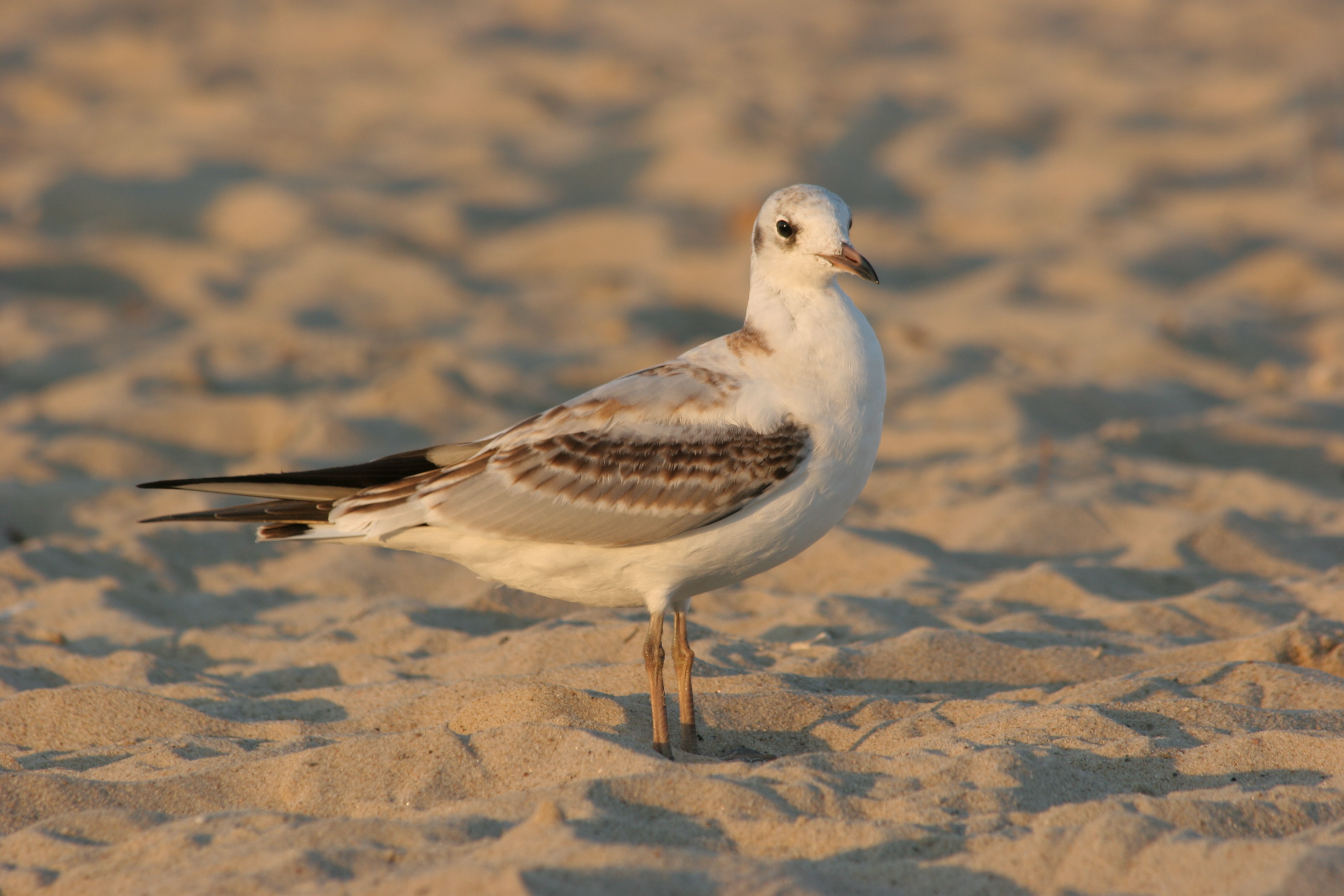
| Camera: Canon 20D Parameters: 190 mm, f/7.1, exp. 1/160 sec, ISO 200 File: JPG, 3504x2336 pix, 2.5 MB |
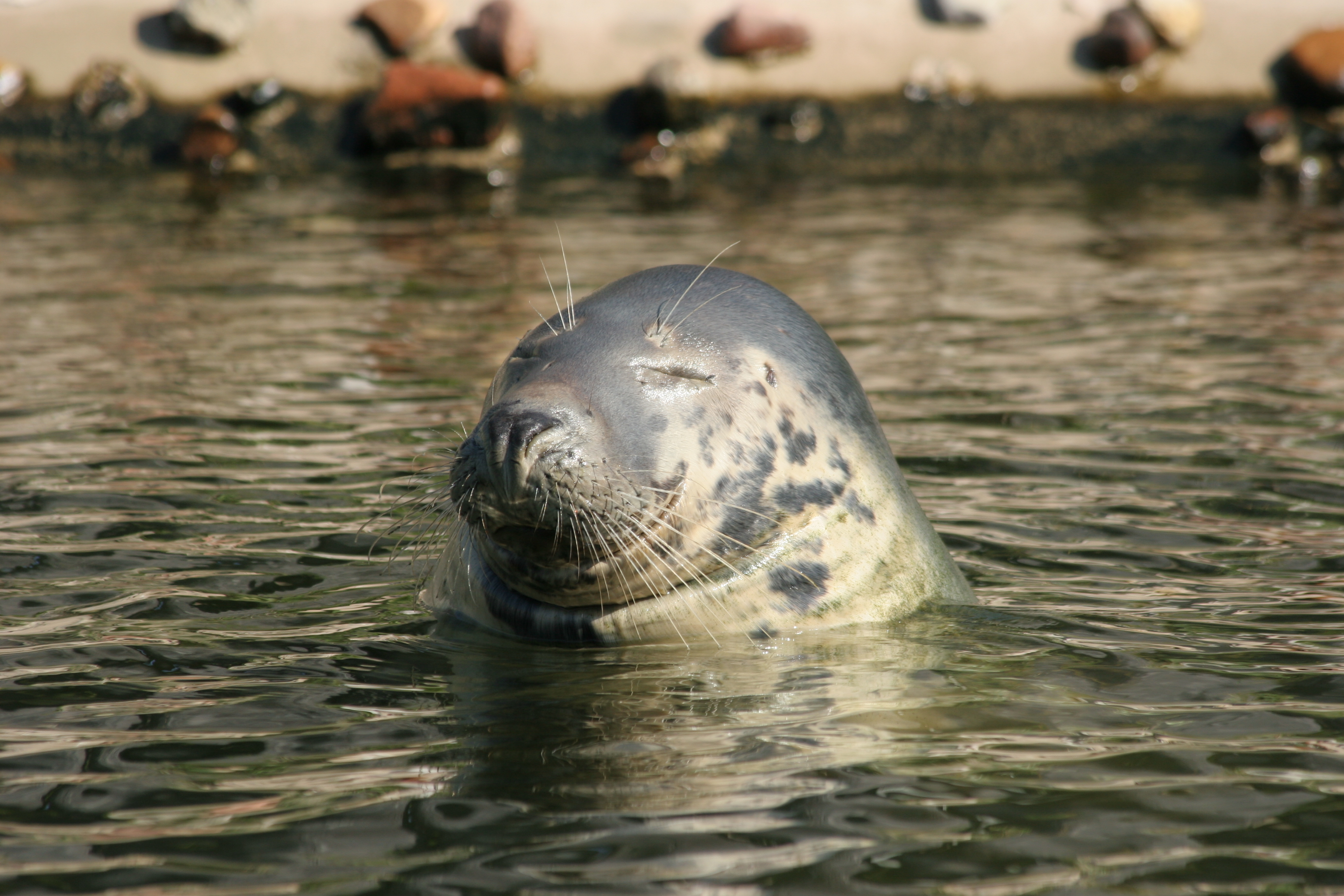
Camera: Canon 20D Parameters: 300 mm, f/8.0, exp. 1/200 sec, ISO 200 File: JPG, 3504x2336 pix, 2.3 MB |
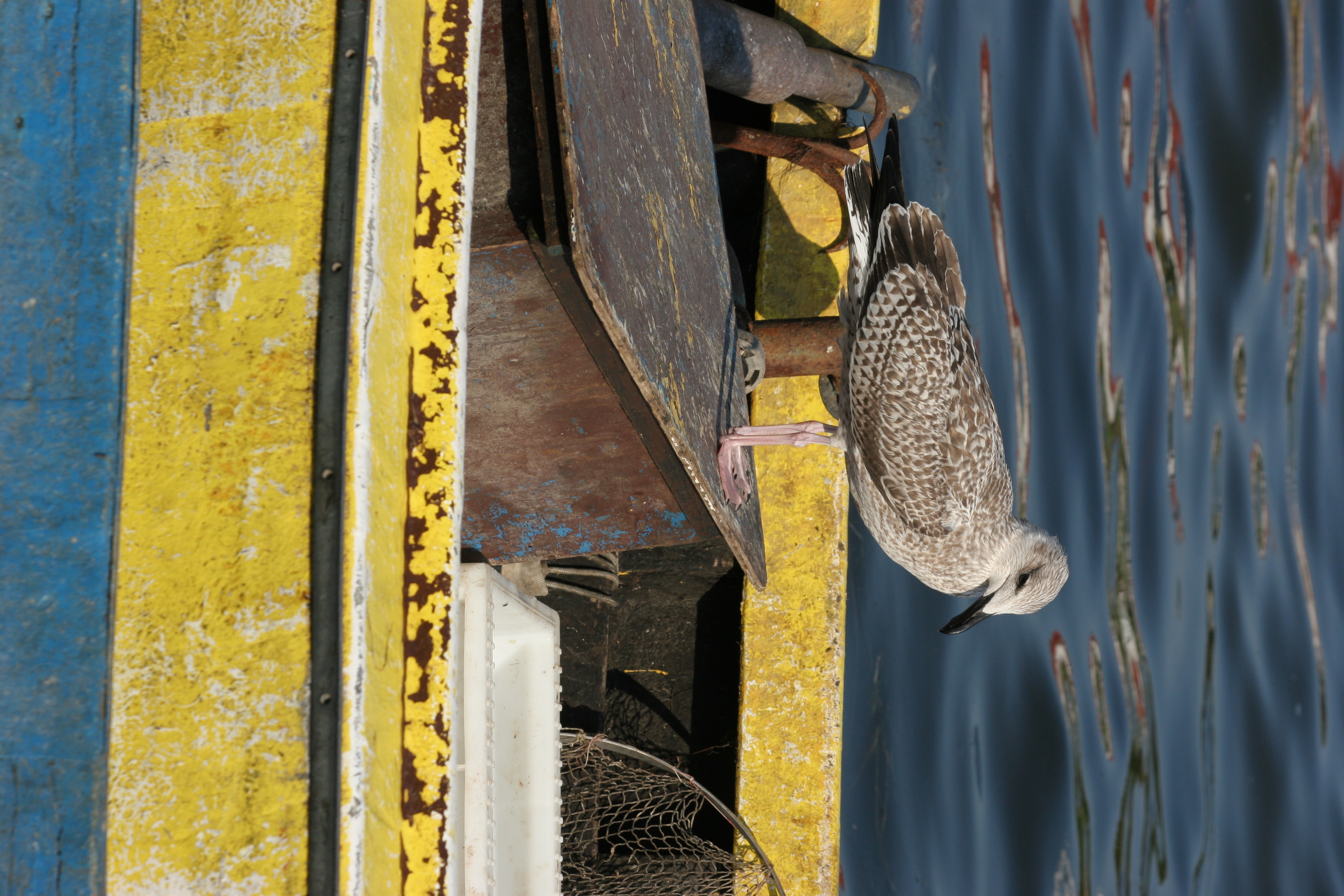
Camera: Canon 20D Parameters: 300 mm, f/7.1, exp. 1/400 sec, ISO 200 File: JPG, 3504x2336 pix, 2.6 MB |
|
|
|
|
Camera:
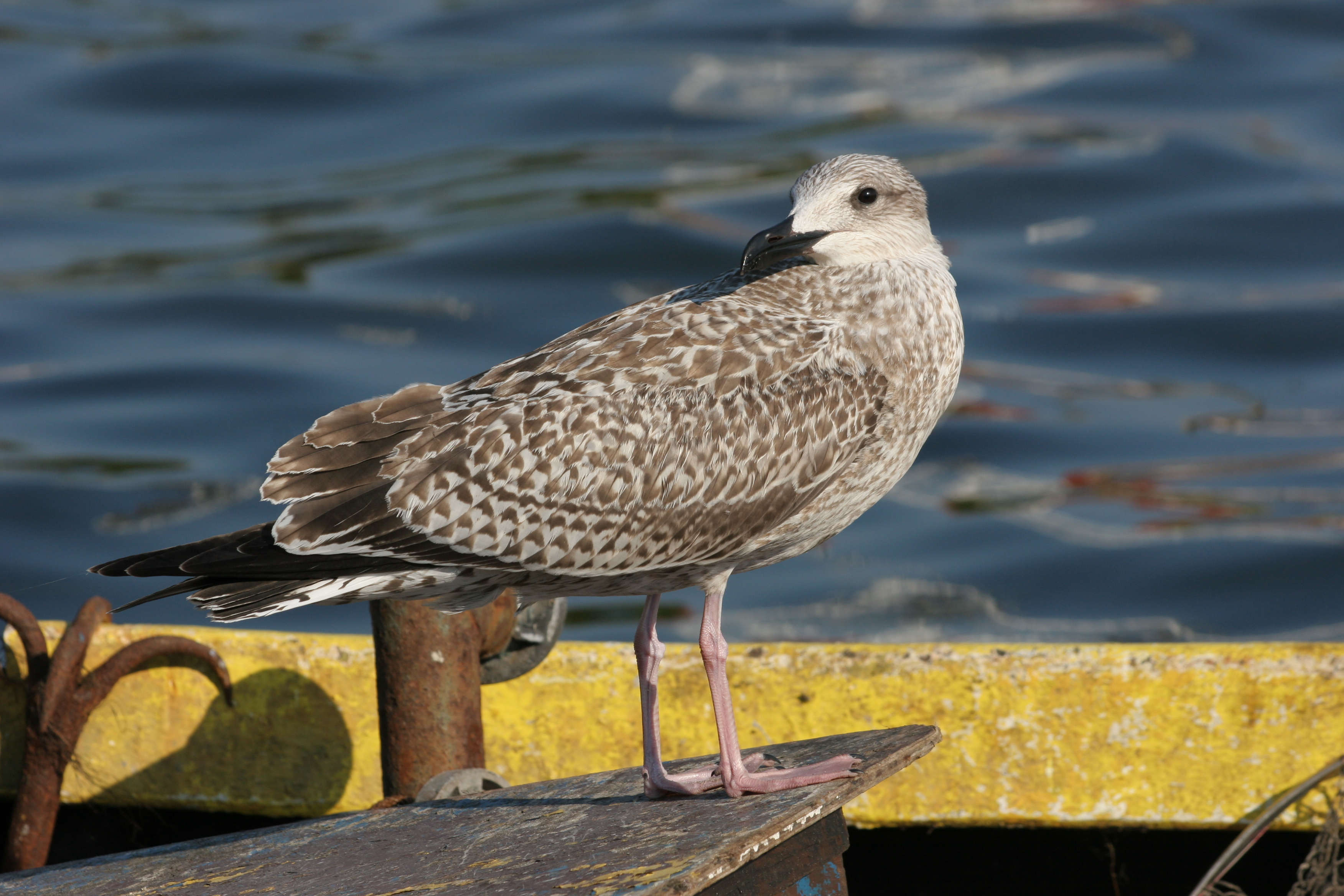
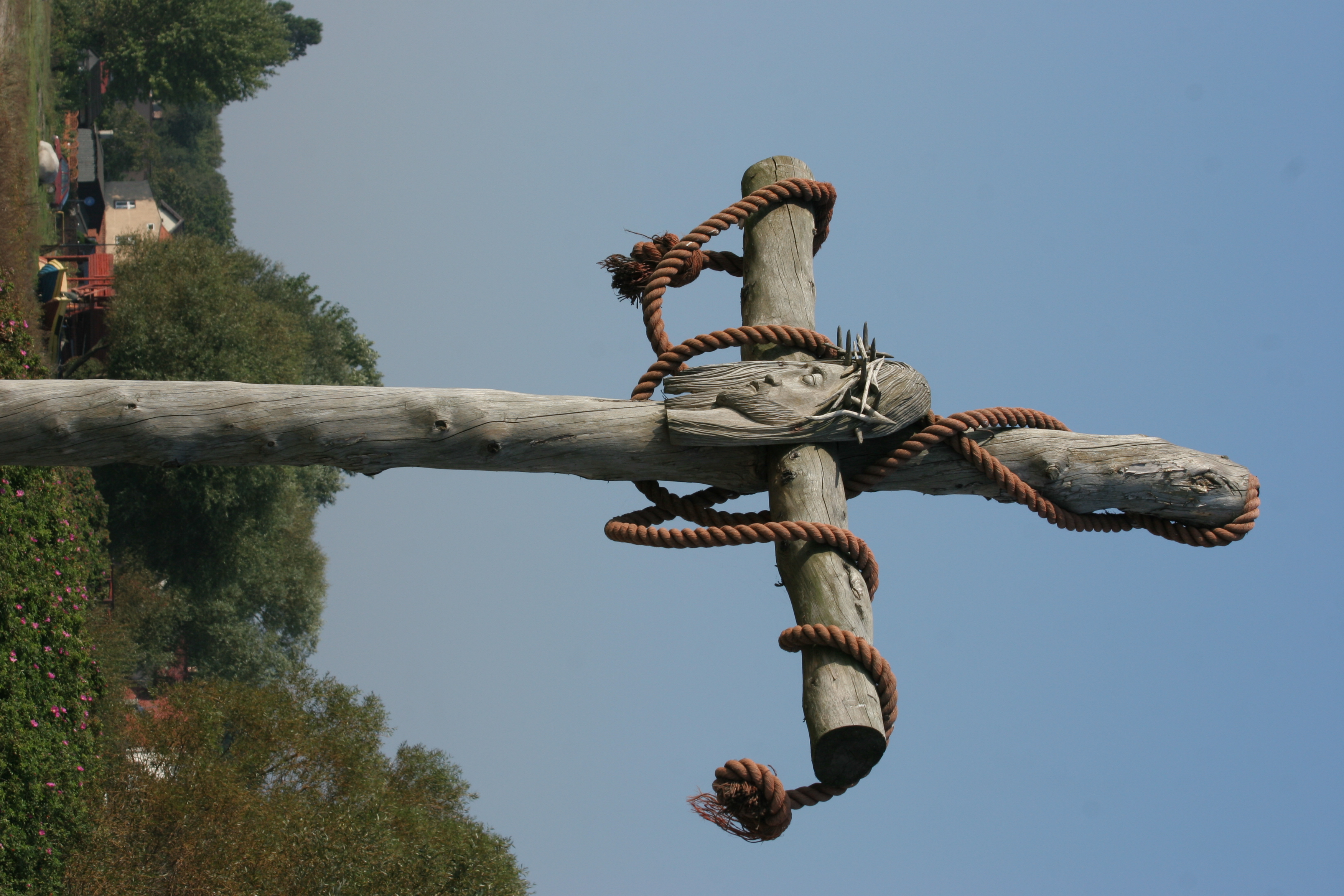
Canon 20D Parameters: 130 mm, f/9.0, exp. 1/500 sec, ISO 200 File: JPG, 3504x2336 pix, 3.1 MB |
Camera:
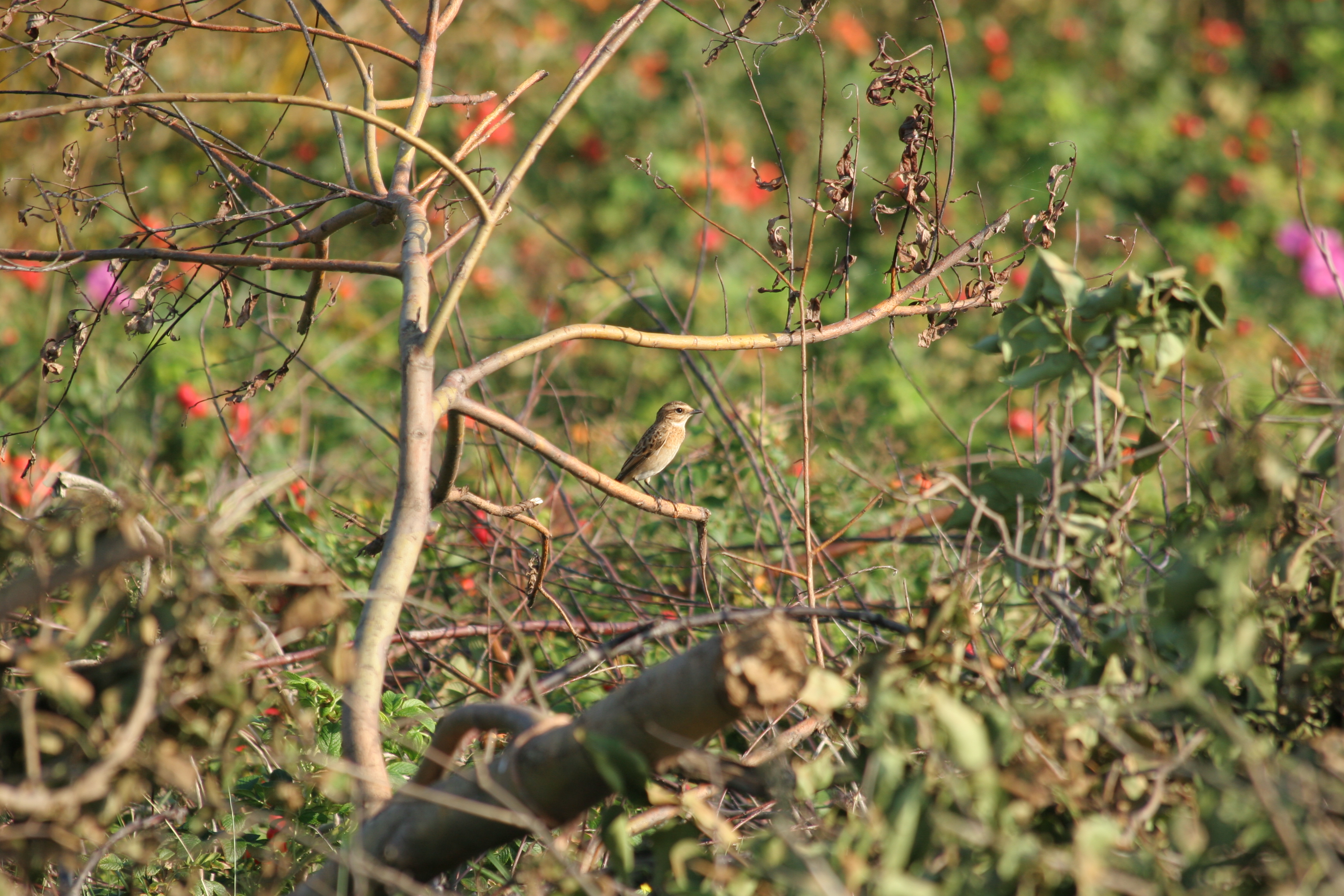
Canon 20D Parameters: 150 mm, f/9.0, exp. 1/640 sec, ISO 200 File: JPG, 3504x2336 pix, 2.7 MB |
Camera:
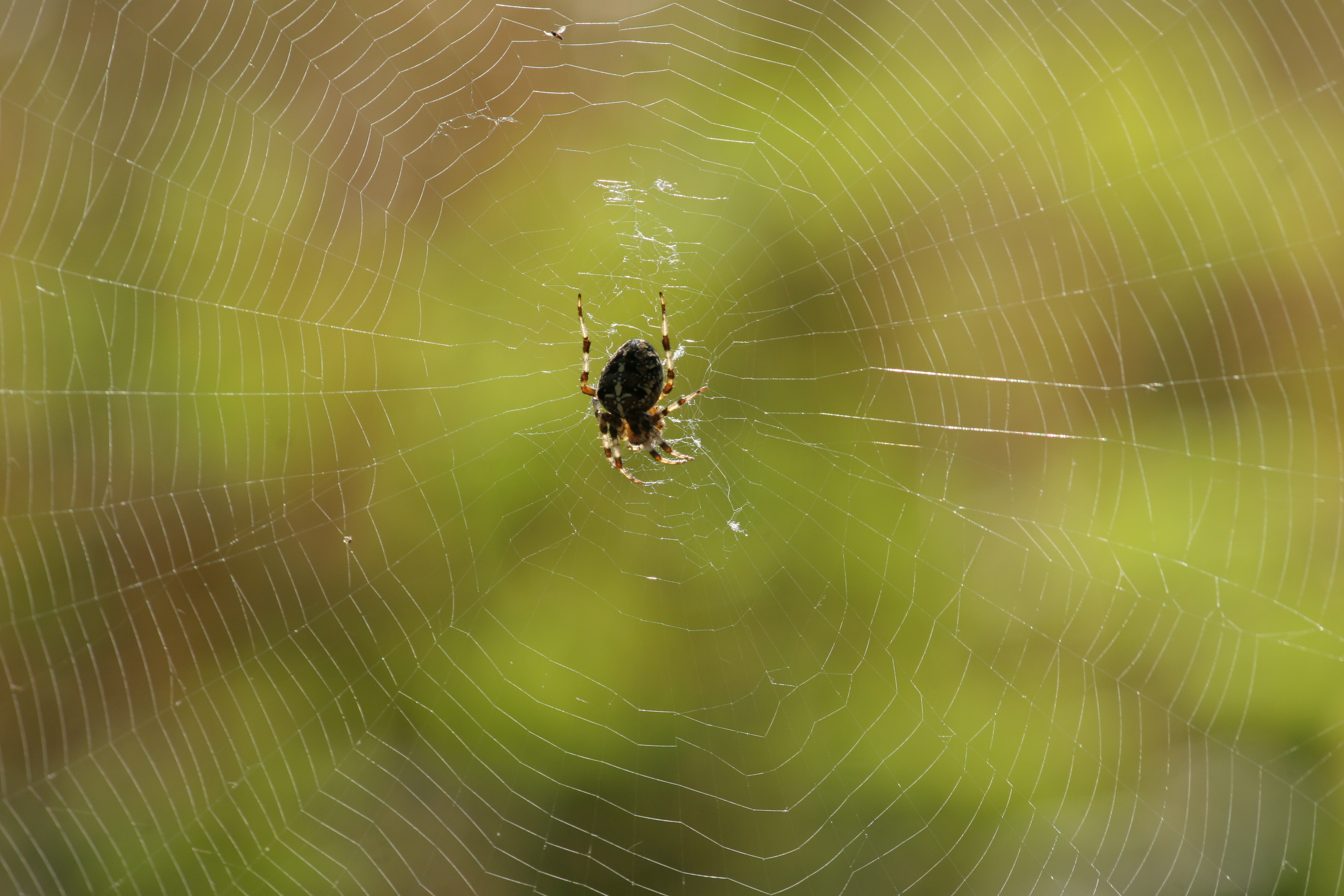
Canon 20D Parameters: 70 mm, f/10.0, exp. 1/500 sec, ISO 200 File: JPG, 3504x2336 pix, 2.6 MB |
|
|
|
|
Camera:
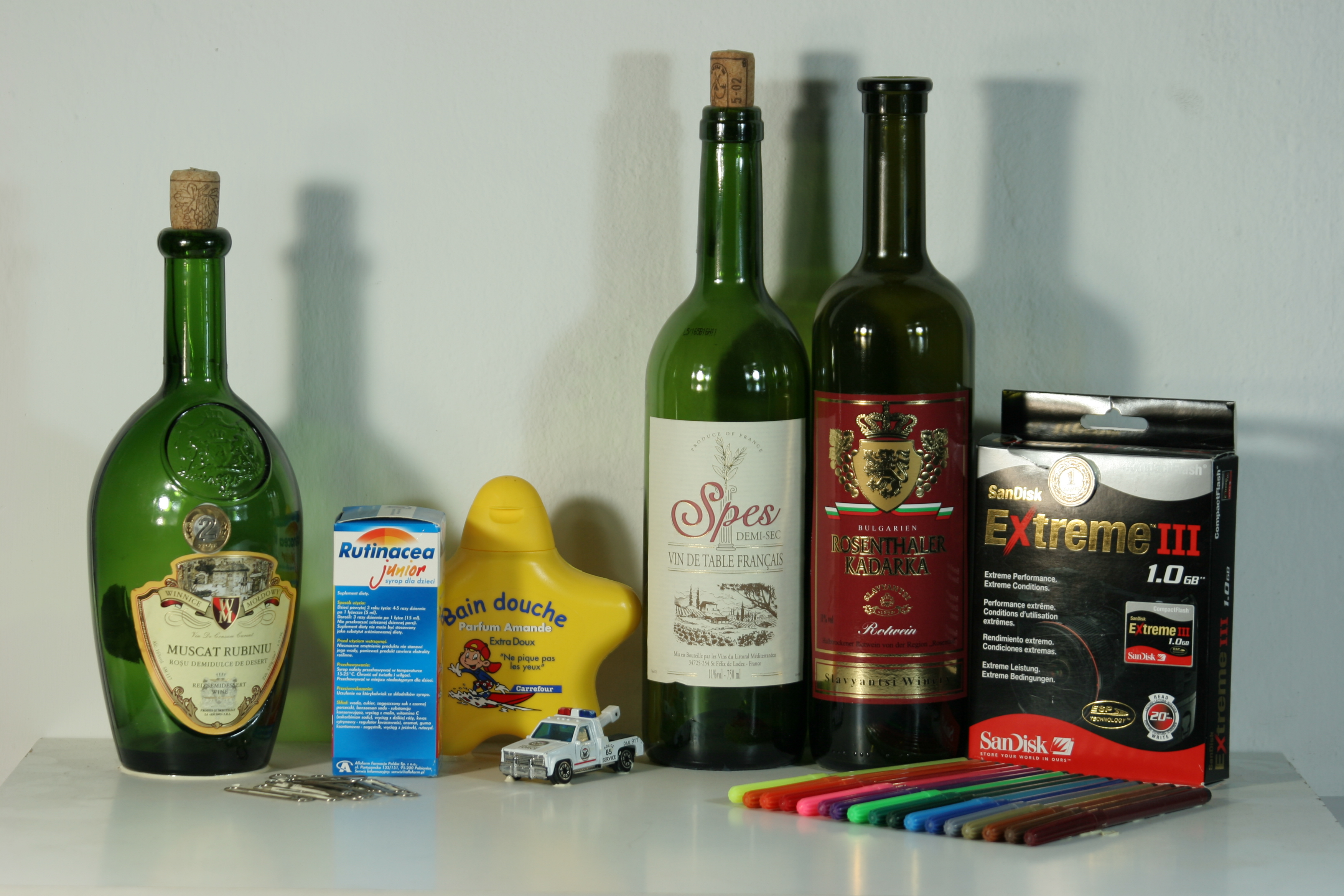
Canon 20D Parameters: 300 mm, f/6.3, exp. 1/400 sec, ISO 200 File: JPG, 3504x2336 pix, 3.1 MB |
Camera:
Canon 20D Parameters: 200 mm, f/7.1, exp. 1/400 sec, ISO 200 File: JPG, 3504x2336 pix, 2.5 MB |
Camera:
Canon 20D Parameters: 100 mm, f/5.0, exp. 1/100 sec, ISO 100 File: JPG, 3504x2336 pix, 2.2 MB |
|
|
|
|
Camera:
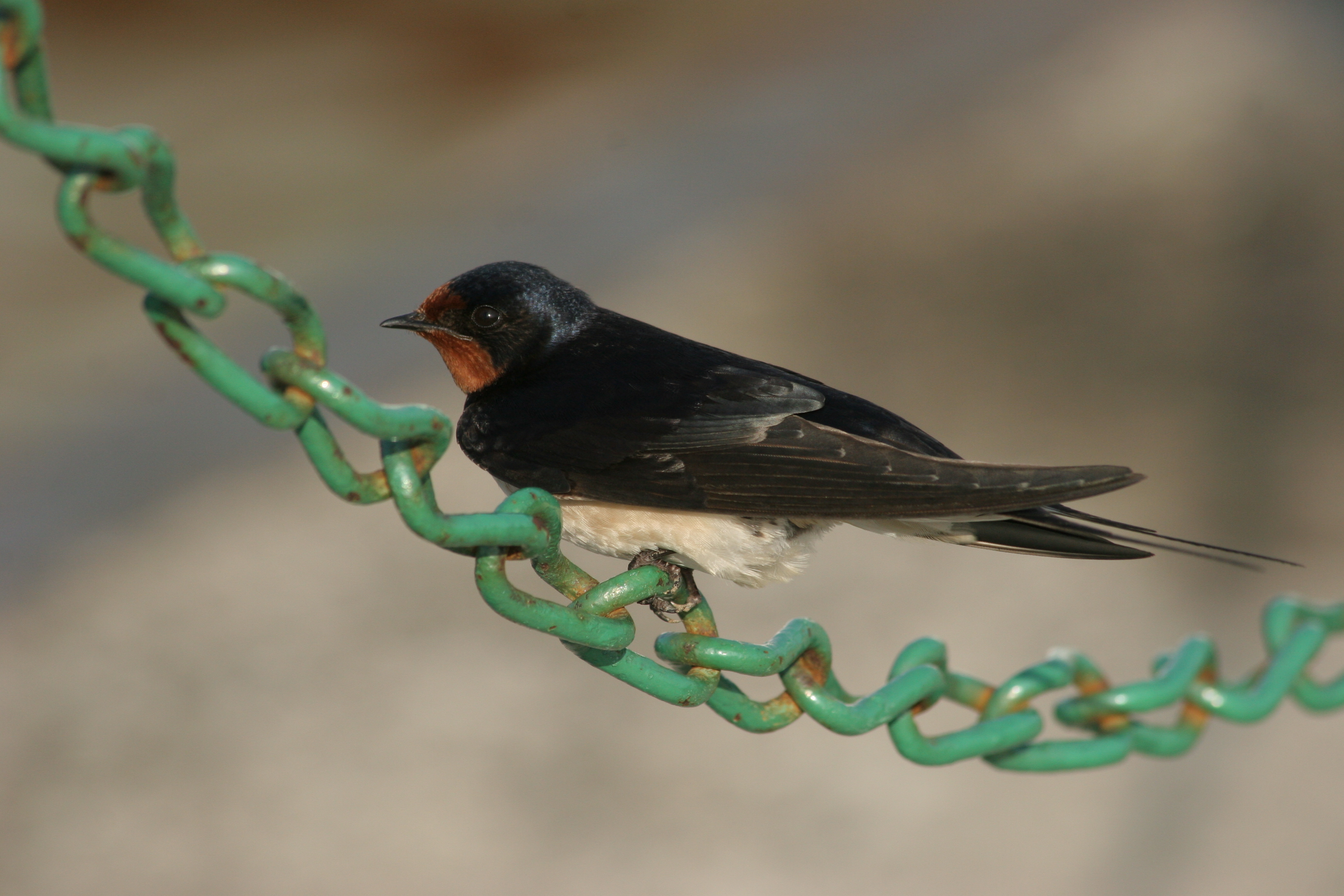
Canon 20D Parameters: 300 mm, f/8.0, exp. 1/1000 sec, ISO 400 File: JPG, 3504x2336 pix, 2.5 MB |
Camera:
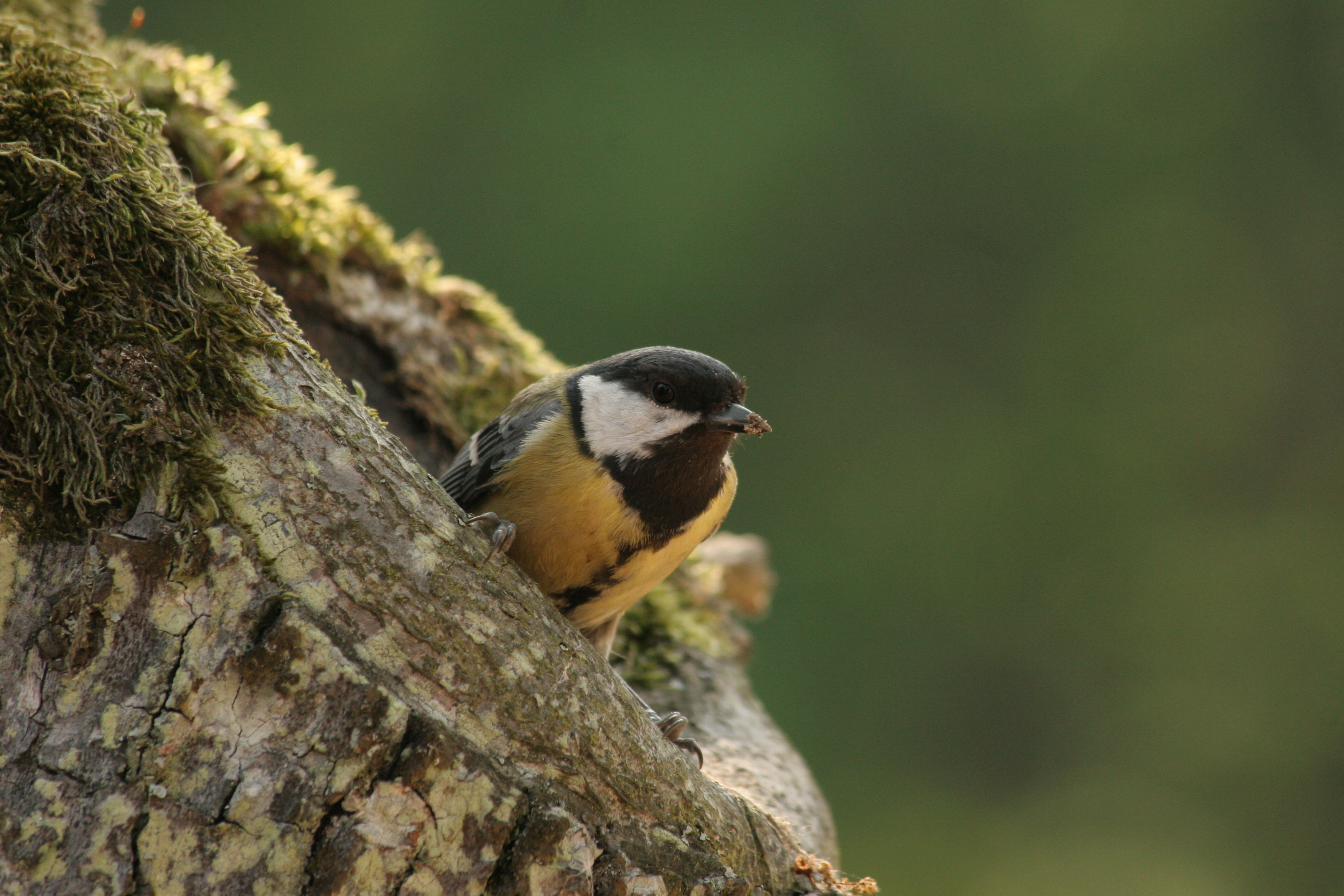
Canon 20D Parameters: 300 mm, f/8.0, exp. 1/400 sec, ISO 800 File: JPG, 3504x2336 pix, 3.3 MB |
Camera:
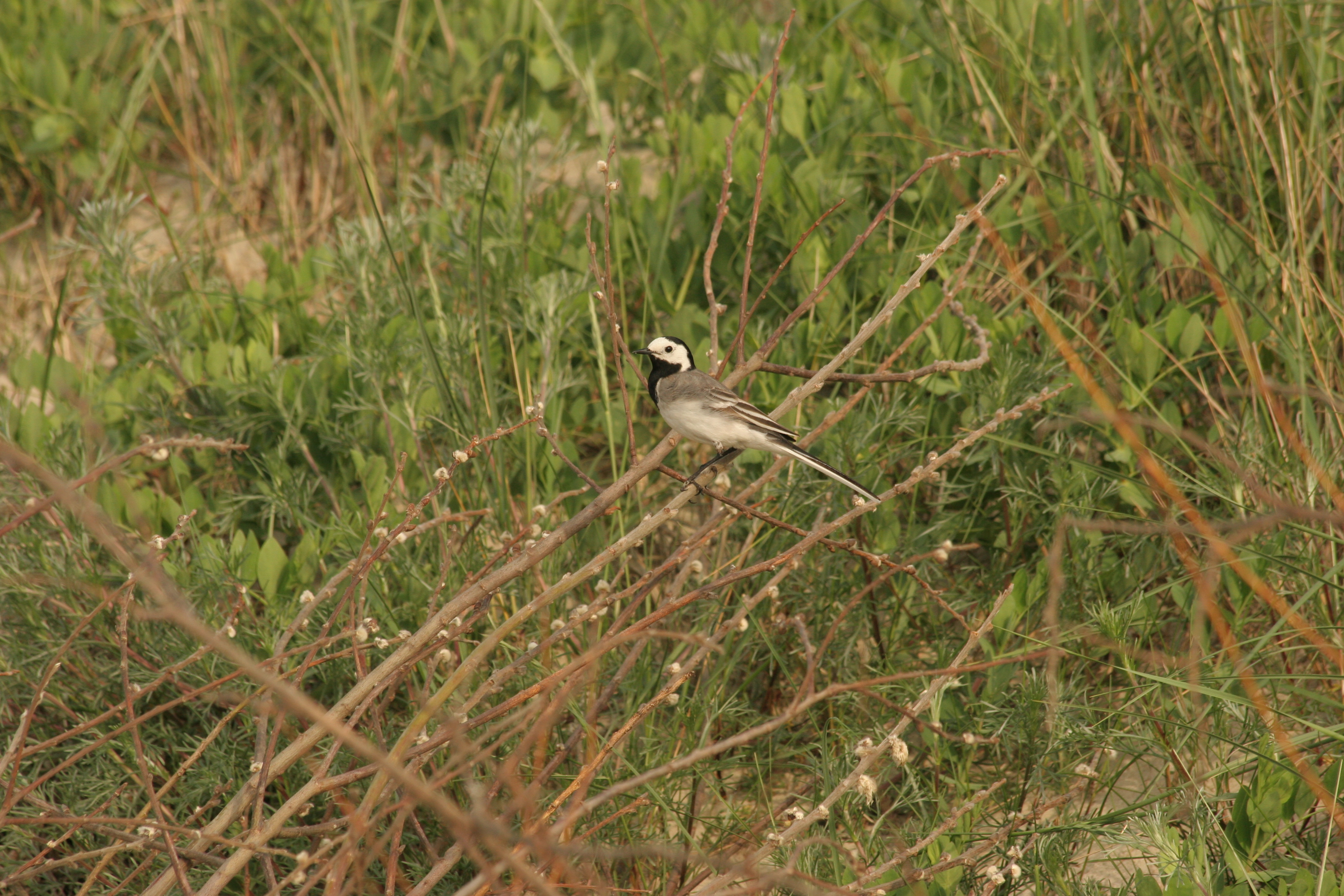
Canon 20D Parameters: 300 mm, f/9.0, exp. 1/500 sec, ISO 400 File: JPG, 3504x2336 pix, 3.5 MB |