Canon EF 16-35 mm f/2.8L II USM
11. Summary
- solid, sealed barrel,
- excellent image quality in the frame centre,
- chromatic aberration sensibly controlled,
- only slight distortion, taking into account the focal lengths range,
- low astigmatism,
- low vignetting level,
- very quick, silent and accurate autofocus,
- lens hood and a case included.
Cons:
- unacceptable image quality at frame edge in the aperture range from f/2.8-4.0,
- average work against bright light,
- bad price/quality ratio.
Of course the easiest way to explain the results of our test is an assumption that we somehow got a faulty copy of the lens. It is quite often repeated in commentaries, especially when we find a fault in more expensive lenses. Apparently for many people it is difficult to admit that they’ve spent a lot of money on a faulty device. Besides, in the small community of amateur photographers, acknowledging that somebody’s equipment has a fault is tantamount to admitting a personal failure. How come? I bought a camera/a lens with a fault? How could it be possible? Very unlikely! The tests must be wrong somehow or they tested a faulty copy…
Please Support UsIf you enjoy our reviews and articles, and you want us to continue our work please, support our website by donating through PayPal. The funds are going to be used for paying our editorial team, renting servers, and equipping our testing studio; only that way we will be able to continue providing you interesting content for free. |
- - - - - - - - - - - - - - - - - - - - - - - - - - - - - - - - - - - - - - - - - - - - - - - -
If we really got hold of a worse-than- average copy of a lens, though, this fact would put Canon in a bad light anyway. I don’t buy a 5000 PLN lens in order to go through different copies looking for a good one, like at a market stall…
On the one hand you can complain about the Canon – spending such a hefty sum of money you certainly wish to have a lens with possibly the smallest number of faults or totally faultless. It is possible, after all, to manufacture good lenses and it was proven by Nikon - they managed to produce a more difficult 14-24 mm f/2.8 model which presented itself better in the tests. On the other hand, the 16-35 mm focal lengths range does seem to be more universal than the 14-24 mm, either on full frame or on an APS-H. Besides, comparing the weight and the dimensions of both lenses the Canon has an advantage. We must add that it is really difficult to find a good alternative for the Canon (unless we speak of the change of the system). A Sigma 17-35mm fares worse at the maximum aperture and is less fast – its production has ended by the way. A Tamron 17-35 mm, still present on the market, is also less fast, has a worse barrel build quality, weaker frame edge performance and an autofocus not meeting journalistic standards. Certainly there’s a gap to be filled. Will anybody take up the challenge?
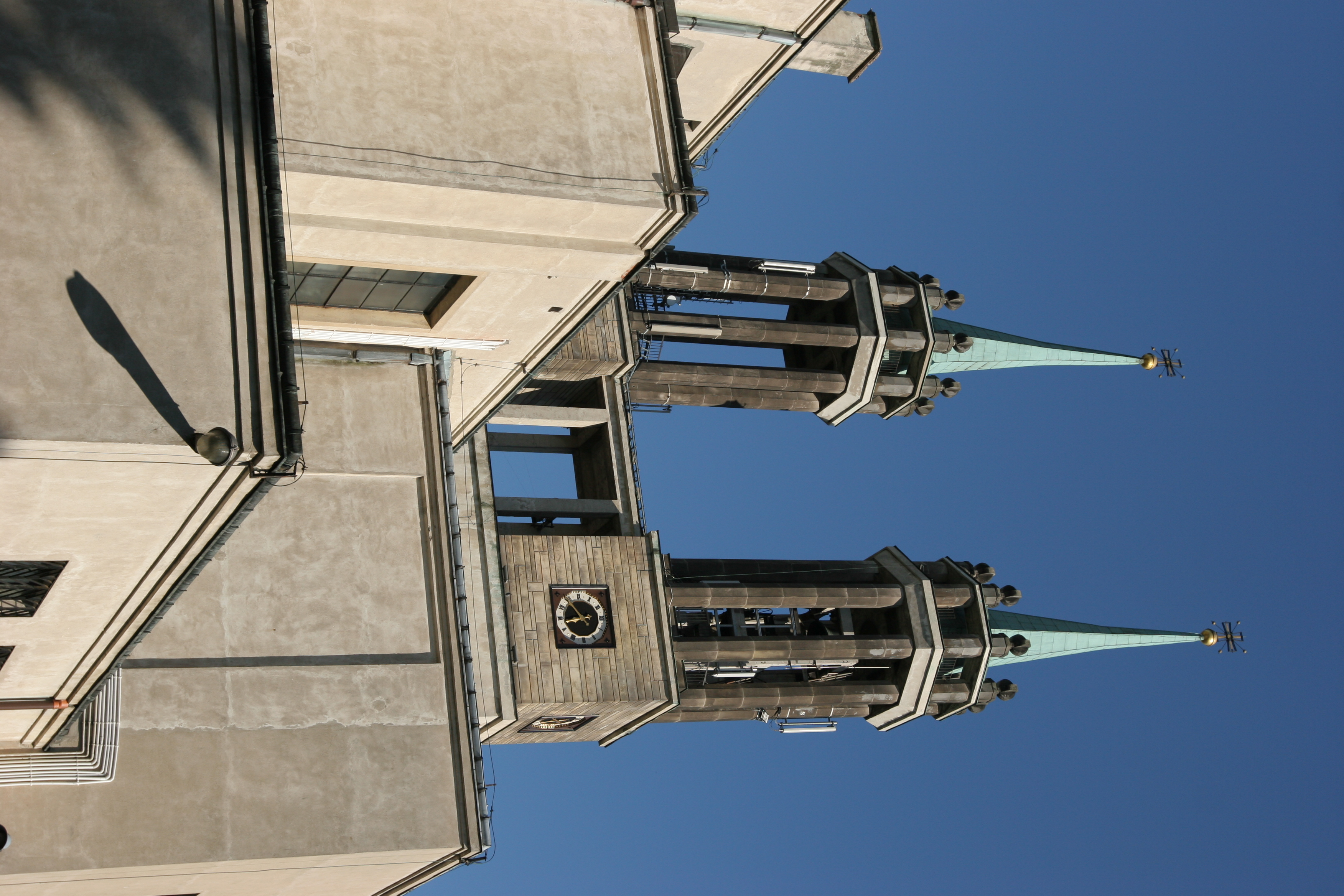
Sample shots:

|

|
|
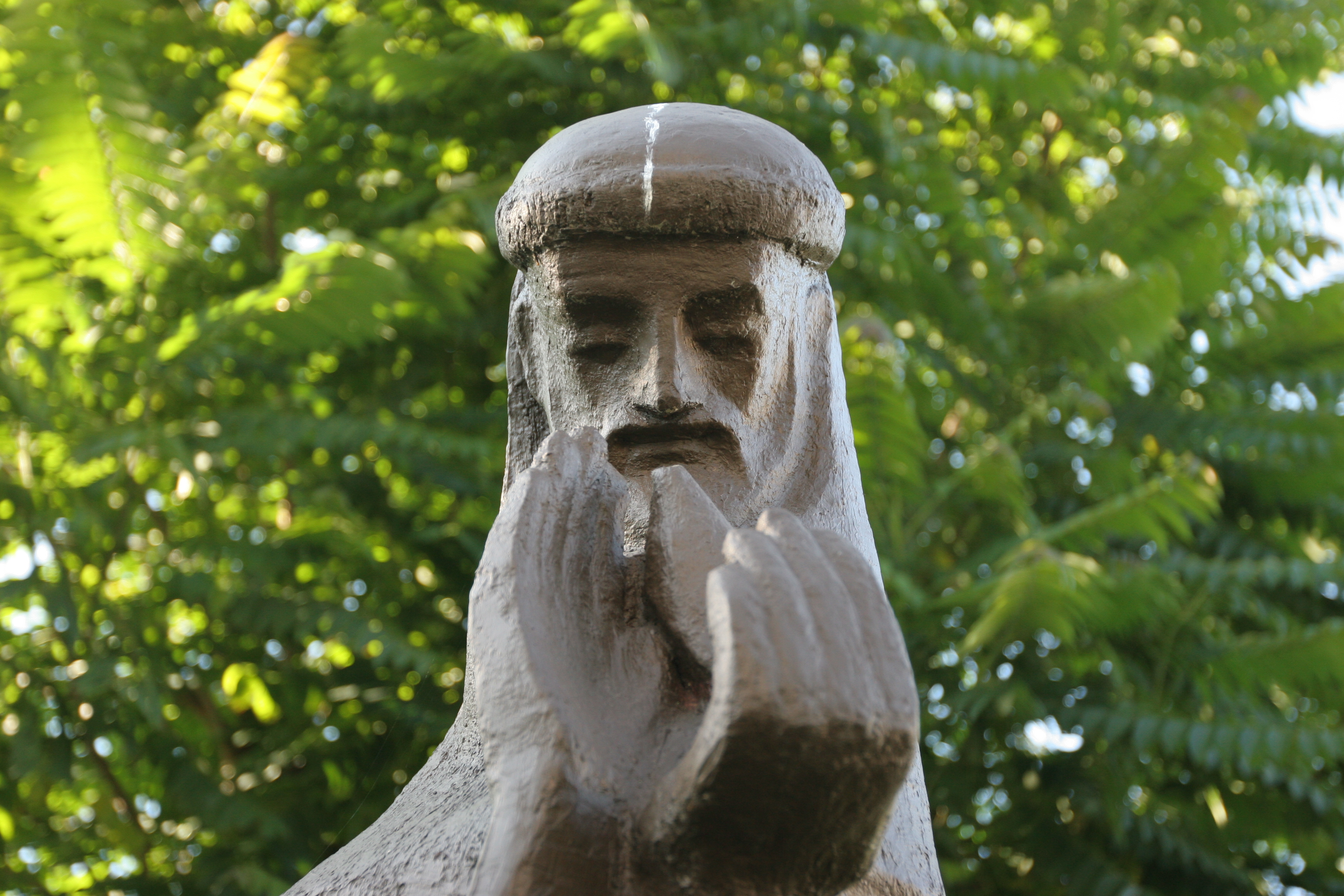
| Camera: Canon 20D Parameters: 16 mm, f/2.8, exp. 1/6400 sec., ISO 200 File: JPG, 3504x2336 pix, 2.7 MB |
Camera: Canon 20D Parameters: 25 mm, f/2.8, exp. 1/6400 sec., ISO 200 File: JPG, 3504x2336 pix, 2.6 MB |
Camera: Canon 20D Parameters: 34 mm, f/5.6, exp. 1/1250 sec., ISO 200 File: JPG, 3504x2336 pix, 2.8 MB |
|
|
|
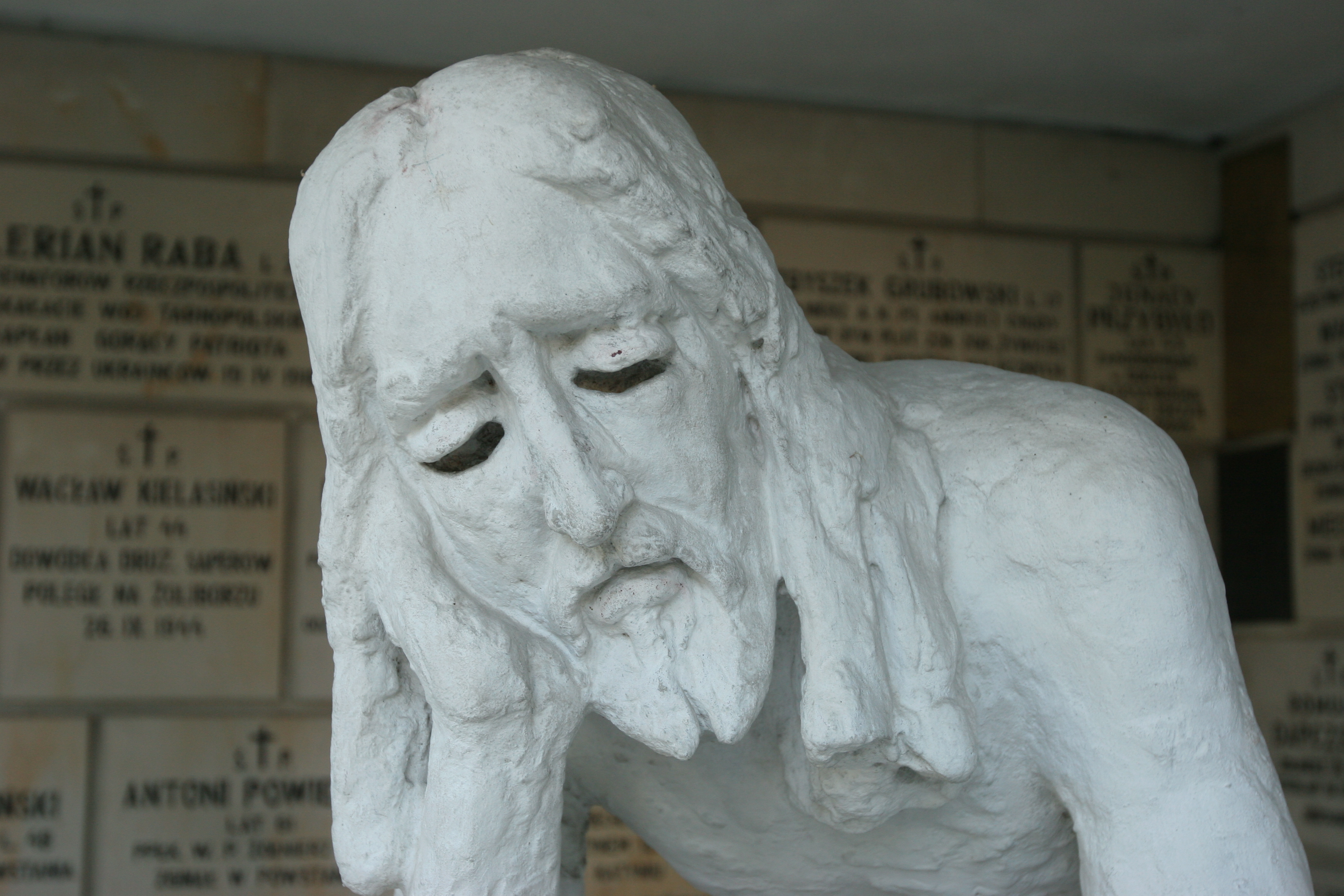
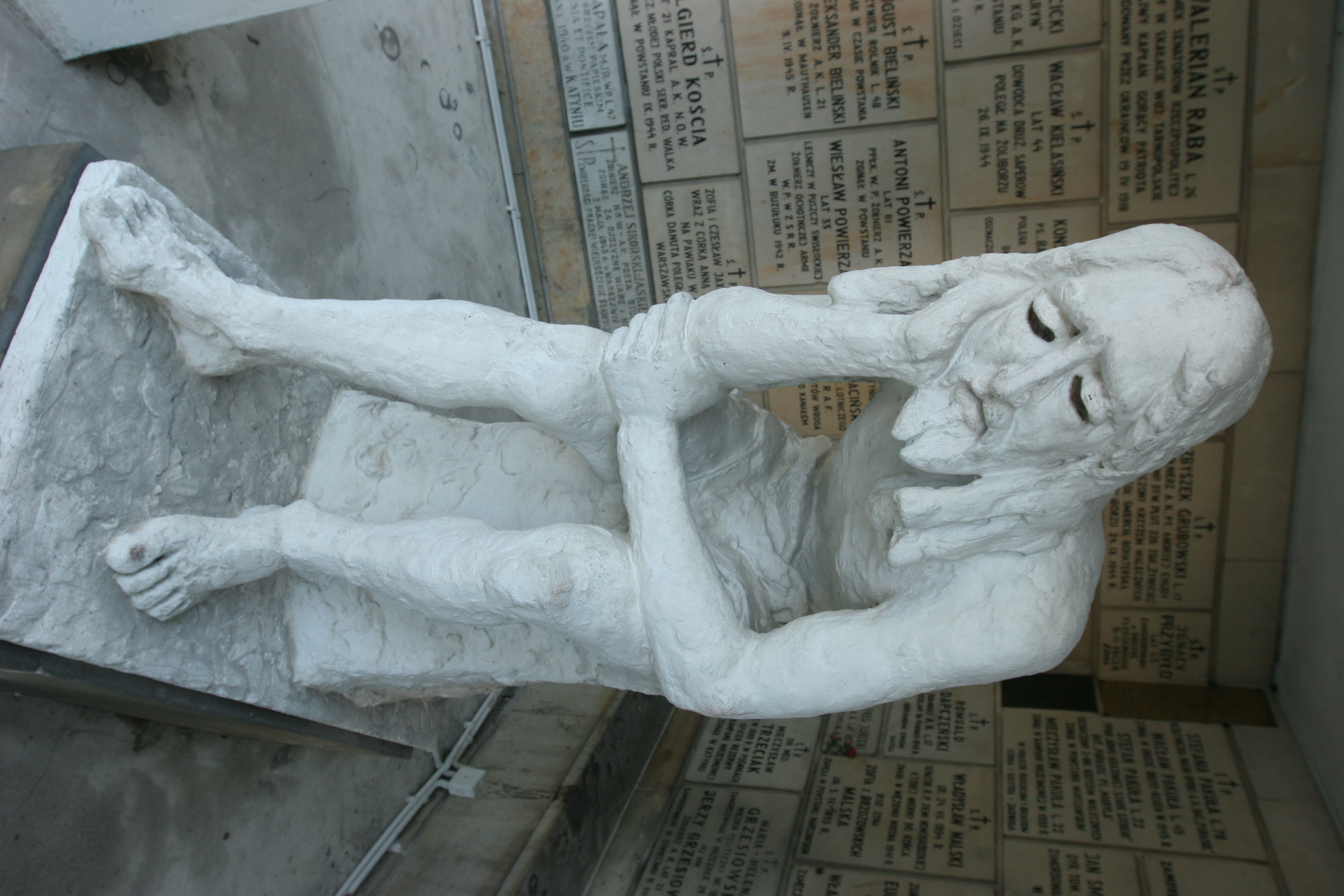
| Camera: Canon 20D Parameters: 35 mm, f/2.8, exp. 1/320 sec., ISO 400 File: JPG, 3504x2336 pix, 3.1 MB |
Camera: Canon 20D Parameters: 34 mm, f/4.0, exp. 1/160 sec., ISO 400 File: JPG, 3504x2336 pix, 2.8 MB |
Camera: Canon 20D Parameters: 16 mm, f/5.0, exp. 1/100 sec., ISO 400 File: JPG, 3504x2336 pix, 2.7 MB |

|
|
|
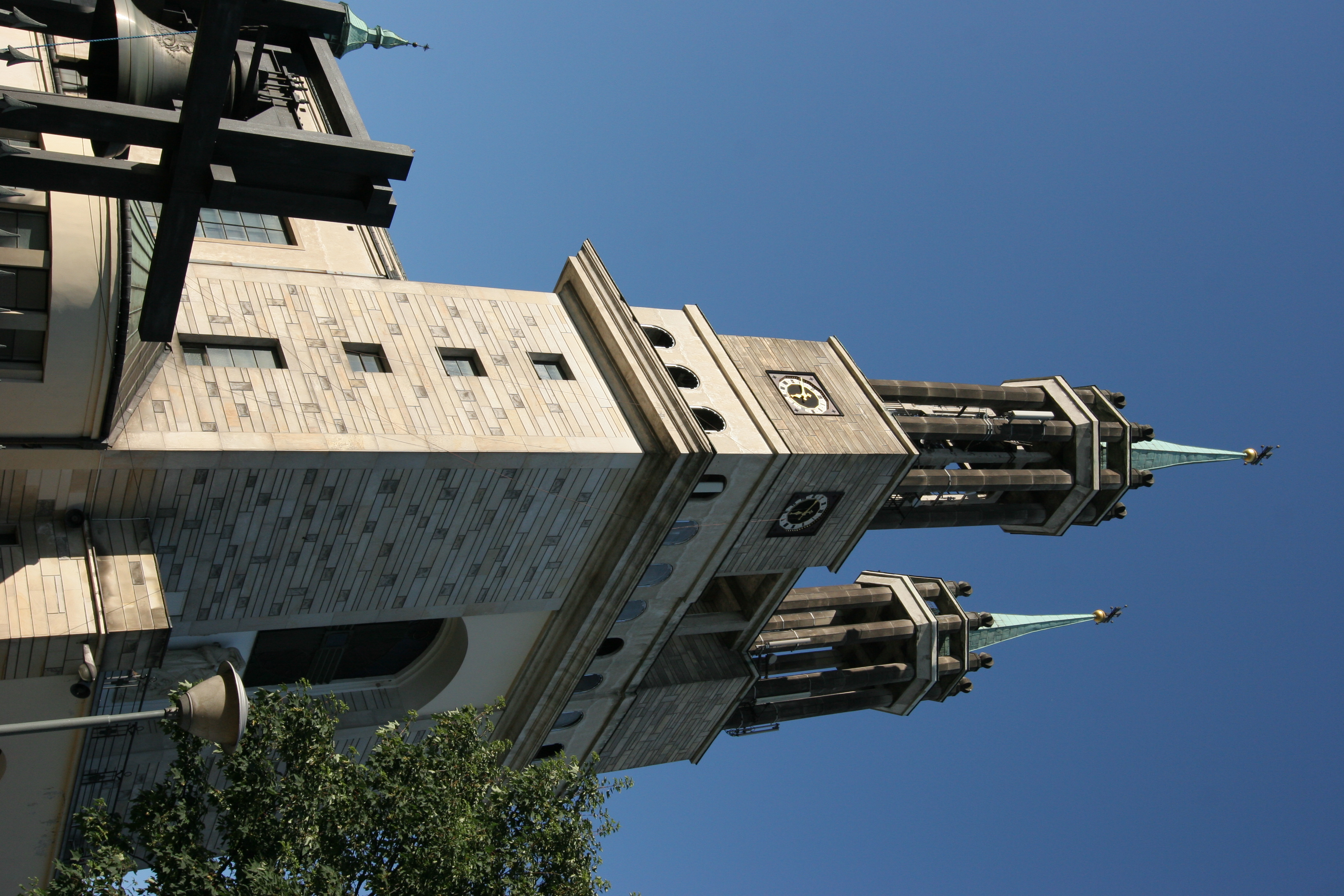
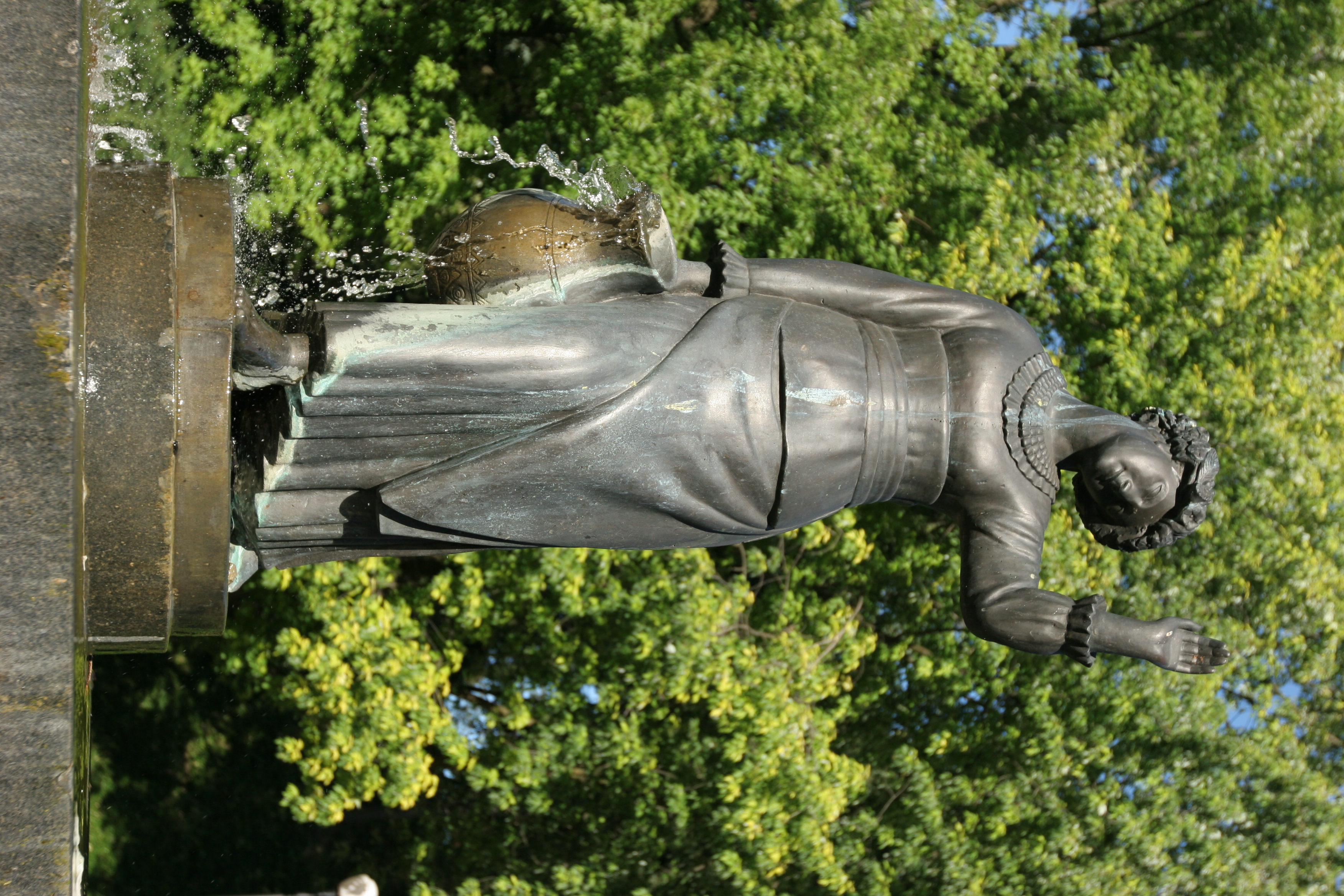
| Camera: Canon 20D Parameters: 25 mm, f/4.0, exp. 1/50 sec., ISO 400 File: JPG, 3504x2336 pix, 3.0 MB |
Camera: Canon 20D Parameters: 22 mm, f/8.0, exp. 1/1000 sec., ISO 400 File: JPG, 3504x2336 pix, 3.2 MB |
Camera: Canon 20D Parameters: 35 mm, f/4.5, exp. 1/800 sec., ISO 200 File: JPG, 3504x2336 pix, 3.6 MB |

|
|

|
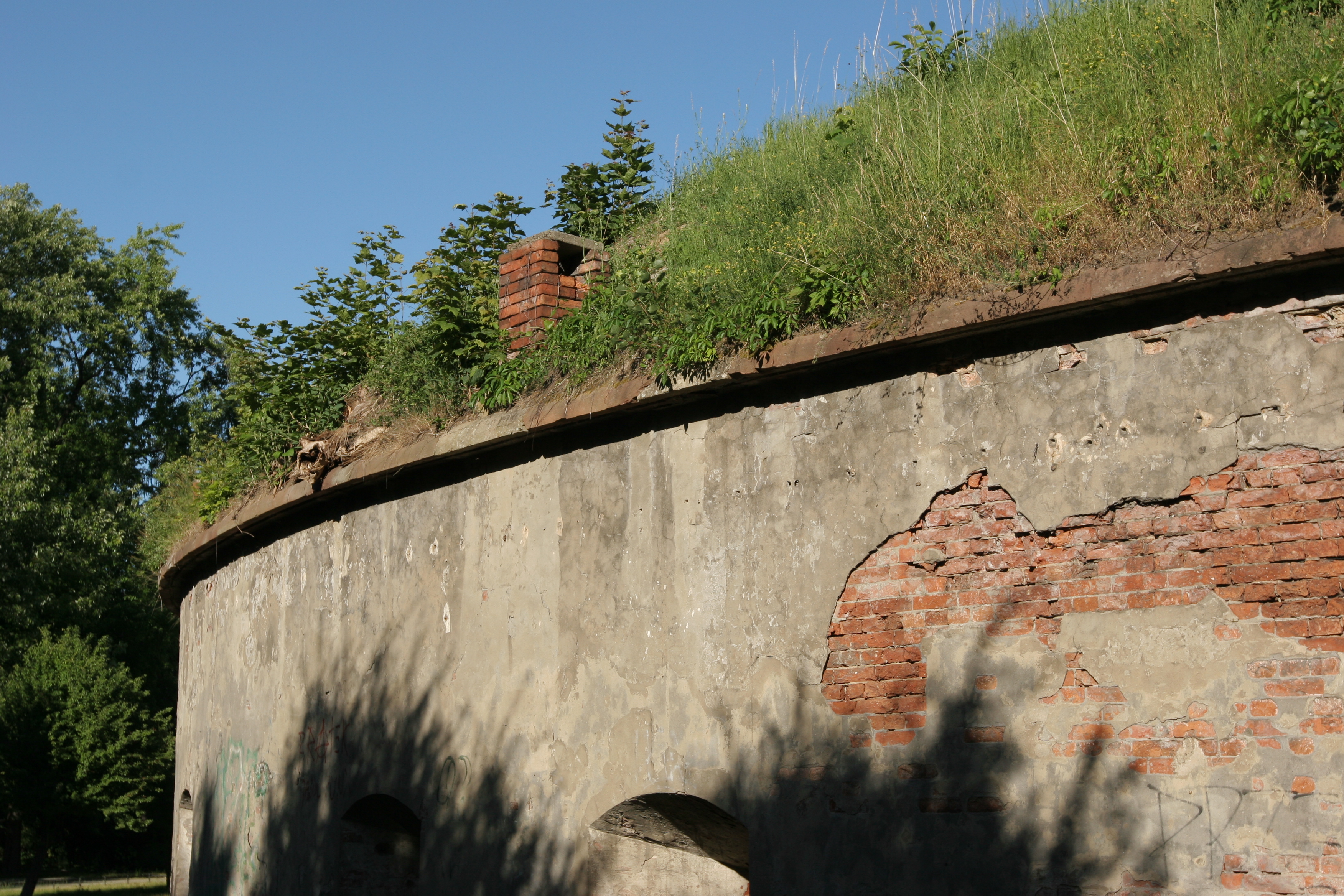
| Camera: Canon 20D Parameters: 16 mm, f/4.5, exp. 1/500 sec., ISO 200 File: JPG, 3504x2336 pix, 3.7 MB |
Camera: Canon 20D Parameters: 35 mm, f/7.1, exp. 1/800 sec., ISO 200 File: JPG, 3504x2336 pix, 4.1 MB |
Camera: Canon 20D Parameters: 35 mm, f/8.0, exp. 1/250 sec., ISO 100 File: JPG, 3504x2336 pix, 2.4 MB |

|

|

|
| Camera: Canon 1D MkIII Parameters: 16 mm, f/4.0, exp. 1/125 sec., ISO 200 File: JPG, 3888x2592 pix, 3.3 MB |
Camera: Canon 1D MkIII Parameters: 35 mm, f/8.0, exp. 1/250 sec., ISO 100 File: JPG, 3888x2592 pix, 2.8 MB |
Camera: Canon 1D MkIII Parameters: 25 mm, f/4.0, exp. 1/250 sec., ISO 100 File: JPG, 3888x2592 pix, 2.3 MB |