Fujifilm Fujinon XF 23 mm f/2.8 R WR
5. Chromatic and spherical aberration
Chromatic aberration
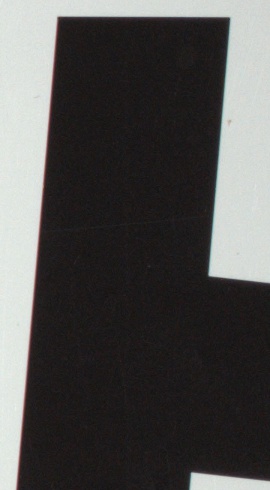
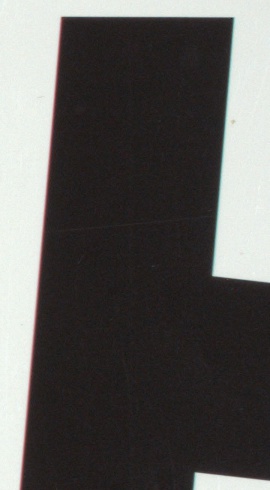
Although the Fujinon XF 23 mm R WR is a lens with a relatively simple optical construction without any low dispersion glass elements, it still corrects longitudinal chromatic aberration pretty well. Thumbnails presented by us below prove that much.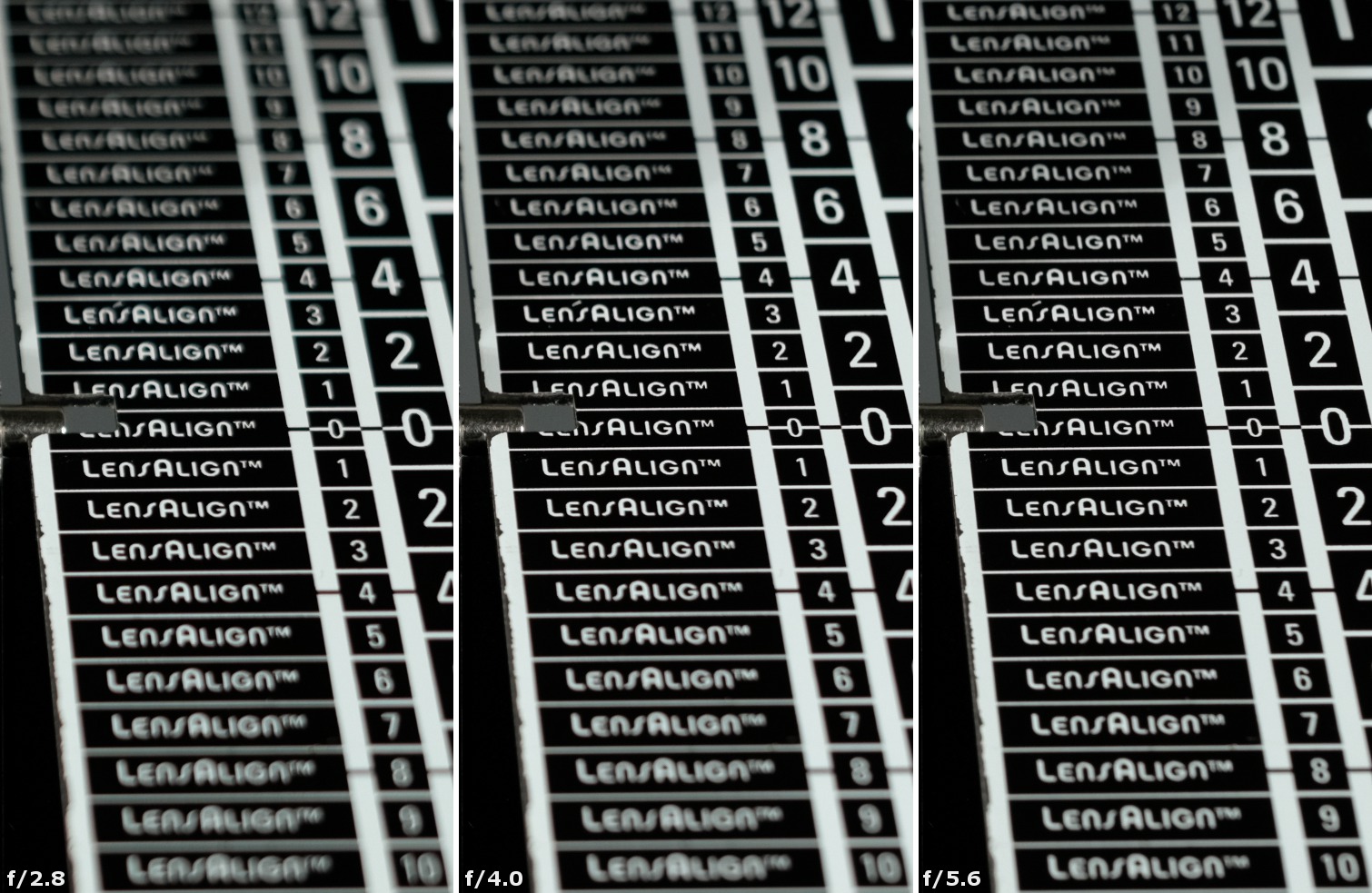 |
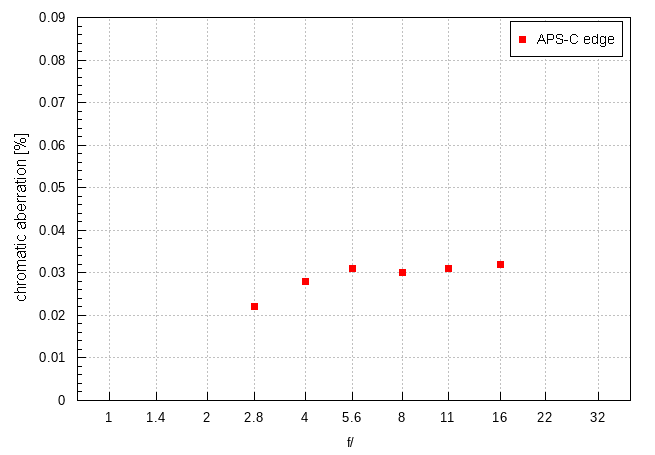
The correction of lateral chromatic aberration can be described in similar terms – it's enough you look at a graph, below, to assess its performance.
Please Support UsIf you enjoy our reviews and articles, and you want us to continue our work please, support our website by donating through PayPal. The funds are going to be used for paying our editorial team, renting servers, and equipping our testing studio; only that way we will be able to continue providing you interesting content for free. |
- - - - - - - - - - - - - - - - - - - - - - - - - - - - - - - - - - - - - - - - - - - - - - - -
The described aberration only weakly depends on the aperture value and it increases slightly from 0.02% at the maximum relative aperture to near 0.03% for apertures closed down. All these values, with a lot of spare, fit very low levels so in this category the tested Fujinon deserves to be praised.
| Fujifilm X-T2, RAW, f/2.8 | Fujifilm X-T2, RAW, f/5.6 |
|
|
Spherical aberration
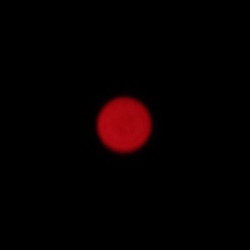
In first photos from this chapter you can notice slight focus shift. As you stop the aperture down the depth of field moves slightly towards greater distances.Out-of-focus circles of light we got before and behind the focus don't differ much from each other for a change. If you add to that the good image quality the Fujinon offers already up from the maximum relative aperture you can state that spherical aberration, although not corrected in a perfect way, is certainly not a significant problem.
| Fujifilm X-T30, f/2.8, before | Fujifilm X-T30, f/2.8, after |
|
|