Sony FE 50-150 mm f/2 GM
6. Distortion and field of view
Field of view
A full frame rectilinear 50-150 mm lens should give you a range of angles of view from 46.8 to 16.4 degrees. In their official specification Sony states that the offered range of angles of view is a bit different, changing from 47.0 to 16.5. We decided to take a reality check by taking photos of a starry sky and transforming the pixel layout (X,Y) from the photo into the equatorial coordinate system (right ascension and declination), which locates a star on a celestial sphere. That way we were able to measure the field very precisely, and exactly as it should be done, for rays of light coming from infinity.At the 50 mm focal length the transformation was based on positions of 141 stars spread evenly across the frame and average mesh-fitting error amounted to just 7 seconds of arc. Our result amounts to 46.62 deg with a measuring error not exceeding 0.03 of a deg. As you see the field measured by us is a tad narrower than the one stated in the specifications but the difference is not that pronounced.
In case of the 150 mm focal length we used 71 stars and an average mesh-fitting error amounted to just 7 seconds of arc as well. The field measured by us amounted to 16.27 deg with a measuring error on a level not exceeding 0.03 deg. It seems, though, that the real maximum focal length of the lens might be bigger, reaching near 603 mm. Here the field is also a bit narrower than the one stated in official specifications.
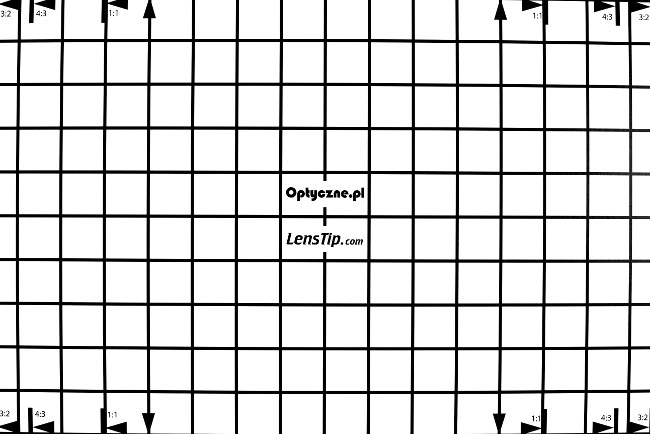
Distortion
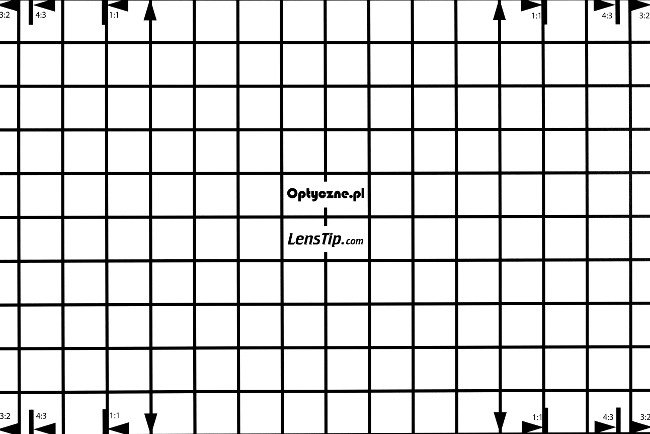
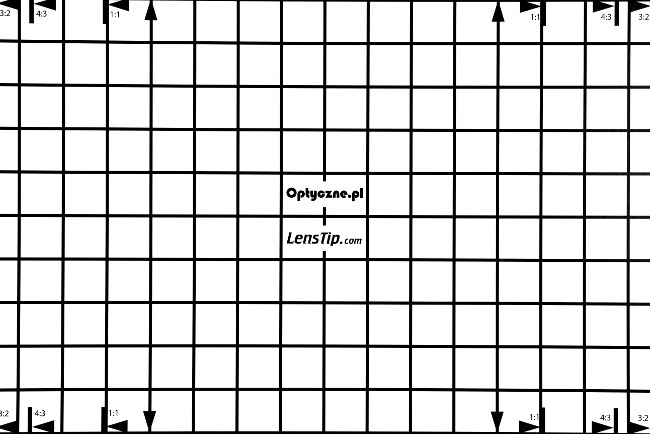
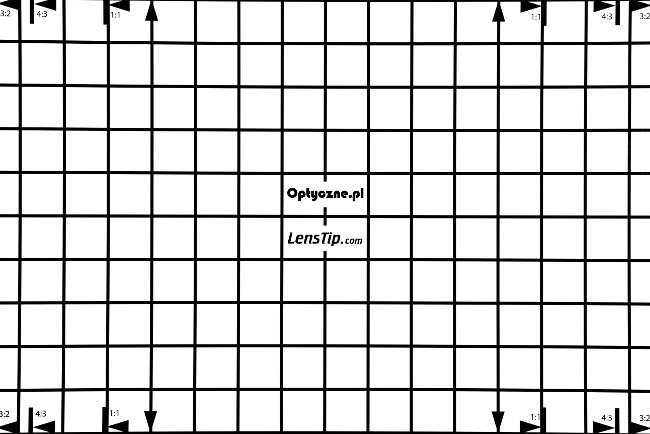
In case of the smaller APS-C sensor distortion doesn't give us more serious reasons to complain. The 50 mm focal length means small barrel deformations of – 1.04%. Right before 70 mm distortion becomes zero and then it changes the sign so at 70 mm you get already traces of pincushion variant of +0.11%. After passing to 100 mm this 'pincushion' increases to +0.71% and at 150 mm it reaches a value of +0.99%.
Please Support UsIf you enjoy our reviews and articles, and you want us to continue our work please, support our website by donating through PayPal. The funds are going to be used for paying our editorial team, renting servers, and equipping our testing studio; only that way we will be able to continue providing you interesting content for free. |
- - - - - - - - - - - - - - - - - - - - - - - - - - - - - - - - - - - - - - - - - - - - - - - -
| Sony A7R IIIa, APS-C, JPEG, 50 mm | |||
|
|||
| Sony A7R IIIa, APS-C, JPEG, 70 mm | |||
|
|||
| Sony A7R IIIa, APS-C, JPEG, 100 mm | |||
|
|||
| Sony A7R IIIa, APS-C, JPEG, 150 mm | |||
|
|||
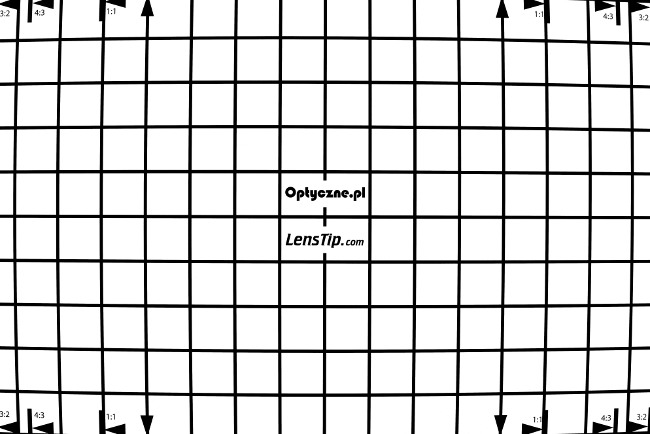
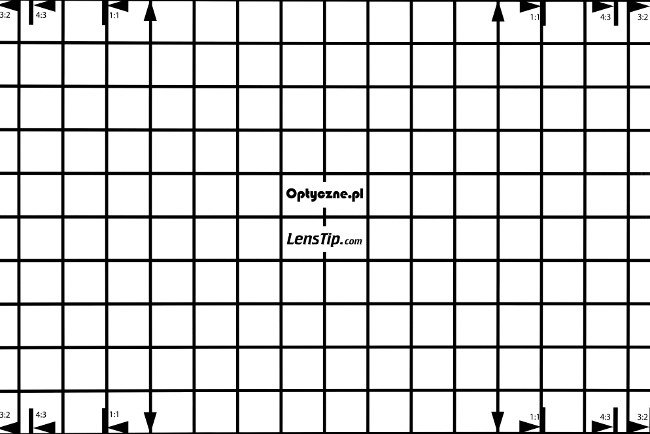
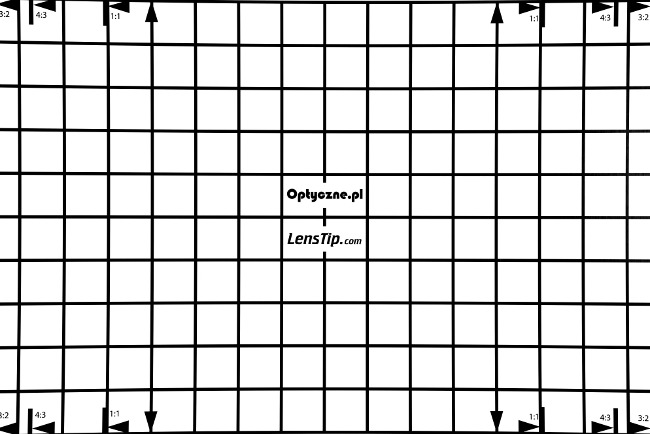
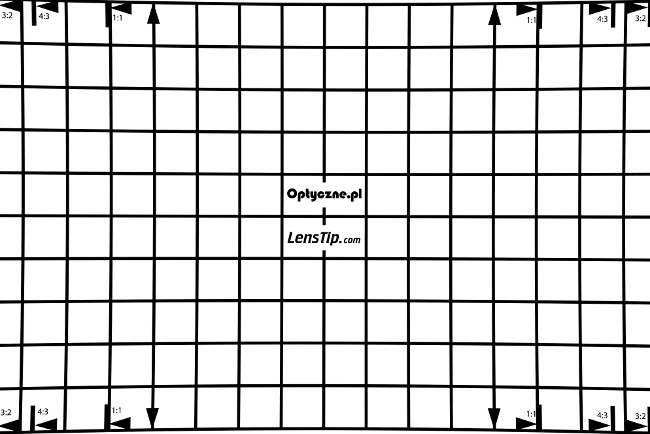
A bigger sensor of course means bigger problems and you can notice them already up from 50 mm, where you deal with a noticeable barrel distortion of -2.34%. Once again they decrease very quickly with the increase of the focal length, then they change the sign so at 70 mm you already deal with traces of 'pincushion' of +0.22%. Then distortion increases fast because at 100 mm it reaches +1.47% and at 150 mm it gets to a noticeable level of +2.01%.
| Sony A7R IIIa, FF, JPEG, 50 mm | |||
|
|||
| Sony A7R IIIa, FF, JPEG, 70 mm | |||
|
|||
| Sony A7R IIIa, FF, JPEG, 100 mm | |||
|
|||
| Sony A7R IIIa, FF, JPEG, 150 mm | |||
|
|||