Viltrox AF 85 mm f/1.4 Pro
5. Chromatic and spherical aberration
Chromatic aberration
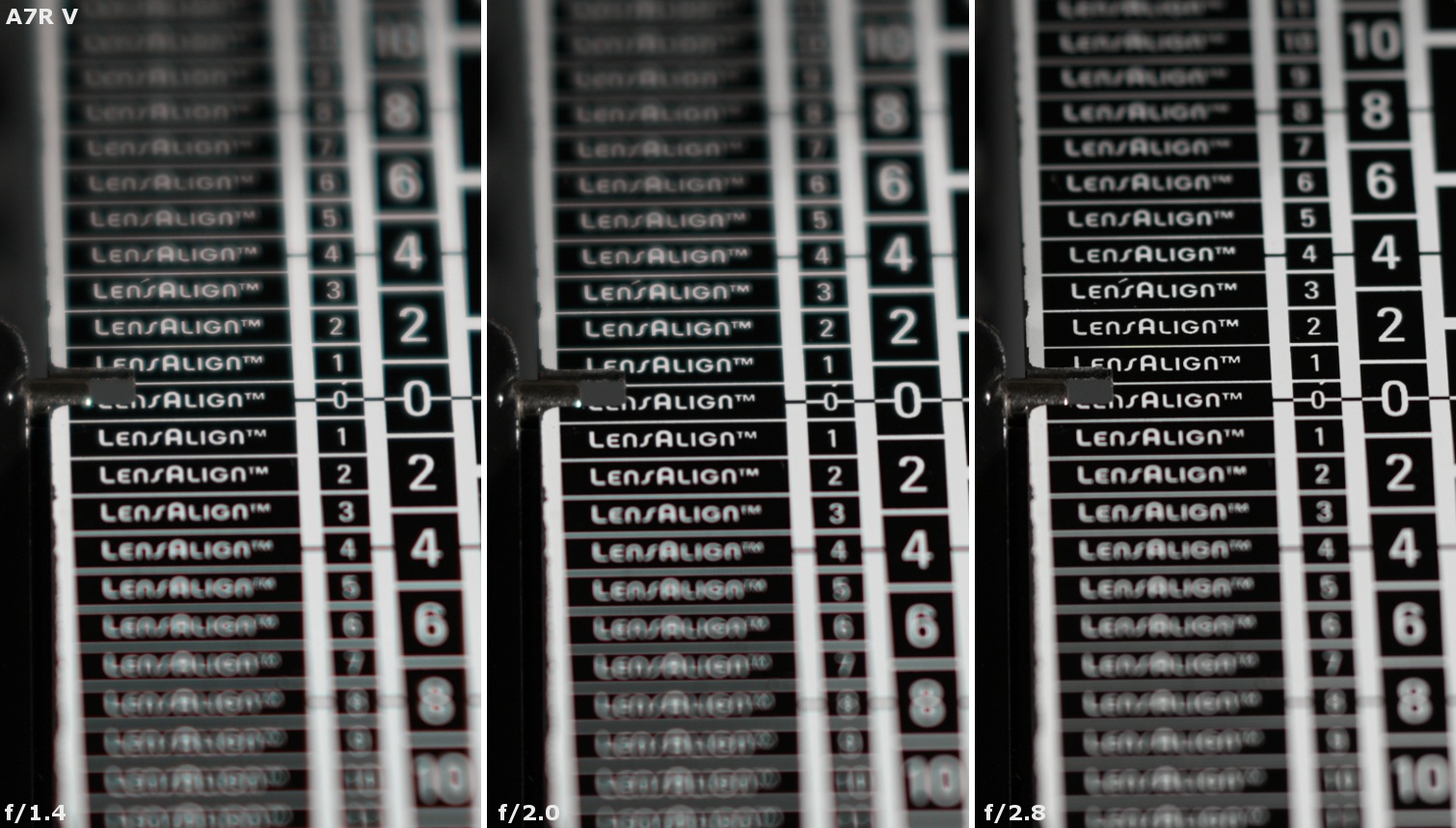
The Viltrox AF 85 mm f/1.4 Pro is simply larded with elements made of different kinds of special glass so we thought it might correct longitudinal chromatic aberration really efficiently. Photos below prove that indeed, there are no problems whatsoever. Even at the maximum relative aperture you have to examine out-of-focus areas positioned far away closely in order to notice slight traces of delicate colouring. In this category the lens deserves to be praised.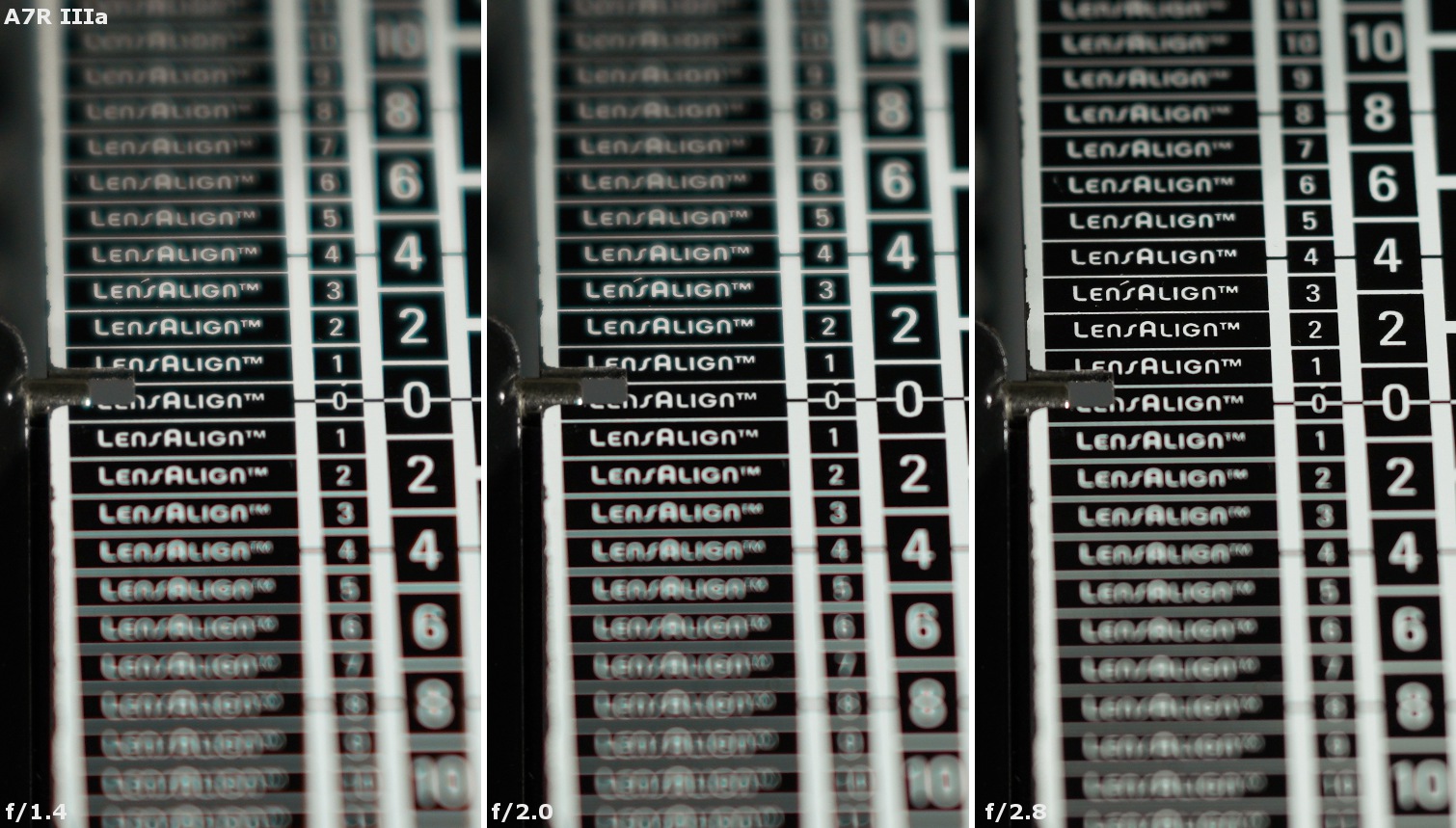 |
 |
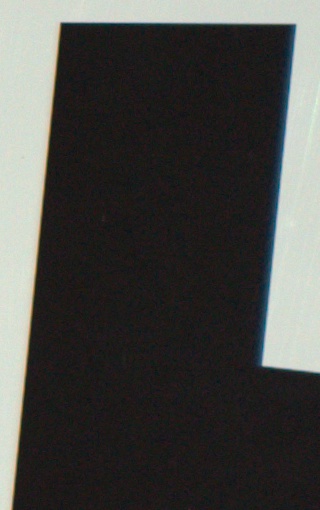
Now let's check how the Viltrox 1.4/85 Pro deals with correction of lateral chromatic aberration – a graph, posted below, shows its performance depending on aperture values and the used detector.
Please Support UsIf you enjoy our reviews and articles, and you want us to continue our work please, support our website by donating through PayPal. The funds are going to be used for paying our editorial team, renting servers, and equipping our testing studio; only that way we will be able to continue providing you interesting content for free. |
- - - - - - - - - - - - - - - - - - - - - - - - - - - - - - - - - - - - - - - - - - - - - - - -
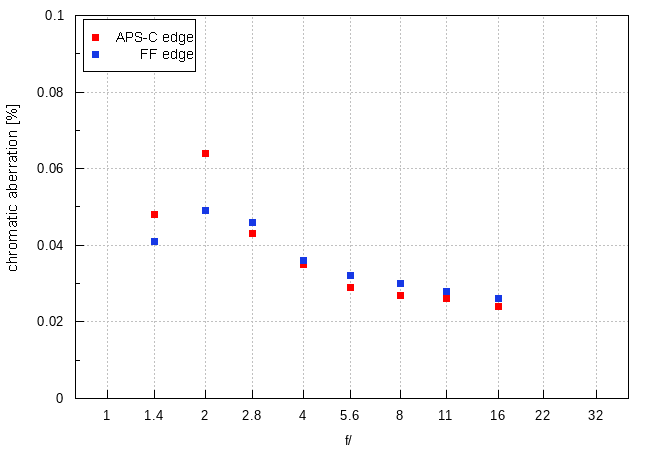
The results are atypical. The aberration features a noticeable peak by f/2.0 and it is reflected in the resolution results on the edge of the frame. Still, it should be emphasized that even that maximum point you deal with low levels and the majority of results keep very low levels. Also in this category the performance of the tested lens can be assessed very positively.
| A7R IIIa, RAW, f/2.0 | A7R IIIa, RAW, f/8.0 |
|

|
Spherical aberration
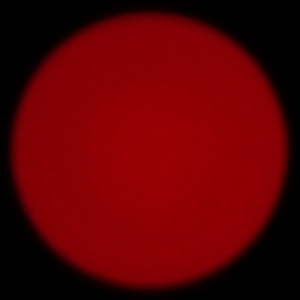
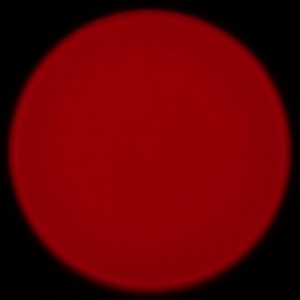
First photos of this chapter do feature focus shift effects. What's interesting, their level is very slight on passing from f/1.4 to f/2.0 but it increases significantly on stopping down the aperture to f/2.8.Problems with spherical aberration are also visible in the appearance of out-of-focus circles of light we produced before and behind the focus. The first of the circles has soft edges and the second one – a brighter rim. These two are classical symptoms of spherical aberration that is not corrected in a perfect way.
| A7R IIIa, f/1.4, before | A7R IIIa, f/1.4, after |
|
|
Spherical aberration proved to be so high that we could measure it without any problems. Not only it limited the resolution results by f/1.4 and f/2.0 in a distinct way but also the 'focus shift' stemming from it caused visible differences in resolution between particular apertures. The graph below shows it very well.
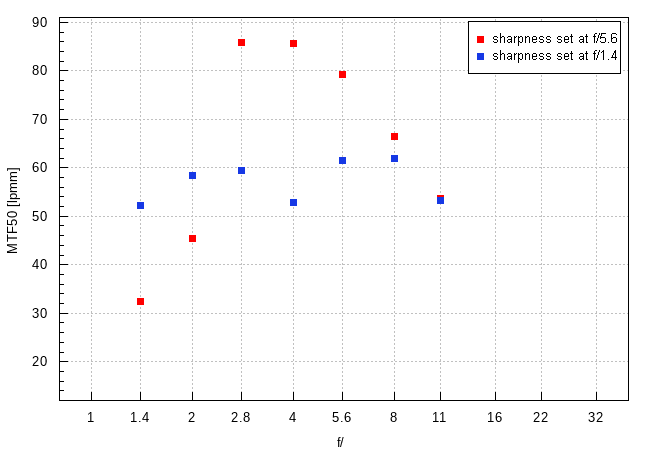
The performance marked by blue squares was created by a series of measurements we got at resolution set manually with the best result by f/1.4. Then, already without the change of the focus position, the aperture was stopped down and we measured the resolution at every stop. Once again you can notice a slight increase of values up to f/2.8 and then there is a dip connected to the DOF decrease. Then the results improve again because the depth of field increases once again with the stopping down of the aperture and encompasses the position arranged beforehand.
The red squares show results reached at resolution set manually by f/5.6. In this case you deal with practically optimum results by apertures ranging from f/2.8 to f/11.0; measurements by f/1.4 and f/2.0 go outside the depth of field very distinctly and, as such, are far from perfect.
All these measurements show clearly that the optics of the tested Viltrox have to deal with a significant level of spherical aberration which is one of the main reason of a weaker performance of the Viltrox near the maximum relative aperture compared to the performance of its direct rivals.