Panasonic Lumix S 50 mm f/1.8
5. Chromatic and spherical aberration
Chromatic aberration
A noticeable level of longitudinal chromatic aberration, sometimes even approaching high values, is one of typical problems haunting older f/1.4 and f/1.8 standards and small wonder – these are constructions that feature 6-7 lenses without one single special glass element among them. Panasonic made a step forward in this are using in their construction one low dispersion element and another one made of high refraction index glass.The results are perfectly clear when you glance at crops below. The Panasonic S 50 mm f/1.8 doesn't have any noticeable problems with longitudinal chromatic aberration. Even at the maximum relative aperture colouring of out-of-focus images is so slight that it shouldn't be problematic in real life photos.
 |
Now let's check the level lateral chromatic aberration – the performance of the lens, depending on the aperture applied, on the edge of the APS-C sensor and on the edge of full frame, presents a graph below.
Please Support UsIf you enjoy our reviews and articles, and you want us to continue our work please, support our website by donating through PayPal. The funds are going to be used for paying our editorial team, renting servers, and equipping our testing studio; only that way we will be able to continue providing you interesting content for free. |
- - - - - - - - - - - - - - - - - - - - - - - - - - - - - - - - - - - - - - - - - - - - - - - -
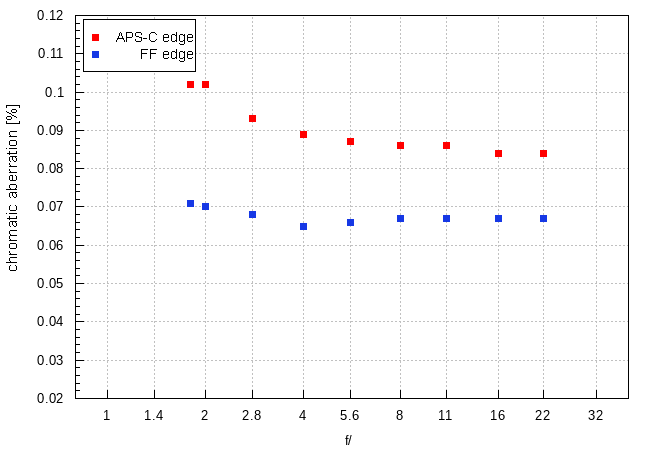
The border of full frame fares quite well with low results everywhere because this aberration only weakly depends on the aperture value. The ede of the APS-C sensor is another matter, with a more pronounced dependence on the aperture used. Near the maximum relative aperture you see results on the borderline between low and medium level and only more pronounced stopping down is able to reduce them to low levels.
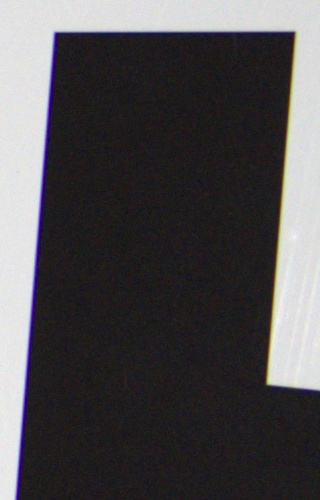
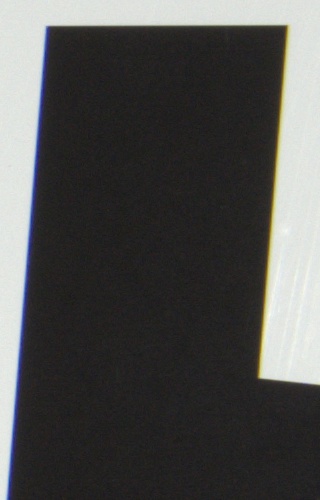
Overall these aren't results you can complain about but you also can't notice any improvement when compared to the performance of older constructions.
| S1R II, 50 mm, RAW, f/1.8 | S1R II, 50 mm, RAW, f/11.0 |
|
|
Spherical aberration
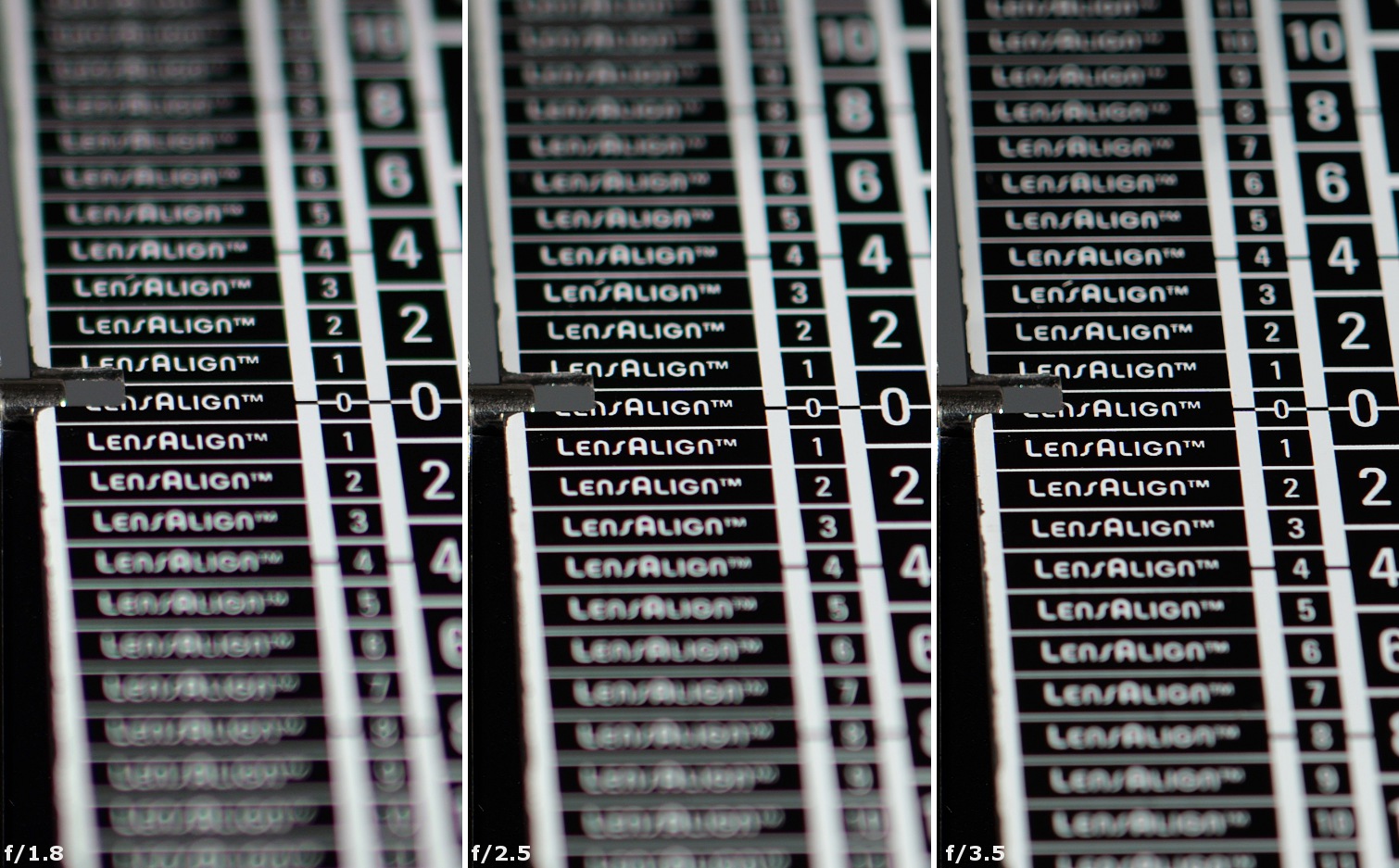
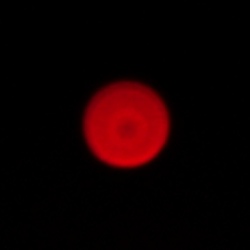
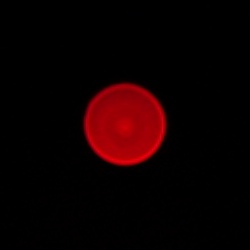
First photos of this chapter show a very slight focus shift effect. It's the most pronounced when you compare photos taken by f/1.8 and f/3.5. In the first case the depth of field is spread evenly around 0 and by f/3.5 it is just a tad shifted toward the photographer.Also defocused circles of light produced before and behind the focal point are the proof that spherical aberration is not corrected in a perfect way. You get here a classic symptom: soft edges of one circle and a brighter rim in case of the other.
At the maximum relative aperture image resolution in the frame centre still remains sensible and it indicates that spherical aberration's levels cannot be very high.
| S1R II, 50 mm, f/1.8, before | S1R II, 50 mm, f/1.8, after |
|
|