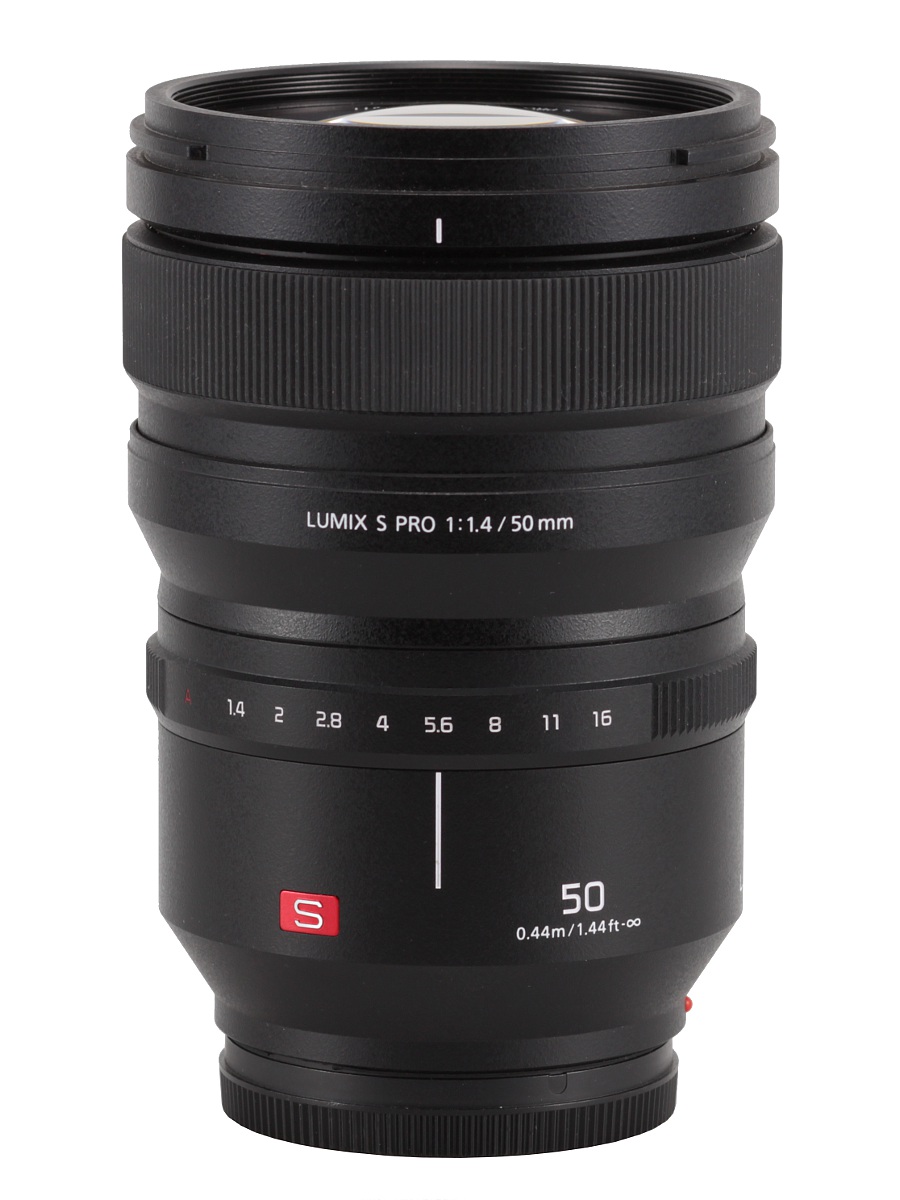
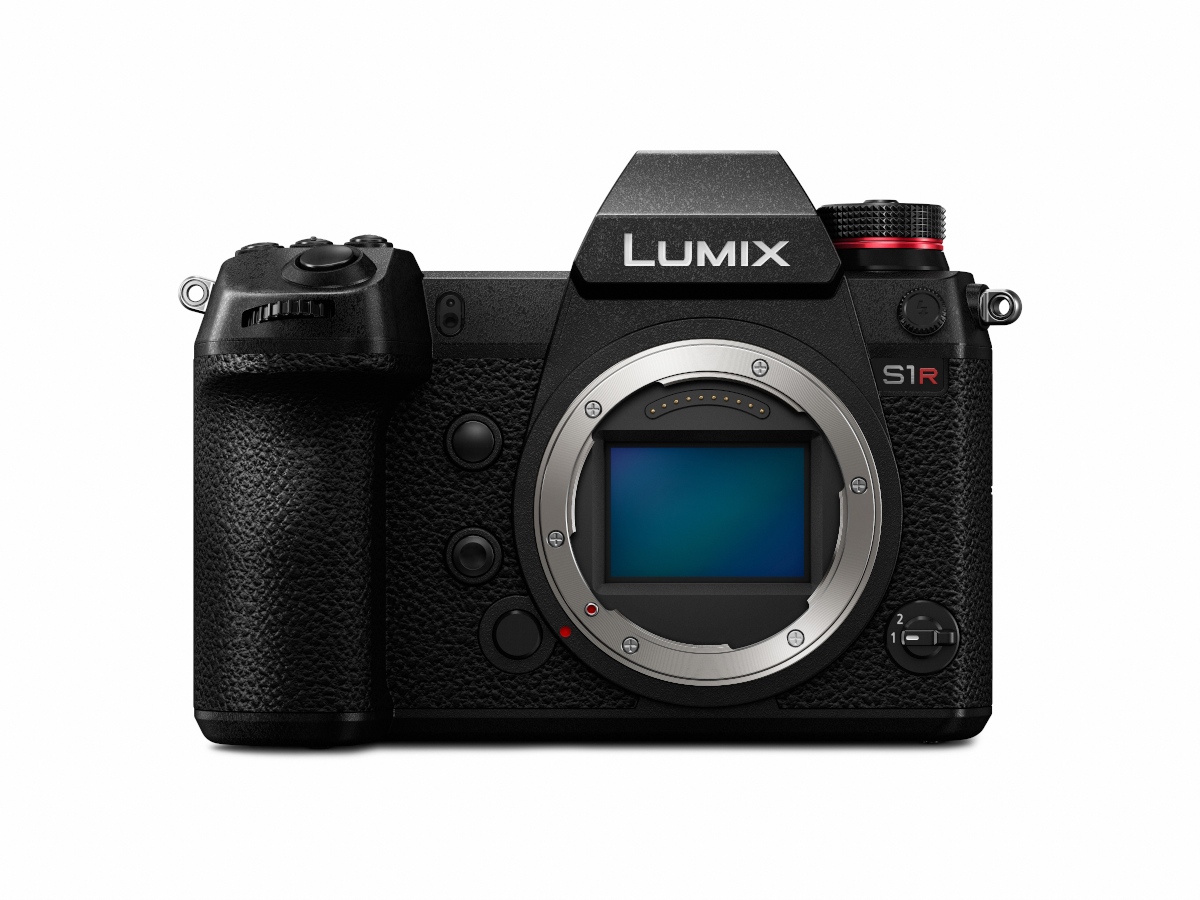
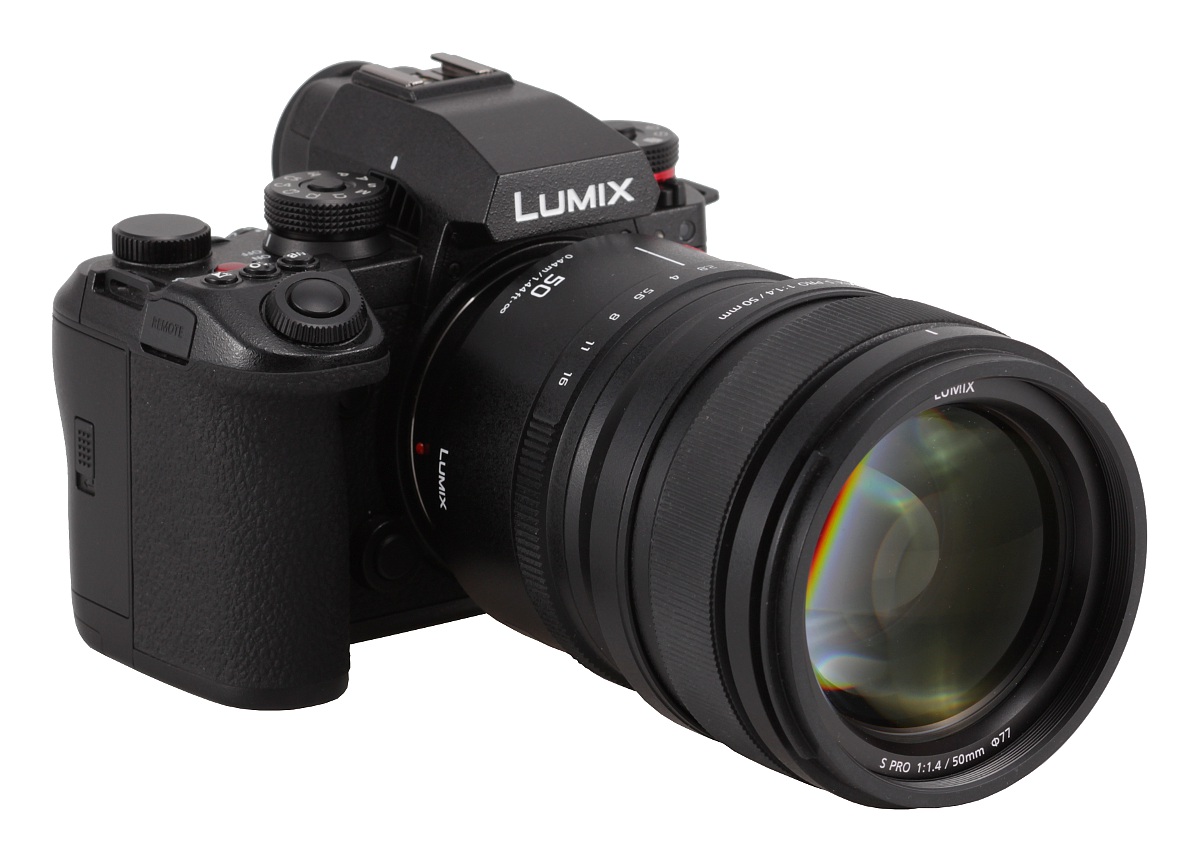
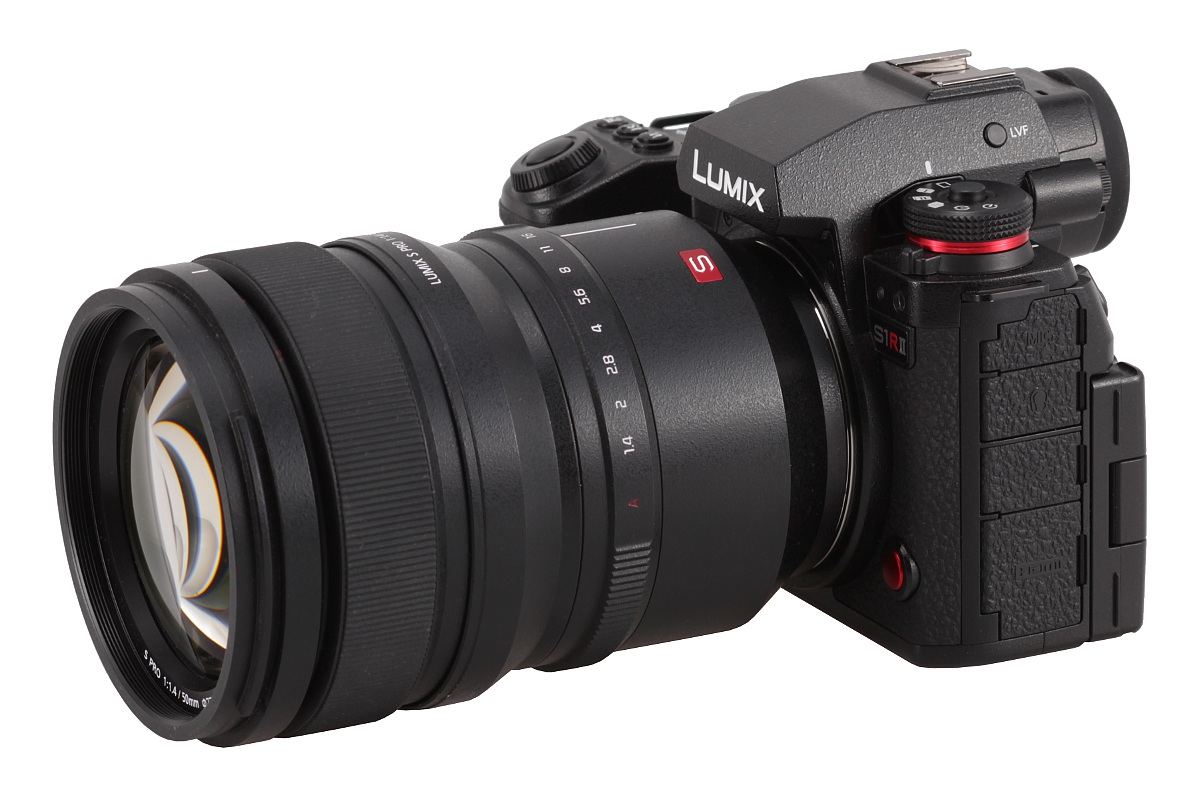
The full frame mirrorless system of Panasonic was launched in February 2019 with two cameras, the Lumix S and the S1R, that featured sensors of 24.2 and 47.3 Mpix. Alongside they also showed three lenses, the universal Lumix S 24-105 mm f/4 MACRO O.I.S., the Lumix S Pro 70-200 mm f/4 O.I.S., and also the classic standard the Lumix S Pro 50 mm f/1.4. To be honest only its 1.4/50 parameters can be called standard; the rest, in fact, was supposed to be a power show of the whole system. It was a launch of a fixed focal length lens with a very complex optics, huge physical dimensions, and a weight that reached one kilogram.
I admit that at first I wasn't very keen on testing the new system and for several reasons. Firstly, at that time we didn't know whether this system really would settle in on our market. Secondly, we had some doubts about the kind of body we should use in our tests. The S1R model, without the AA filter, was at first glance a good choice but then we had reservations concerning its autofocus, based only and solely on contrast detection. All cameras, used in our editorial office for testing, feature hybrid systems based on contrast detection and phases. I didn't want to put a lens through our testing routine and then wonder what caused their too weak autofocus result – the mechanism of the lens itself or the camera. The second reason was the resolution of the sensor, noticeably higher than the 45.7 Mpix of the Nikon Z7 and the 42.4 Mpix of the Sony A7R IIIa. The linear density of the S1R is over 5% higher than the density of the Sony A7R IIIa and it could make direct comparing of the results rather problematic.
Still time went by and my doubts started to disappear. Firstly, the new system had been developed very quickly. During six years after the initial launch the Panasonic managed to construct as many as 19 lenses. What's more, many of them proved to be very interesting, trail-blazing models; it's enough you mention here the Lumix S 20-60 mm f/3.5-5.6 or the Lumix S 18 mm f/1.8.
Please Support Us
If you enjoy our reviews and articles, and you want us to continue our work please, support our website by donating through PayPal. The funds are going to be used for paying our editorial team, renting servers, and equipping our testing studio; only that way we will be able to continue providing you interesting content for free.
As if i wasn't enough, two other significant players on the photographic market, Leica and Sigma, use the same mount. The first company added 16 of its models to the new system and there are interesting instruments among them as well. The Summilux-SL 50 mm f/1.4 ASPH is undoubtedly their power show and it's even heavier than the Lumix S Pro 1.4/50. Also the APO Summicron f/2.0 series looks very promising; according to the producer these instruments are supposed to be corrected exceptionally well when it comes to the majority of optical aberrations.
If the Leicas are too expensive for you there is always Sigma on the battleground. The majority of its launches are characterized by an excellent price/performance ratio and in case of the L-mount they offer as many as 51 lenses with focal length stretching from 14 to 600 mm (among them L-mount versions of older reflex camera models) – take your pick.
If it wasn't enough, also the AF 35-150 mm f/2-2.8 L model from Samyang is sold as an L-mount variant and lately such companies as Meike, 7Artisans, and TTArtisan have been producing L-mount variants of their different autofocus models.
Overall, at the time I was preparing this material (July 2025) there were as many as almost one hundred autofocus lenses in the L-mount system. If you think it's still not enough you can also look at completely manual lenses from such Chinese producers as Venus Optics Laowa, Meike, Mitakon, 7Artisans, TTArtisan, or Sirui.
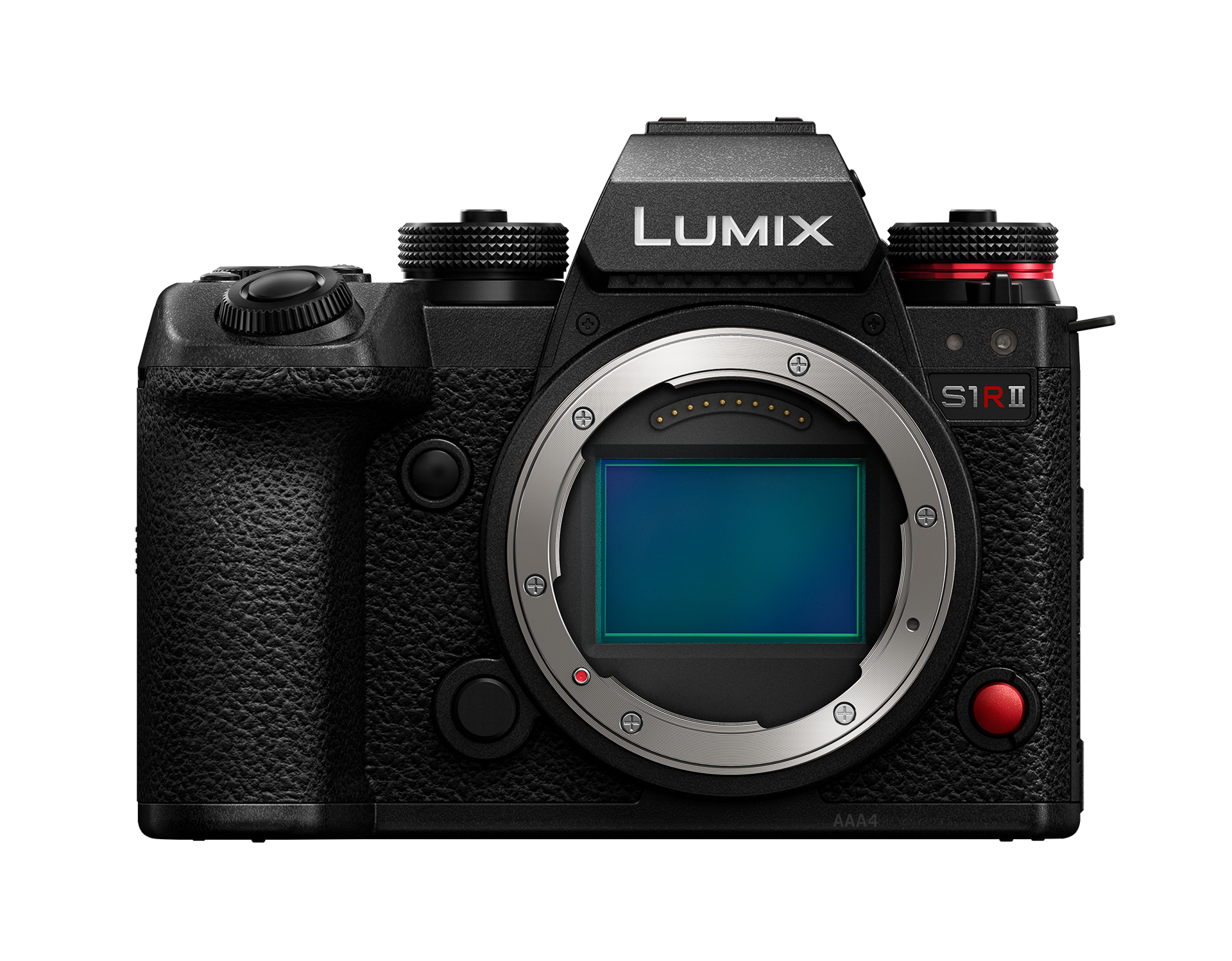
It is evident that this system has settled in and it is going to be developed further. As it wasn't enough, on 25th February 2025 the Panasonic Lumix S1R II was launched, a camera that features not only a hybrid autofocus based on phase detection and contrast detection but also, compared to the S1R, the resolution of its sensor decreased to 44.3 Mpix placing it exactly between the resolution of the Sony A7R IIIa and the Nikon Z7. It should allow a quite easy comparison of results obtained on all these three platforms.
I admit I had no more excuses – it was time to start the tests of L-mount optics. We decided to start with the aforementioned standard so the Panasonic Lumix S Pro 50 mm f/1.4. It's dimensions, weight, and complexity of optics suggest that it should establish the upper limit of results that can be achieved on the sensor of the Panasonic S1R II.
We would like to thank the Polish Panasonic subsidiary for lending us one specimen of the lens along with the camera for our testing procedure.
You are also invited to get acquainted with our test procedure, described in the article "How do we test lenses?" If you feel it’s still not enough, please go to our FAQ section where you can find some further explanation.