Sigma A 17-40 mm f/1.8 DC
5. Chromatic and spherical aberration
Chromatic aberration
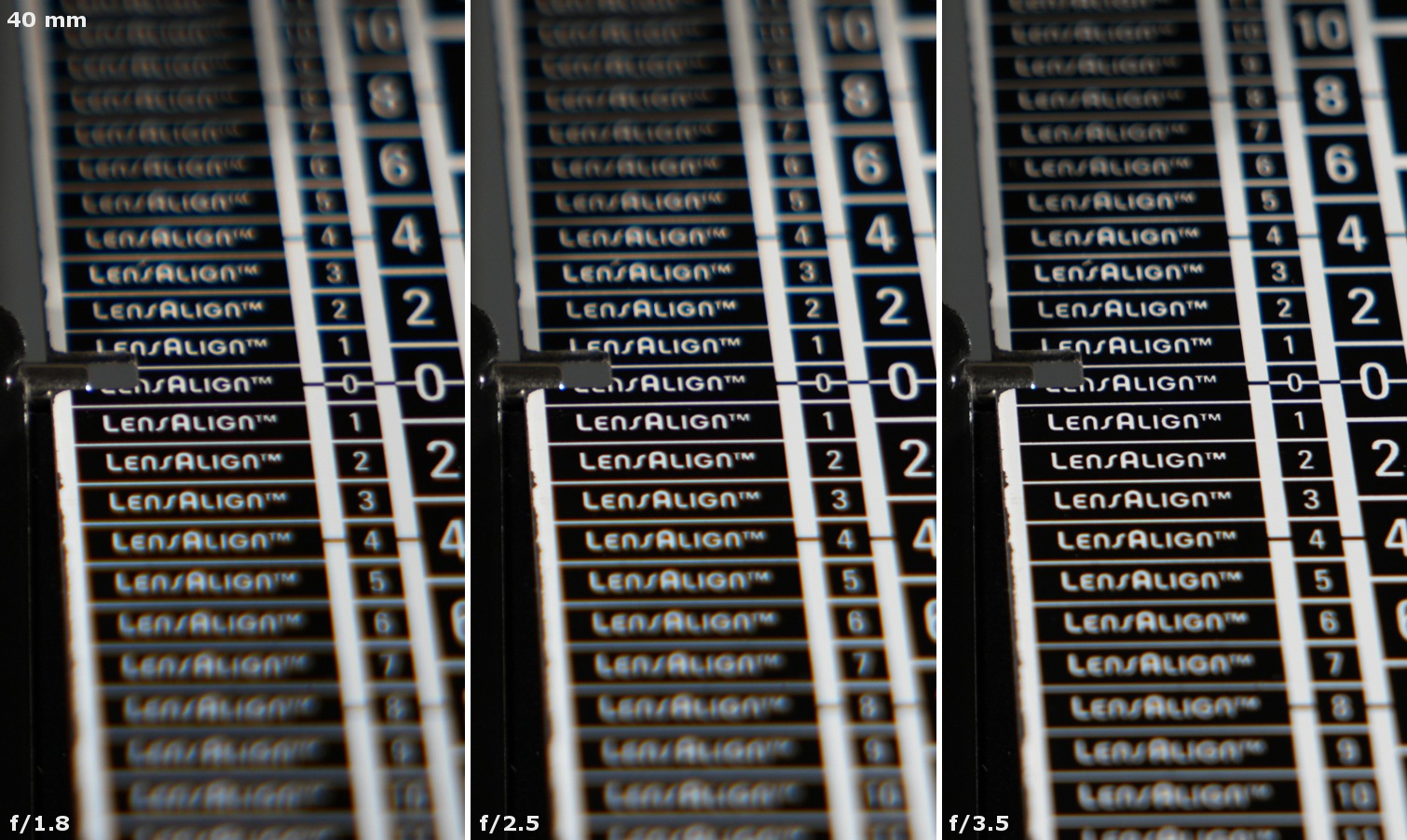
Taking into account the focal range and an excellent aperture fastness the Sigma A 17-40 mm f/1.8 DC was certainly not a construction easy to correct – it's no coincidence it features as many as four low dispersion SLD glass lenses.Longitudinal chromatic aberration doesn't bother you practically at all at the shortest focal length. Even at the maximum relative aperture there are just traces of colouring in out-of-focus areas. In case of the 40 mm focal length they are a bit easier to notice but still the level of this aberration remains lower than medium.
 |
Please Support UsIf you enjoy our reviews and articles, and you want us to continue our work please, support our website by donating through PayPal. The funds are going to be used for paying our editorial team, renting servers, and equipping our testing studio; only that way we will be able to continue providing you interesting content for free. |
- - - - - - - - - - - - - - - - - - - - - - - - - - - - - - - - - - - - - - - - - - - - - - - -
 |
Now let's check the correction of lateral chromatic aberration – the graph below presents its performance depending on the focal length and aperture values.
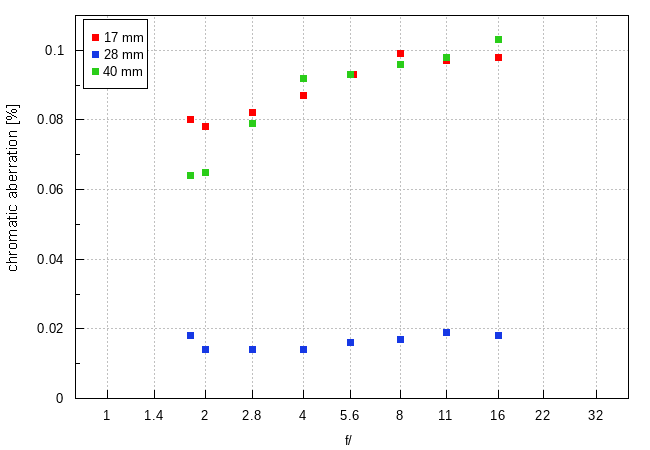
You can observe sensational results only in the middle of the focal range, where this aberration doesn't exceed a negligible value of 0.02%. Both ends of the focal range fare similarly, with results increasing as you stop down the aperture. In the wide areas of the maximum relative aperture you deal with low values but from f/8.0 aperture you can observe medium values.
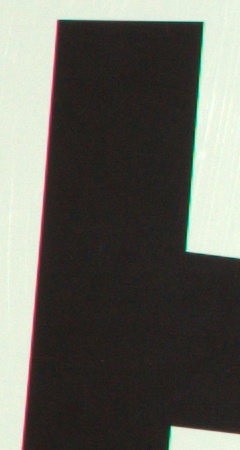
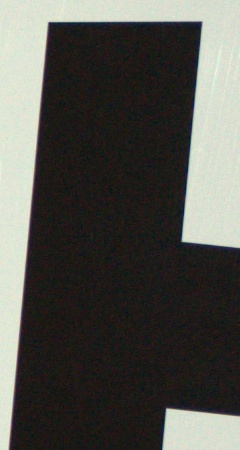
Overall, taking into account the scale of the problem, the performance in this category should be assessed highly. You can notice chromatic aberration in your photos only on the edges of the focal range and only after a significant stopping down of the aperture; mind you even then it won't be very bothersome.
| A7R IIIa, RAW, 17 mm, f/8.0 | A7R IIIa, RAW, 28 mm, f/2.0 |
|
|
Spherical aberration
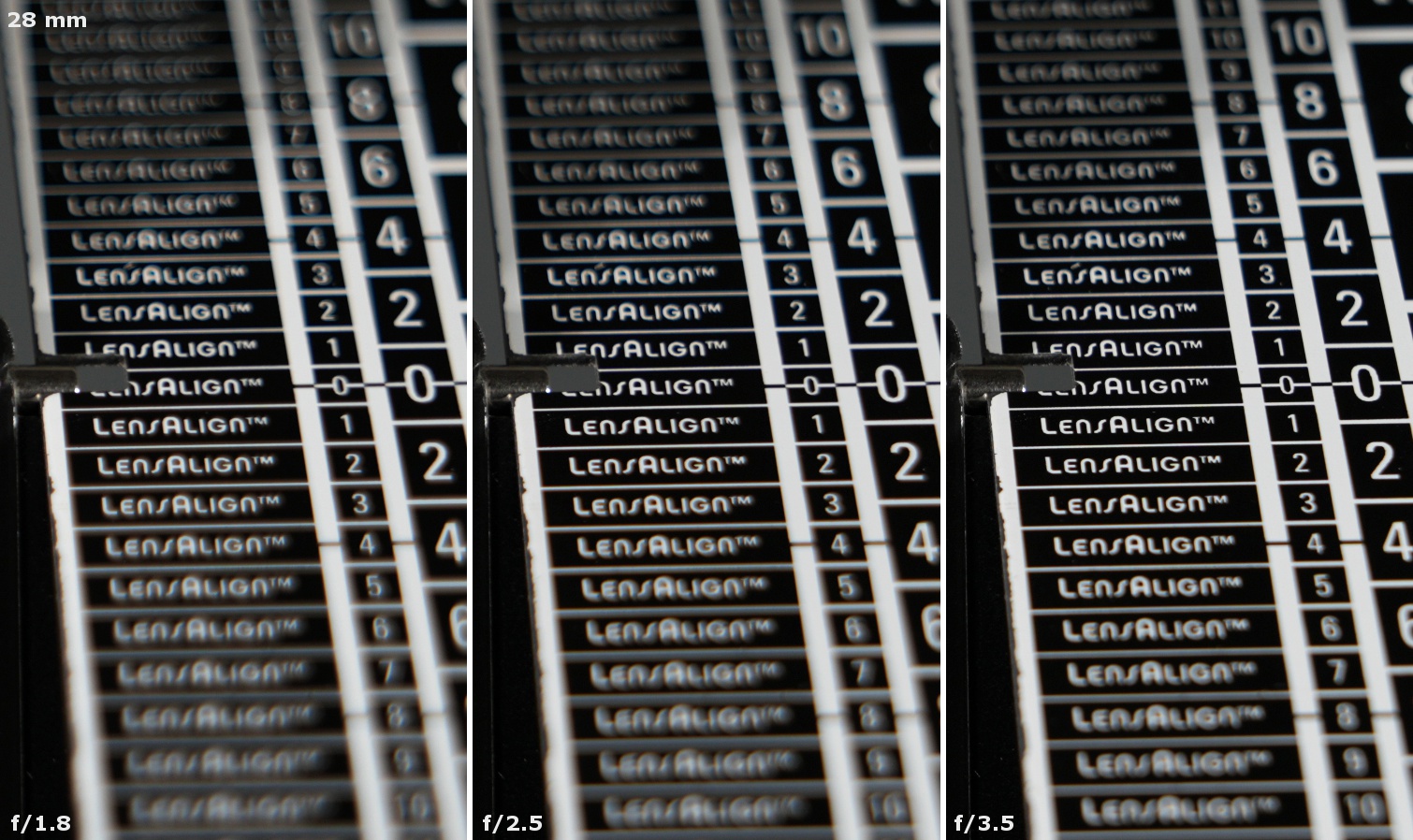
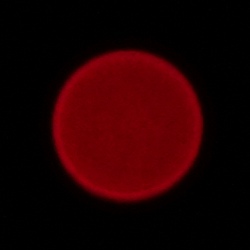
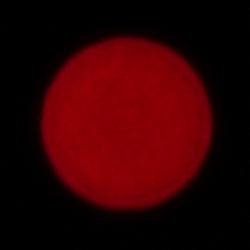
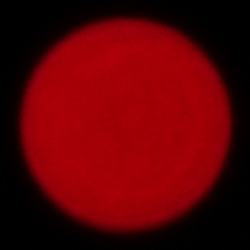
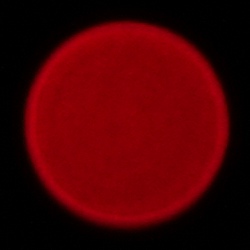
Spherical aberration we assess in three different ways. Firstly, we check the resolution of the lens and whether you notice characteristic 'mist' in the area close to the maximum relative aperture, as such mist is connected to undercorrection of this aberration. Secondly, we look for any traces of focus shift effect. Thirdly, we compare the appearance of defocused circles of light produced before and behind the focus.In case of the tested Sigma only the third of these tests showed a slight trace of spherical aberration. Circles we got before and behind the focus, both at 28 and 40 mm, differ from each other – from one side we got a soft edge, from the other a brighter rim. What's interesting, the change of focal length makes this rim change its position.
Fortunately the Sigma doesn't show any focus shift effect and the sharpness of its images by f/1.8 is excellent, no matter what focal length you apply. You can say the influence of spherical aberration is slight. We think some very moderate level of this aberration might be left deliberately in order to guarantee a better appearance of out-of-focus areas.
| A7R V, 28 mm, f/1.8, before | A7R V, 28 mm, f/1.8, after |
|
|
| A7R V, 40 mm, f/1.8, before | A7R V, 40 mm, f/1.8, after |
|
|