Sigma A 17-40 mm f/1.8 DC
9. Autofocus and focus breathing
Autofocus
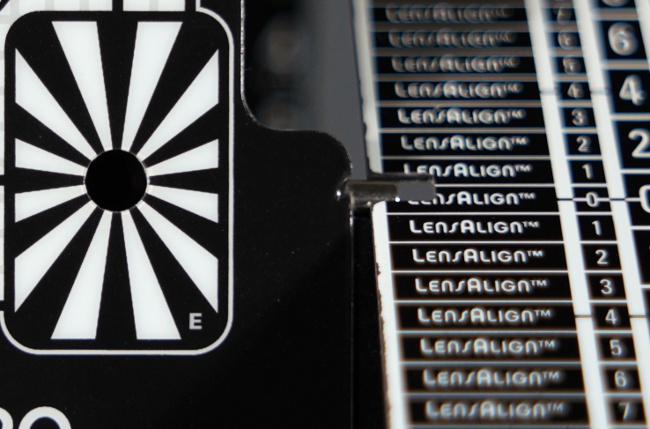
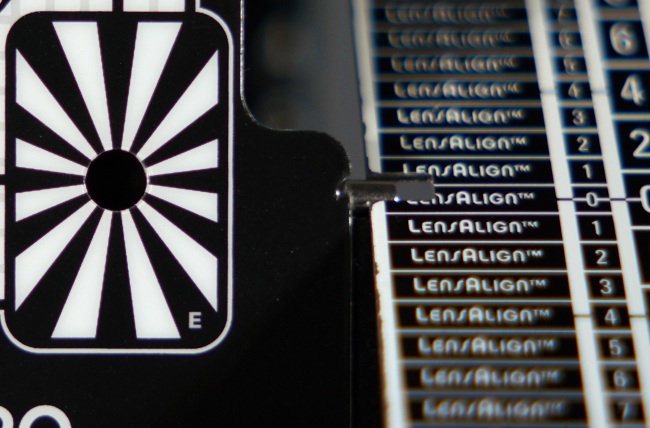
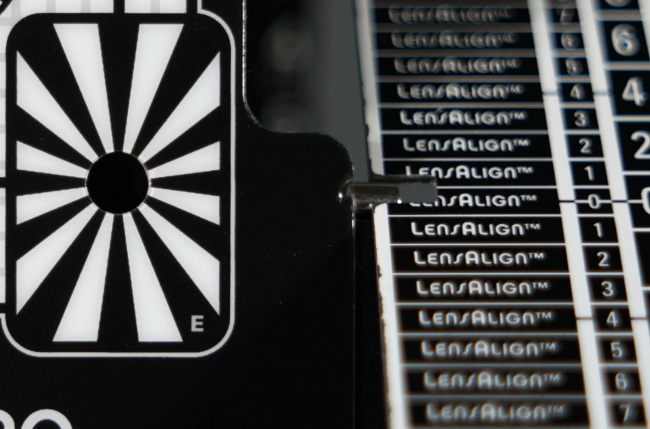
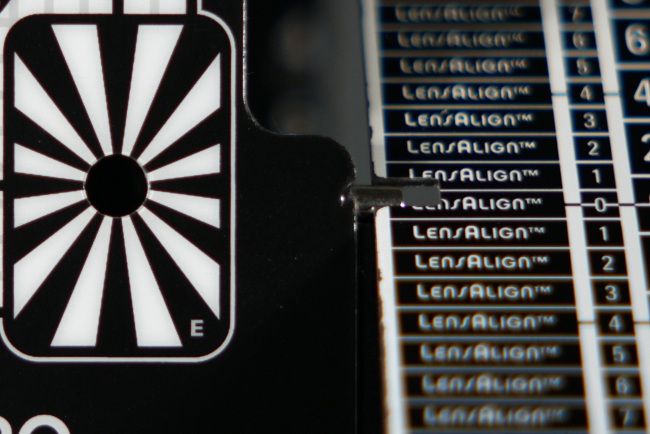
According to the producers the linear HLA motor should ensure a silent, quick, and precise autofocus performance. We checked this declaration by attaching the Sigma to the Sony A7R V camera. The mechanism is indeed completely noiseless and very quick. Traditionally, we noticed some difference between AF-S and AF-C modes. In the first one the time needed to run through the whole range and confirm the focus takes 0.3-0.4 of a second, an excellent result in itself. Still, every time you also notice a slight wavering. This effect disappears completely in the AF-C mode, so the focusing time decreases to a value of 0.1-0.2 of a second. These results are truly excellent.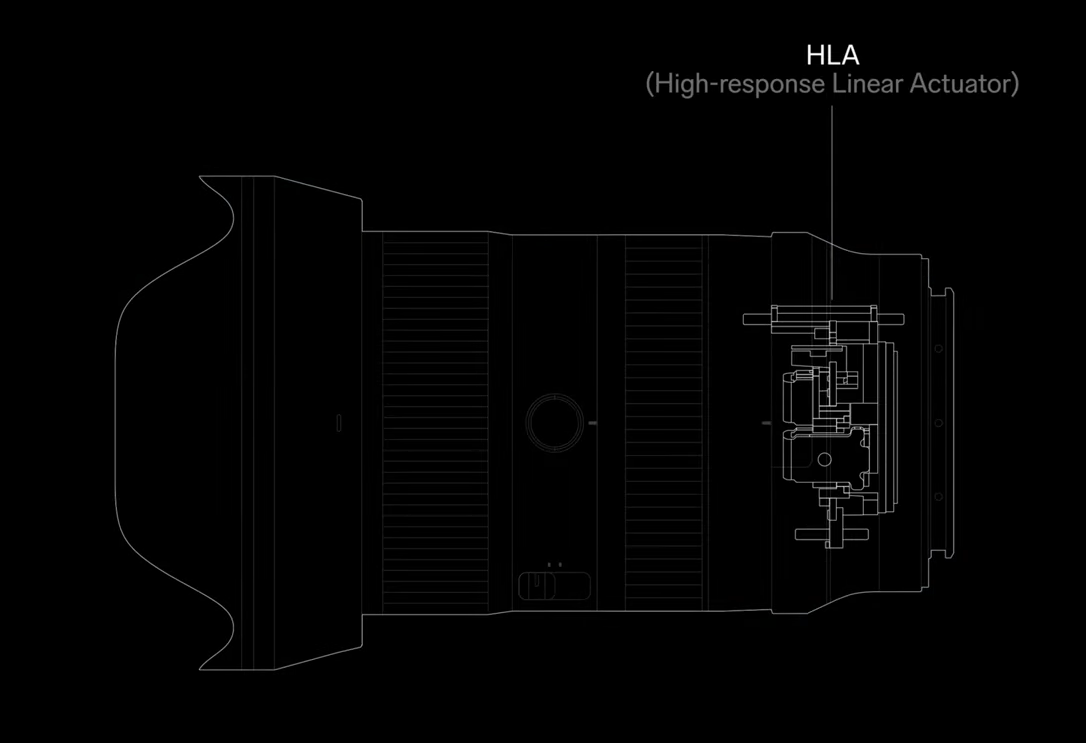 |
When it comes to the front or back focus tendency we didn't notice any of them – the lens always hit the target.
Please Support UsIf you enjoy our reviews and articles, and you want us to continue our work please, support our website by donating through PayPal. The funds are going to be used for paying our editorial team, renting servers, and equipping our testing studio; only that way we will be able to continue providing you interesting content for free. |
- - - - - - - - - - - - - - - - - - - - - - - - - - - - - - - - - - - - - - - - - - - - - - - -
| A7R IIIa, APS-C/DX, 28 mm, f/1.8 |
 |
| A7R IIIa, APS-C/DX, 40 mm, f/1.8 |
 |
| A7R V, APS-C/DX, 28 mm, f/1.8 |
 |
| A7R V, APS-C/DX, 40 mm, f/1.8 |
 |
Focus breathing
Focus breathing tests show reframing images as you oversharp them. We conduct the test by manually passing from the minimum focusing distance to infinity with the aperture stopped down; then we check how the field of view of the lens changed as a result.A frame change ranging from 0 to 5% we consider to be low. Between 5 and 10% you can speak about medium levels. Usually such values constitute also the maximum efficiency level of any breathing compensation algorithms, present in some bodies. Between 10 and 15% focus breathing is high, above 15% its level can be called very high.
The test video of the Sigma lens is shown below:
The fact that at 17 mm, when you set the focus toward the minimum distance of focusing, the field of view of the tested lens increases is interesting. Typically this aberration is quite different, with lenses having a tendency to reducing their field of view as you shorten the distance from the photographed object.
From chapter 6 we know that, for rays of light falling from infinity, the tested lens before distortion correction de facto offers you a focal length of near 16 mm and a field of view exceeding 83°. If you add to that a focus set at the minimum focusing distance you gain next 3° and we reduce the effective focal length to near 15.2 mm. Of course incorrect setting of focus in order to improve the field of view is not a practical solution but still such an interesting tidbit is worth measuring and writing about.