Tamron 16-30 mm f/2.8 Di III VXD G2
7. Coma, astigmatism and bokeh
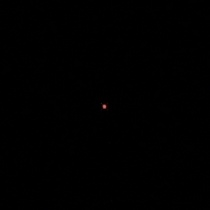
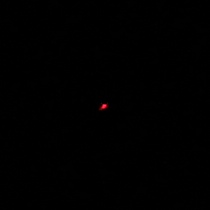
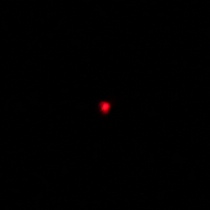
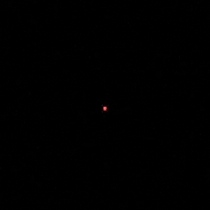
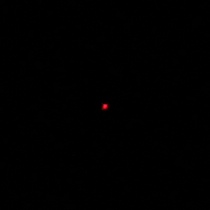
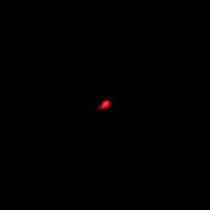
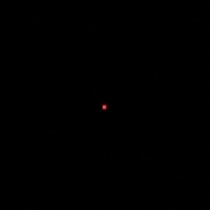
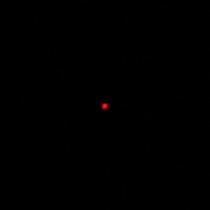
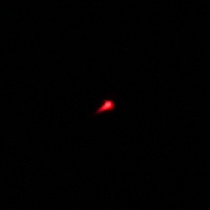
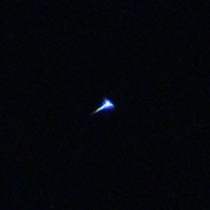
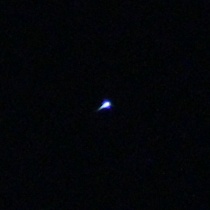
In case of longer focal lengths classic coma prevails – point-like images of a diode turn into comma which is rather small at 23 mm but already medium at 30 mm.
In this category the Tamron is defeated by the more expensive Sony but once again differences are not so high that they might explain a huge difference in price.
Please Support UsIf you enjoy our reviews and articles, and you want us to continue our work please, support our website by donating through PayPal. The funds are going to be used for paying our editorial team, renting servers, and equipping our testing studio; only that way we will be able to continue providing you interesting content for free. |
- - - - - - - - - - - - - - - - - - - - - - - - - - - - - - - - - - - - - - - - - - - - - - - -
| Center, 16 mm, f/2.8 | Corner APS-C, 16 mm, f/2.8 | Corner FF, 16 mm, f/2.8 |
|
|
|
| Center, 23 mm, f/2.8 | Corner APS-C, 23 mm, f/2.8 | Corner FF, 23 mm, f/2.8 |
|
|
|
| Center, 30 mm, f/2.8 | Corner APS-C, 30 mm, f/2.8 | Corner FF, 30 mm, f/2.8 |
|
|
|
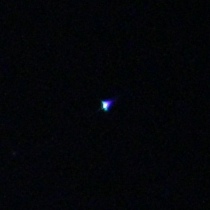
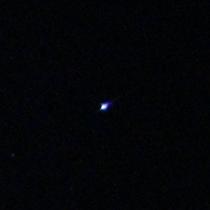
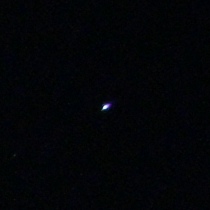
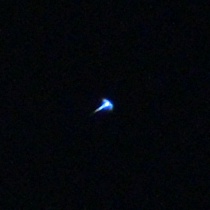
In order to make our test more interesting we also decided to show the image of a bright star put in the frame corner. These photos confirm the conclusions from the paragraph above. Additionally the coma doesn't disappear completely even on stopping down the aperture to f/5.6.
| Corner FF, 16 mm, f/2.8 | Corner FF, 16 mm, f/4.0 | Corner FF, 16 mm, f/5.6 |
|
|
|
| Corner FF, 30 mm, f/2.8 | Corner FF, 30 mm, f/4.0 | Corner FF, 30 mm, f/5.6 |
|
|
|
Astigmatism, understood as an average difference between horizontal and vertical MTF50 function values, amounted to 5.1%. It is a value on the borderline between very low and low values so you don't have any serious reason to worry, especially that it's a result a tad lower than in case of the rival Sony. You should also mention the fact that the lowest astigmatism value we got in the middle of the focal range.
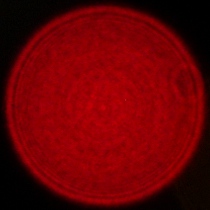
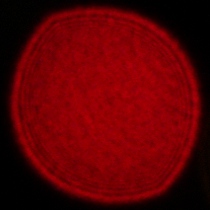
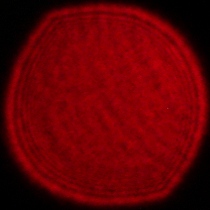
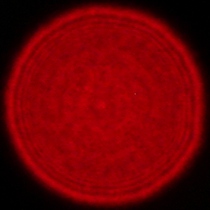
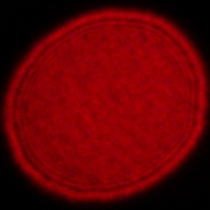
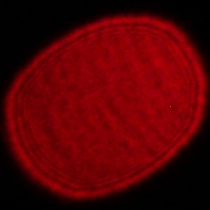
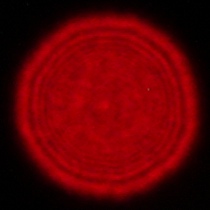
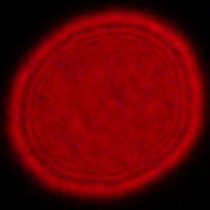
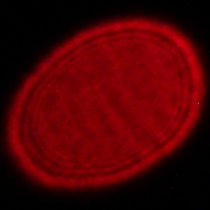
In case of an ultra wide angle zoom out-of-focus areas aren't crucial. After all such an instrument is not created to separate nicely the photographed object and its background. You get more or less what should be expected – circles of light with a lot of heterogeneities and a bright rim on the edge. What's surprising, there are no bigger reservations concerning mechanical vignetting that disappears completely on stopping down the aperture by 1 EV. Of course you should remember that this test was conducted at the longest focal length because at that point reaching sensible dimensions of the circles at different aperture values was actually possible.
| Center, 30 mm, f/2.8 | Corner APS-C, 30 mm, f/2.8 | Corner FF, 30 mm, f/2.8 |
|
|
|
| Center, 30 mm, f/4.0 | Corner APS-C, 30 mm, f/4.0 | Corner FF, 30 mm, f/4.0 |
|
|
|
Center, 30 mm, f/5.6 | Corner APS-C, 30 mm, f/5.6 | Corner FF, 30 mm, f/5.6 |
|
|
|