Samyang AF 24-60 mm f/2.8 FE
5. Chromatic and spherical aberration
Chromatic aberration
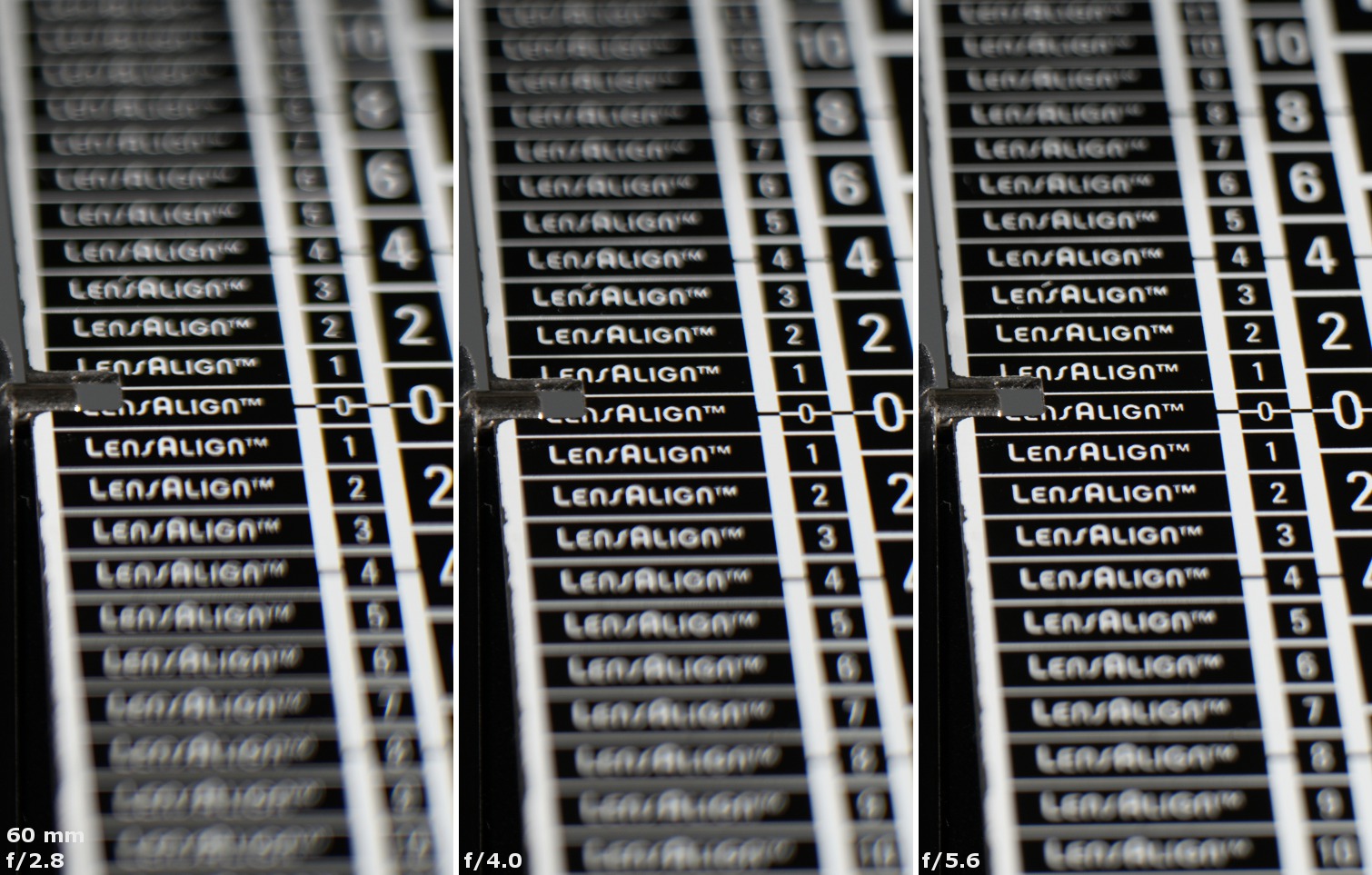
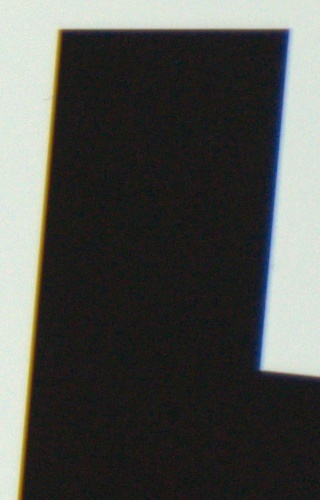
A high number of special elements, used in the optical construction of the tested Samyang suggests that the lens should perform well when it comes to correction of chromatic aberration.Time for a reality check. The longitudinal variant of this aberration is indeed corrected properly – even at the maximum relative aperture you don't see any significant coloring in out-of-focus areas. In case of the 40 mm focal length, they remain practically zero and at 60 mm they become a tad more pronounced but without any reasons to worry.
 |
Please Support UsIf you enjoy our reviews and articles, and you want us to continue our work please, support our website by donating through PayPal. The funds are going to be used for paying our editorial team, renting servers, and equipping our testing studio; only that way we will be able to continue providing you interesting content for free. |
- - - - - - - - - - - - - - - - - - - - - - - - - - - - - - - - - - - - - - - - - - - - - - - -
 |
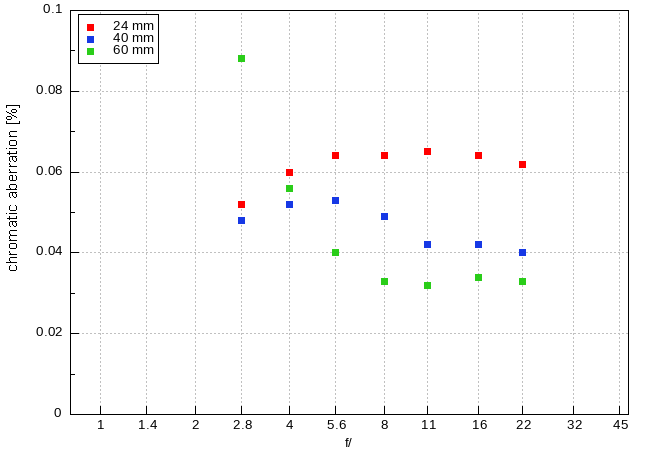
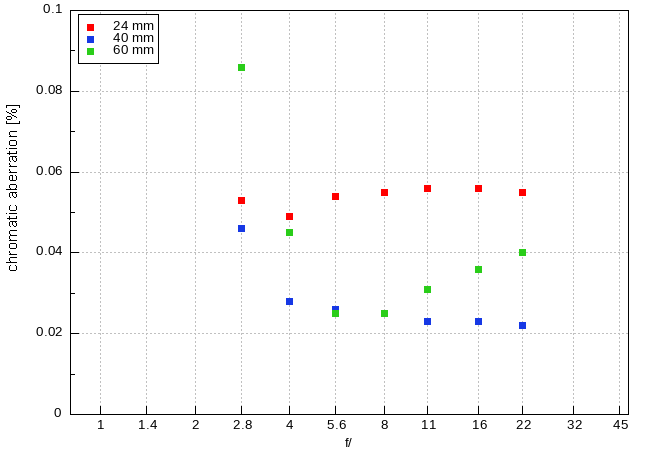
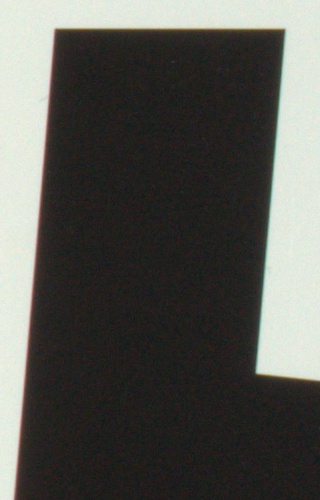
Overall the performance of the Samyang is good. The majority of results keep a range from 0.02% to 0.06%, so they are on the borderline between very low and low levels. The maximum relative aperture is an exception here – its result jumps to almost 0.09% so can be qualified as a medium value.
Still, it is important that it's an exception – after a slight stopping down you can reduce this aberration to a low level. We think in this category the Samyang AF 24-60 mm f/2.8 FE deserves a good note after all.
| A7R IIIa, RAW, 40 mm, f/16 | A7R IIIa, RAW, 60 mm, f/2.8 |
|
|
Spherical aberration
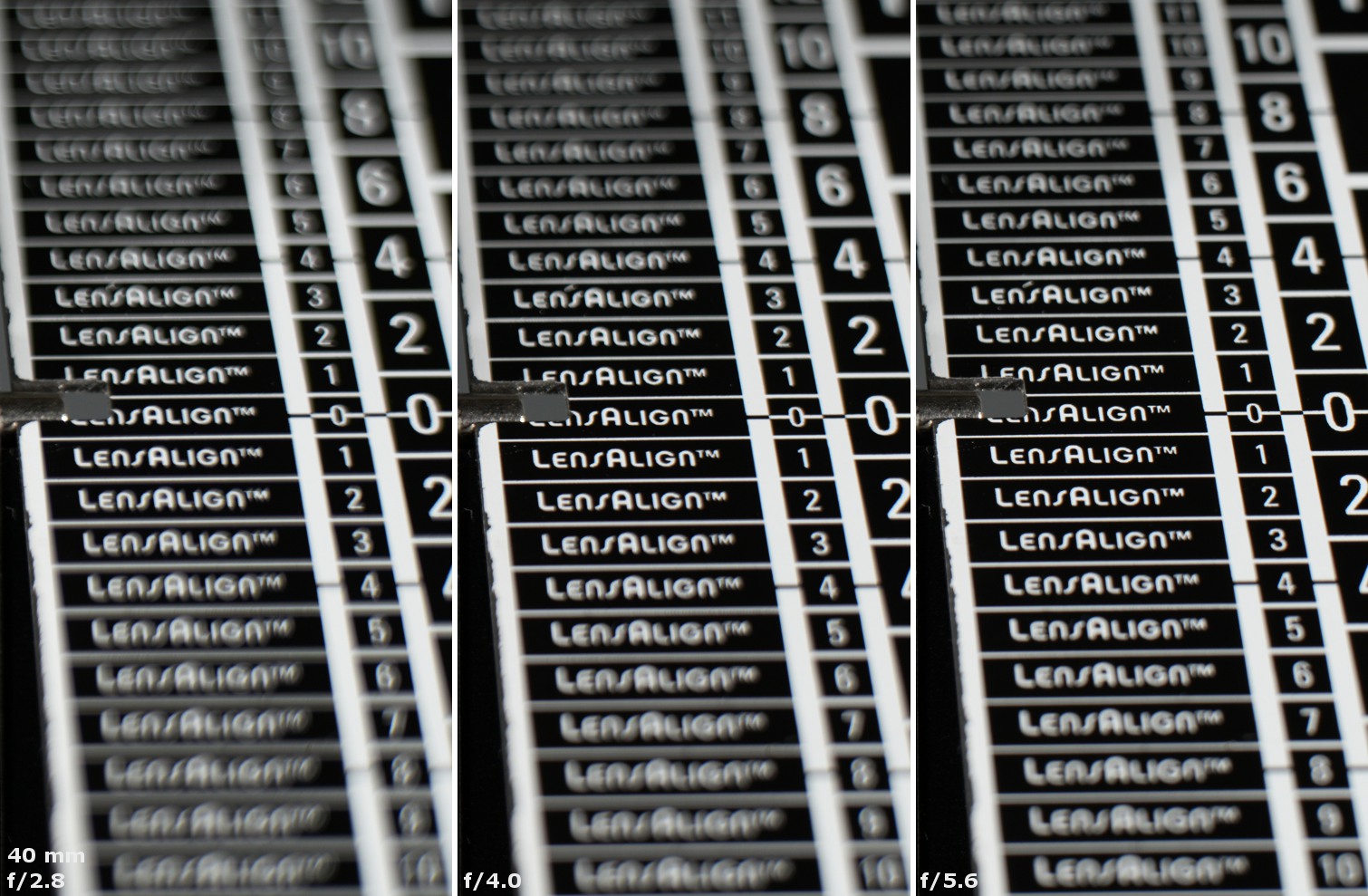
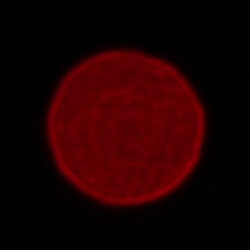
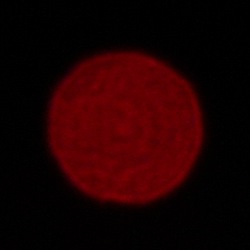
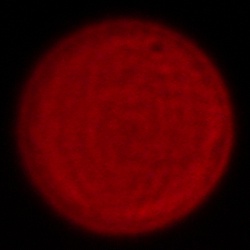
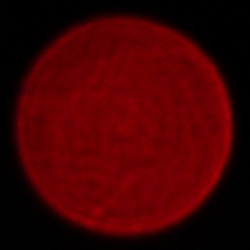
The first photos of this chapter don't show any noticeable focus shift effect. What's more, defocused circles of light we produced before and behind the focus are quite similar even though you can notice small differences in intensity of the outer rim. It allows us to say the Samyang 24-60 mm corrects spherical aberration properly well.
| A7R V, 40 mm, f/2.8, before | A7R V, 40 mm, f/2.8, after |
|
|
| A7R V, 60 mm, f/2.8, before | A7R V, 60 mm, f/2.8, after |
|
|