Voigtlander Septon 40 mm f/2 Aspherical
5. Chromatic and spherical aberration
Chromatic Aberration
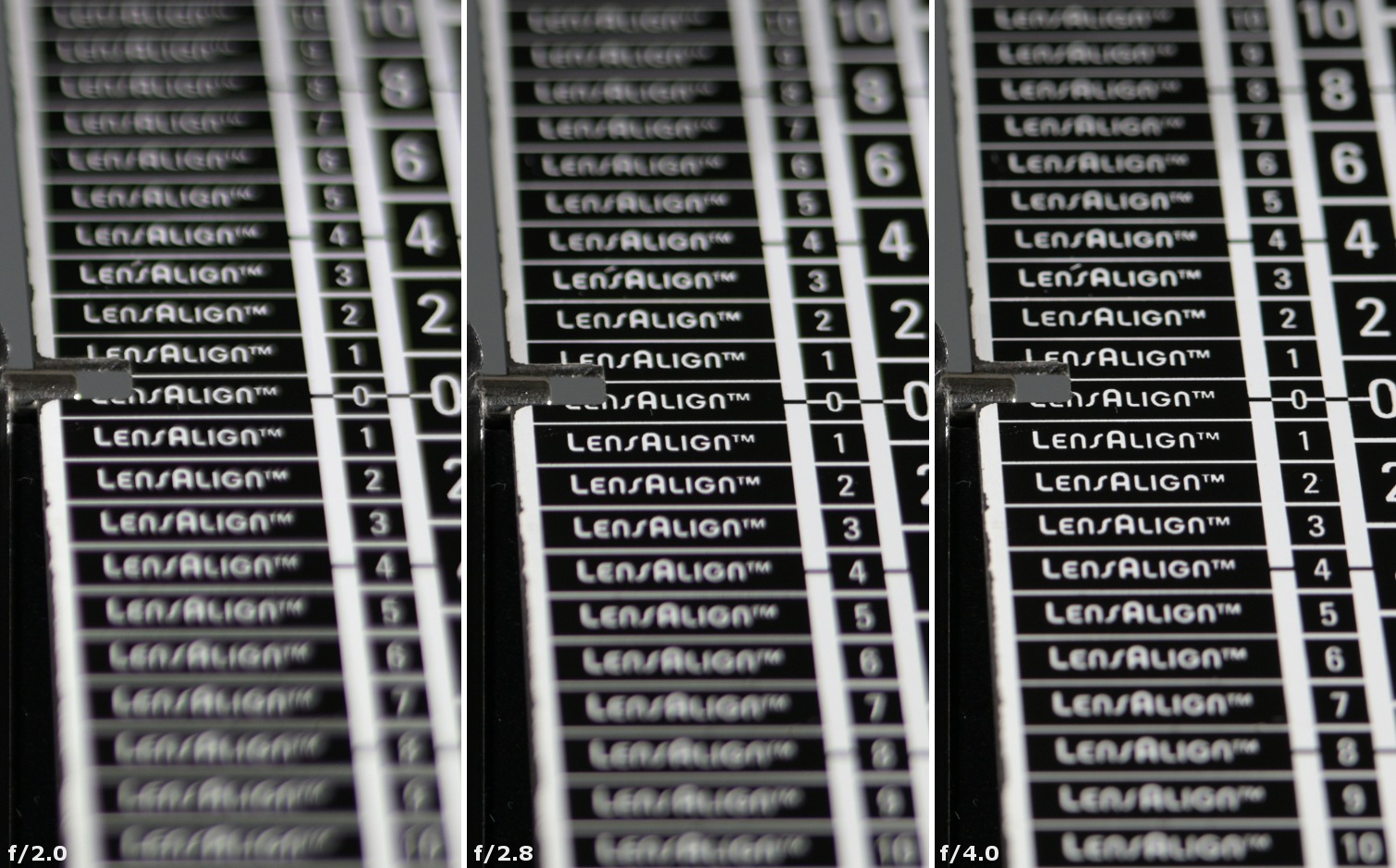
The simple optical design of the Voigtlander, which does not include any low-dispersion glass elements, might have suggested that we would encounter some problems with correcting longitudinal chromatic aberration. Fortunately, these concerns proved unfounded, as the Septon handles this aberration quite well. This is clearly visible in the photographs below, where even at the maximum relative aperture it is difficult to spot any significant coloration of the out-of-focus images.
 |
Let's now check how well transverse chromatic aberration is corrected. Its behavior depending on the aperture setting and the sensor used is illustrated in the graph below.
Please Support UsIf you enjoy our reviews and articles, and you want us to continue our work please, support our website by donating through PayPal. The funds are going to be used for paying our editorial team, renting servers, and equipping our testing studio; only that way we will be able to continue providing you interesting content for free. |
- - - - - - - - - - - - - - - - - - - - - - - - - - - - - - - - - - - - - - - - - - - - - - - -
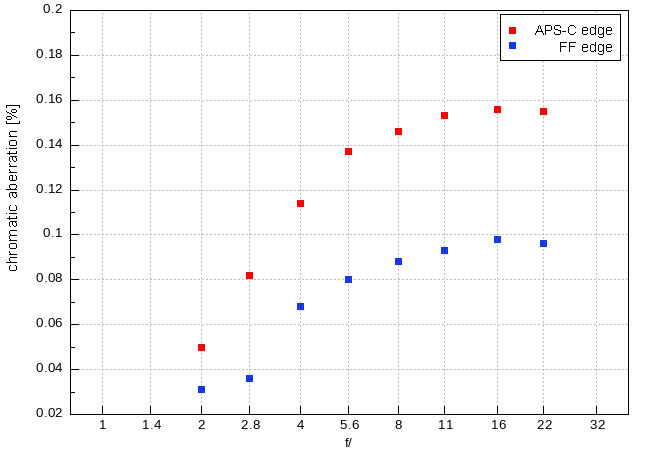
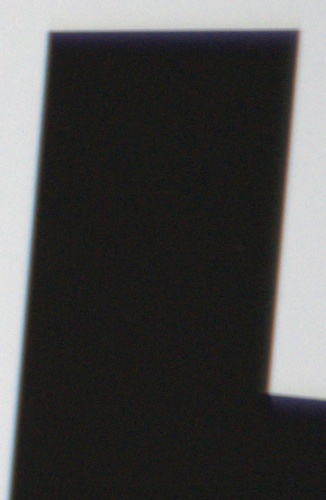
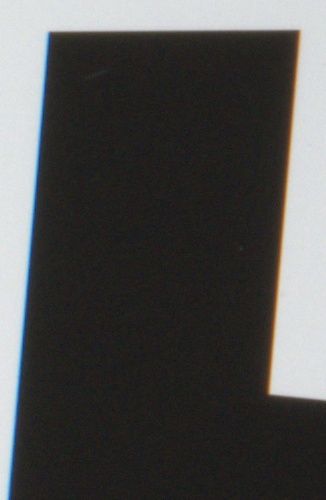
While at settings close to the maximum relative aperture, we are dealing with low and very low levels; at f/4.0 we start to observe moderate values. As the aperture is stopped down further, chromatic aberration increases rapidly and becomes even high at the edge of the APS-C/DX sensor, at apertures ranging from f/11 to f/22. The results in this category are therefore certainly nothing to write home about. It is also clear that the rapid increase in chromatic aberration as the aperture is stopped down is one of the major factors limiting the lens's resolution at the edge of the frame.
| Z8, RAW, f/2.0 | Z8, RAW, f/11.0 |
|
|
Spherical Aberration
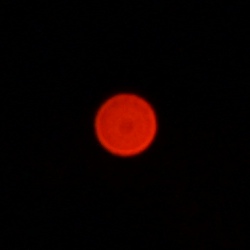
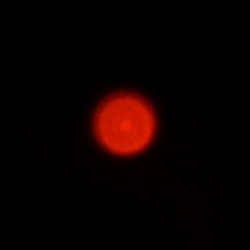
In the first photographs in this chapter, it is difficult to spot any focus shift. Problems with spherical aberration are, however, slightly visible in the appearance of the out-of-focus light discs obtained in front of and behind the focal plane. The first disc shows a slightly brighter rim, while the second has softer edges. However, it is difficult to conclude from this alone that the Septon has any significant problems with spherical aberration.
| Z8, f/2.0, before | Z8, f/2.0, after |
|
|