Sigma C 12 mm f/1.4 DC
5. Chromatic and spherical aberration
Chromatic aberration
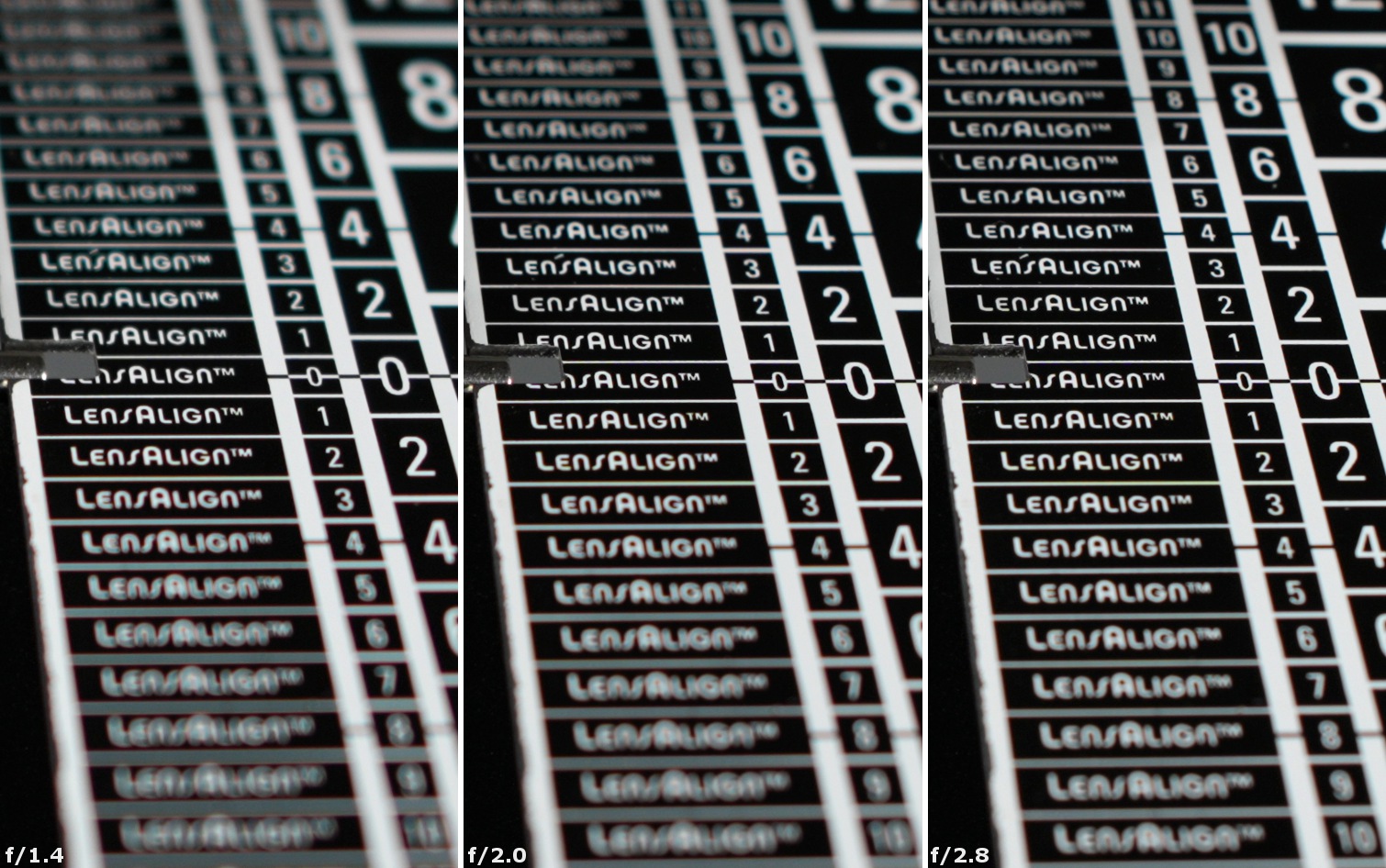
The 1.4/12 parameters certainly aren't easy to correct when it comes to longitudinal chromatic aberration. Still the Sigma took care of a complex optical construction, with 14 elements, two made of low dispersion glass among them. Because of that this aberration is corrected properly well and crops below show it clearly.Even at the maximum relative aperture the colouring of out-of-focus images is slight. It means in your photos you won't notice any negative effects connected to this aberration.
 |
Now let's check how the Sigma 1.4/12 corrects lateral chromatic aberration – an appropriate graph is shown below.
Please Support UsIf you enjoy our reviews and articles, and you want us to continue our work please, support our website by donating through PayPal. The funds are going to be used for paying our editorial team, renting servers, and equipping our testing studio; only that way we will be able to continue providing you interesting content for free. |
- - - - - - - - - - - - - - - - - - - - - - - - - - - - - - - - - - - - - - - - - - - - - - - -
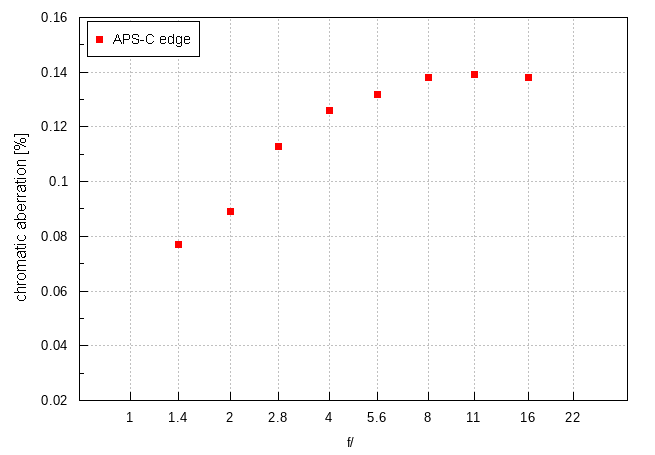
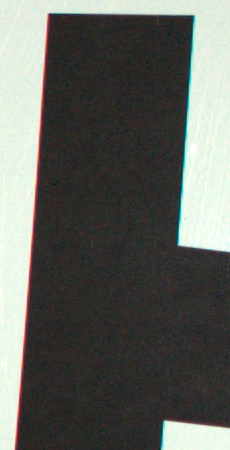
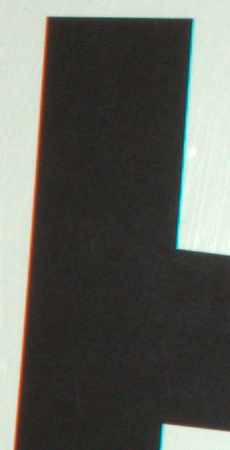
Here the results are noticeably weaker than in case of the longitudinal variant of this aberration. Lateral aberration increases very quickly on stopping down the aperture. At the maximum relative aperture it can be placed on the borderline between low and medium values, then it becomes medium, and on a more significant stopping down it approaches high levels. It's not a piece of good news, especially that its rivals performed much better. The Viltrox AF 13 mm f/1.4 showed a very low and constant level of about 0.03%, and the Sony E 11 mm f/1.8 had slightly higher result of 0.06-0.08% but still belonging to low values. Compared to that, the Sigma definitely didn't do too well.
| Sony A7R IIIa, RAW, f/1.4 | Sony A7R IIIa, RAW, f/11.0 |
|
|
Spherical aberration
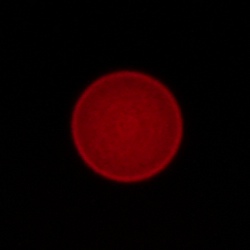
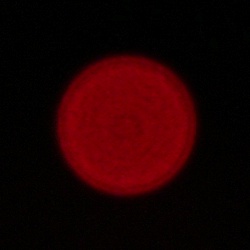
In first photos from this chapter you can notice a focus shift effect. With stooping down of the aperture the depth of field shifts towards greater distances, a classic symptom of spherical aberration.Also the appearance of defocused circles of light proves that spherical aberration is not corrected in a perfect way. The image before the focus comes with a brighter rim and the one behind the focus has soft edges.
| Sony A7R V, f/1.4, przed | Sony A7R V, f/1.4, za |
|
|
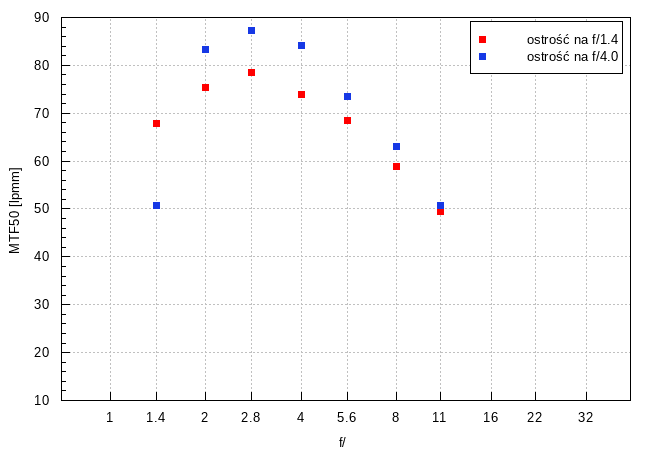
As if it wasn't enough, spherical aberration is also visible directly in our resolution measurements. When you set the focus by f/1.4 in the best possible position and then, without changing the focus settings, you start stopping down the lens, the MTFs are going to increase but they won't reach their maximum values, stopping before they reach 80 lpmm. When you set the focus in the best possible position by f/4.0 and, once again, without moving it, you are going to measure the resolution by other apertures, in the range from f/2.0 to f/4.0 the lens is able to exceed 80 lpmm and, momentarily it can even approach 90 lpmm. At the same time the result by f/1.4 can slightly exceed 50 lpmm so it is by almost 20 lpmm lower than the maximum results you are able to get at this aperture. Such a performance shows very clearly that the Sigma experiences noticeable problems with spherical aberration.