Sigma C 12 mm f/1.4 DC
7. Coma, astigmatism and bokeh
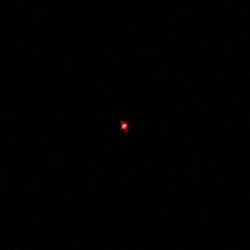
| A7R V, f/1.4, centre | A7R V, f/1.4, Corner |
|
|
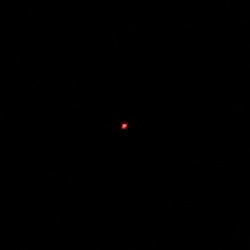
| A7R V, f/2.0, centre | A7R V, f/2.0, Corner |
|
|
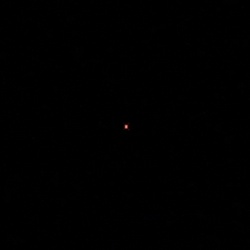
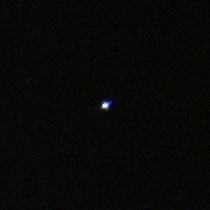
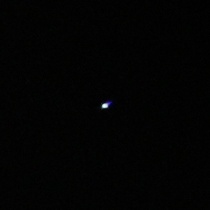
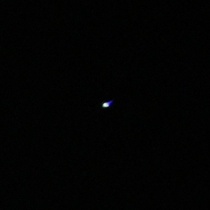
In order to make the situation clear and comprehensive we decided to present also crops taken from photos of the sky taken from the upper right-hand corner of full frame. This time we show shots by f/1.4, f/2.0 and f/2.8. This tests confirms our earlier conclusions – the Sigma 1.4/12 corrects coma quite well.
Please Support UsIf you enjoy our reviews and articles, and you want us to continue our work please, support our website by donating through PayPal. The funds are going to be used for paying our editorial team, renting servers, and equipping our testing studio; only that way we will be able to continue providing you interesting content for free. |
- - - - - - - - - - - - - - - - - - - - - - - - - - - - - - - - - - - - - - - - - - - - - - - -
| Corner, f/1.4 | Corner, f/2.0 | Corner, f/2.8 |
|
|
|
Astigmatism, understood as an average difference between horizontal and vertical MTF50 function values, amounted to 3.7%. It's a value considered by us as very low so once again in this category the Sigma's performance should be praised.
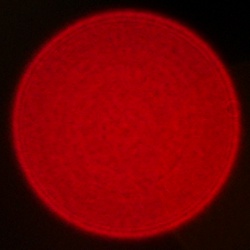
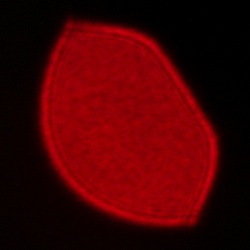
Defocused circles of light look really well for an ultra wide angle lens. You can notice only very delicate onion ring bokeh despite as many as three aspherical elements inside. Circles are devoid of any significant local extreme points; the only thing you see without any problems is a brighter rim and its intensity increases slightly on stopping down.
Small dimensions of the lens make themselves felt when it comes to mechanical vignetting, perfectly visible by f/1.4 and f/2.0. What's more, it remains slightly accented even by f/2.8.
| A7R V, f/1.4, centre | A7R V, f/1.4, Corner |
|
|
| A7R V, f/2.0, centre | A7R V, f/2.0, Corner |
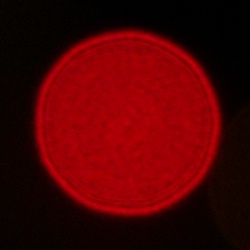
|
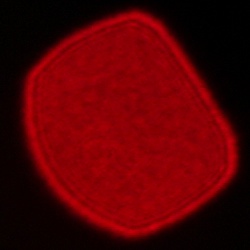
|
| A7R V, f/2.8, centre | A7R V, f/2.8, Corner |
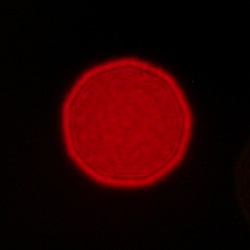
|
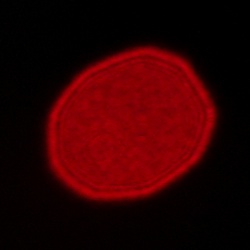
|