Nikon Nikkor Z 35 mm f/1.2 S
11. Summary
Please Support UsIf you enjoy our reviews and articles, and you want us to continue our work please, support our website by donating through PayPal. The funds are going to be used for paying our editorial team, renting servers, and equipping our testing studio; only that way we will be able to continue providing you interesting content for free. |
- - - - - - - - - - - - - - - - - - - - - - - - - - - - - - - - - - - - - - - - - - - - - - - -
Pros:
- very solid, closed, and weather-sealed mechanical construction,
- sensational resolution in frame centre,
- good resolution on the edge of the APS-C/DX sensor.
- practically zero level of longitudinal chromatic aberration,
- moderate lateral chromatic aberration,
- lack of problems with distortion,
- nice out-of-focus areas,
- moderate vignetting on the smaller APS-C/DX sensor,
- excellent performance against bright light,
- very low focus breathing,
- quite silent and very accurate autofocus.
Cons:
- huge vignetting on full frame near the maximum relative aperture,
- intemperance in dimensions, weight, and price.
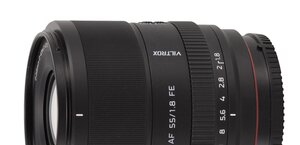
The final result? The line-up of 35 mm Nikon lenses looks strange. The most expensive and the biggest model from this producer is defeated by the Viltrox, a model three times cheaper. The slower Nikkor Z 35 mm f/1.8 S is optically and mechanically excellent but too expensive for its aperture fastness, costing nowadays almost $750. The cheapest Nikkor Z 35 mm f/1.4 is made of plastics, and its performance is burdened with a lot of compromises, too many to call it a well-put-together lens.
If I were a Nikon system user, I would have many problems with choosing a 35 mm instrument. I bet I would end up buying a third-party producer model.
After so many bitter remarks, we have to add one very important thing: overall, the Nikkor Z 35 mm f/1.2 S is a lens that is able to provide images of very high quality. I am sure its users will appreciate the whole array of possibilities this lens can offer. If you compare its pros and cons lists, you see that it is a very solid, well-put-together lens, but from a model of this price-quality class, I would have expected nothing less.