Nikon Nikkor Z 35 mm f/1.2 S
7. Coma, astigmatism and bokeh
| Center, f/1.2 | Corner APS-C, f/1.2 | Corner FF, f/1.2 |
|
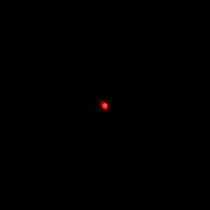
|
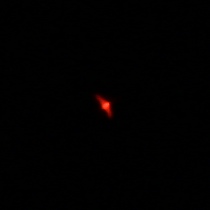
|
| Center, f/1.8 | Corner APS-C, f/1.8 | Corner FF, f/1.8 |
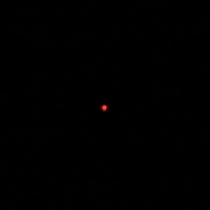
|
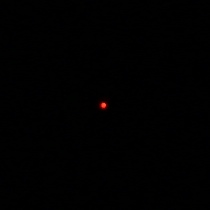
|
|
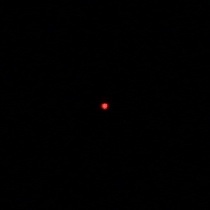
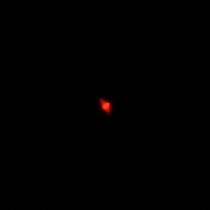
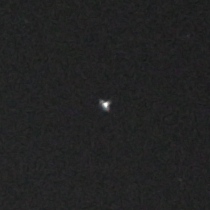
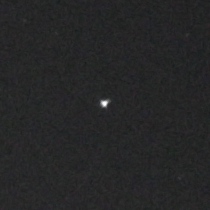
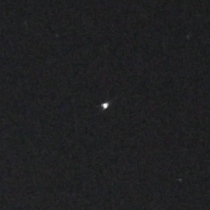
To make our test more comprehensive, we decided to show crops taken from photos of night sky taken from the right-hand upper corner of full frame. This time we show images taken by f/1.2, f/1.8, and f/2.5. This time the deformation of the point-like source of light in a form of a star is visible as well but not so pronounced as in case of a diode, described earlier.
Please Support UsIf you enjoy our reviews and articles, and you want us to continue our work please, support our website by donating through PayPal. The funds are going to be used for paying our editorial team, renting servers, and equipping our testing studio; only that way we will be able to continue providing you interesting content for free. |
- - - - - - - - - - - - - - - - - - - - - - - - - - - - - - - - - - - - - - - - - - - - - - - -
| Corner FF, f/1.2 | Corner FF, f/1.8 | Corner FF, f/2.5 |
|
|
|
Astigmatism, understood as an average difference between horizontal and vertical MTF50 function values, amounted to 13.2%, a value considered to be medium. Still, we should emphasize the fact that the aberration, described here, makes itself felt only by f/1.2 and f/1.4; by f/2.0 it disappears almost completely.
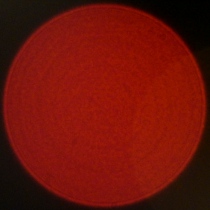
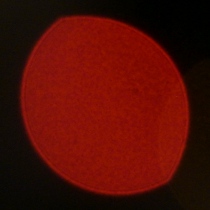
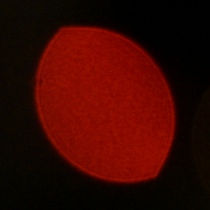
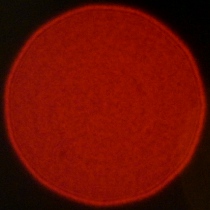
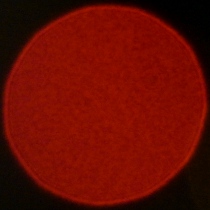
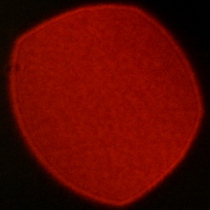
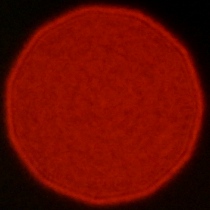
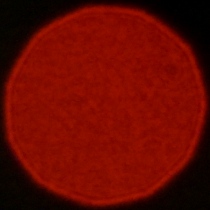
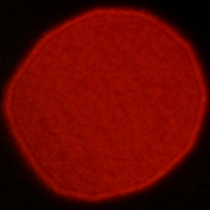
Considering the fact that the optical construction of the tested Nikkor is simply larded with as many as four aspherical elements, we expected that it would be difficult to ensure nice out-of-focus areas and avoid onion ring bokeh. Still, we admit that the final result is good, with an even spread of light in the rings, onion ring bokeh barely visible, and a brighter rim only slightly accented.
| Center, f/1.2 | Corner APS-C, f/1.2 | Corner FF, f/1.2 |
|
|
|
| Center, f/1.8 | Corner APS-C, f/1.8 | Corner FF, f/1.8 |
|
|
|
Center, f/2.5 | Corner APS-C, f/2.5 | Corner FF, f/2.5 |
|
|
|