Viltrox AF 50 mm f/1.4 Pro
11. Autofocus and focus breathing
Autofocus
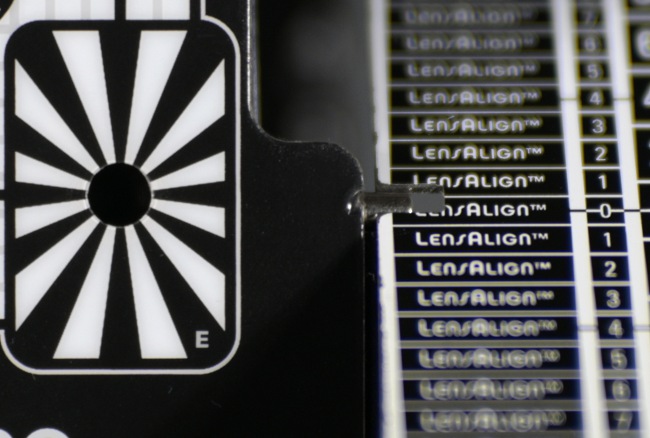
The tested lens is equipped with the Hyper VCM motor, so focusing is supposed to be silent and quick. When it comes to the level of noise indeed, we have no reservations whatsoever – during focusing the lens is practically noiseless. When it comes to the speed we can't call the Viltrox a speed demon, but its results are really sensible. A typical time of focusing and confirming the focus amounts to about 0.5 of a second and it concerns both bodies we employed in our test, the Nikon Z7 and the Nikon Z8.The accuracy of the autofocus was good but not outstanding. There were misses both during our studio test and testing outdoors, but their number kept 5-10%. When it comes to front or back focus tendencies, we didn't notice any of them on any of bodies used in our test.
| Nikon Z8, f/1.4 |
 |
Focus breathing
Focus breathing tests show reframing images as you oversharp them. We conduct the test by manually passing from the minimum focusing distance to infinity with the aperture stopped down; then we check how the field of view of the lens changed as a result.
Please Support UsIf you enjoy our reviews and articles, and you want us to continue our work please, support our website by donating through PayPal. The funds are going to be used for paying our editorial team, renting servers, and equipping our testing studio; only that way we will be able to continue providing you interesting content for free. |
- - - - - - - - - - - - - - - - - - - - - - - - - - - - - - - - - - - - - - - - - - - - - - - -
A frame change ranging from 0 to 5%, we consider to be low. Between 5 and 10%, you can speak about medium levels. Usually such values also constitute the maximum efficiency level of any breathing compensation algorithms, present in some bodies. Between 10 and 15% focus breathing is high; above 15%, its level can be called very high.
Below we present the test video of the Viltrox lens:
It is a strange performance, but as long as in absolute values it oscillates around 1% (or even 2% if you sum up the movement in both directions), we are firmly speaking about negligible levels. It seems in practical situations this aberration shouldn't cause you any problems even if it is a tad unusual.