Sigma C 15 mm f/1.4 DC
5. Chromatic and spherical aberration
Chromatic aberration
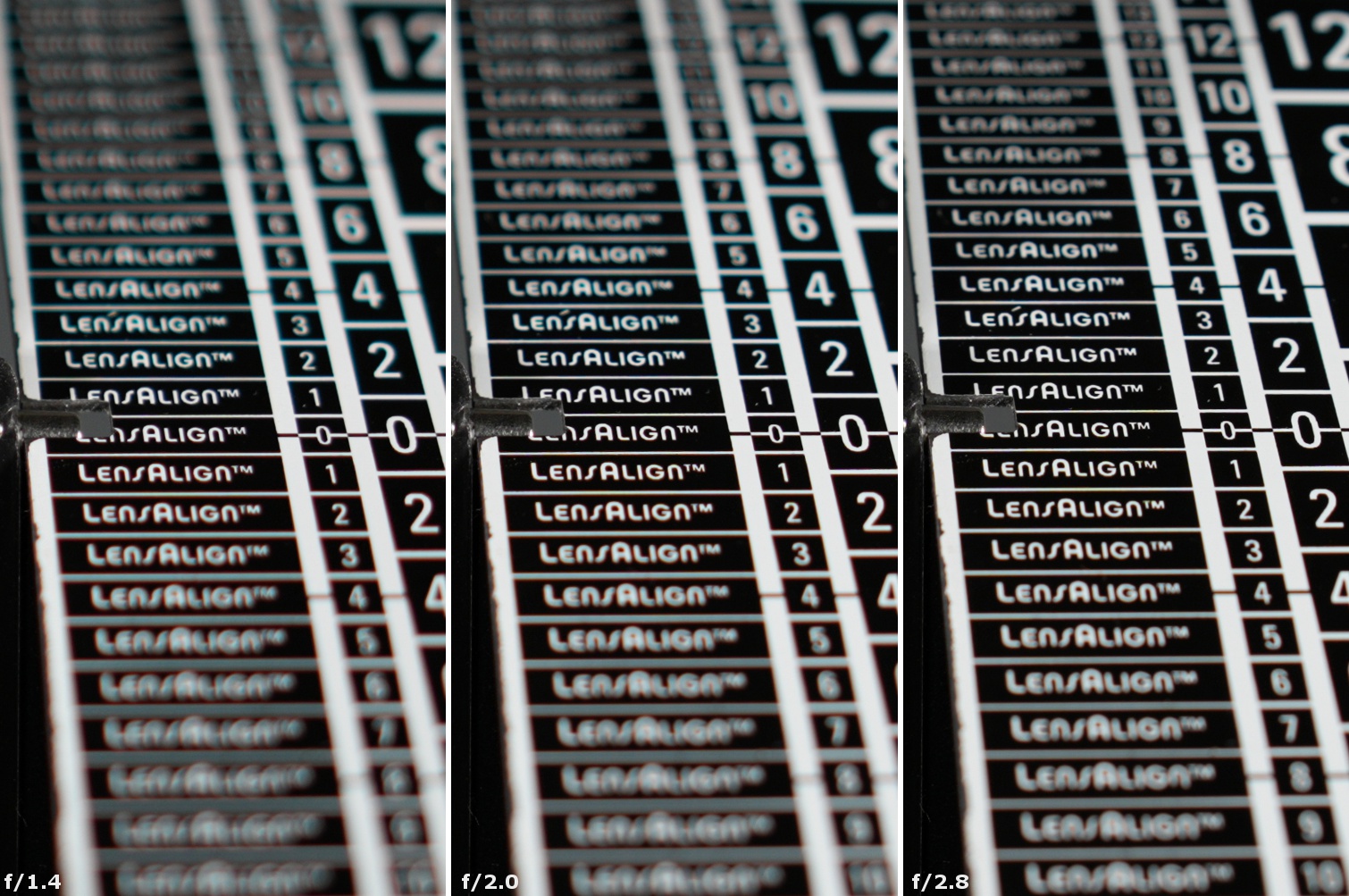
When it comes to the tested model, the producers weren't skimpy with low dispersion glass elements. It means that problems with correction of chromatic aberration would be very unlikely and it is indeed the case.When it comes to the longitudinal variant of this aberration, you can notice slight colouring only near the maximum relative aperture and in the areas positioned far away. Behind the focus you see a slightly greenish hue and before the focus there are some reddish reflexes. These effects aren't especially pronounced and shouldn't worry us in real life photos.
 |
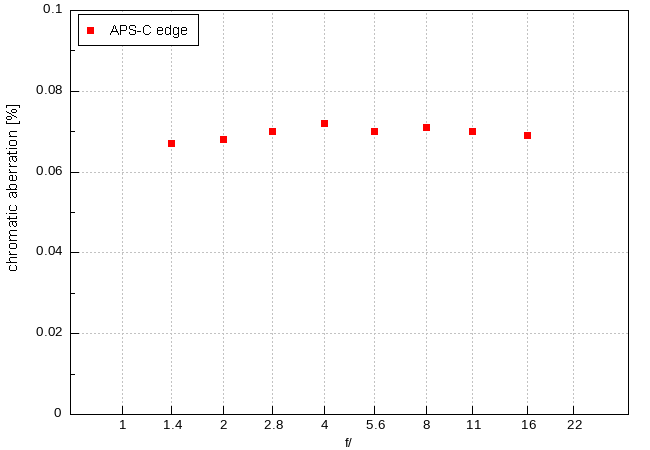
Now let's check how the Sigma C 15 mm f/1.4 DC corrects lateral chromatic aberration – an appropriate graph you can find below.
Please Support UsIf you enjoy our reviews and articles, and you want us to continue our work please, support our website by donating through PayPal. The funds are going to be used for paying our editorial team, renting servers, and equipping our testing studio; only that way we will be able to continue providing you interesting content for free. |
- - - - - - - - - - - - - - - - - - - - - - - - - - - - - - - - - - - - - - - - - - - - - - - -
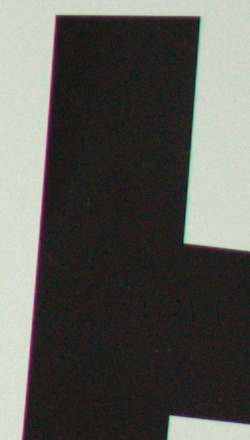
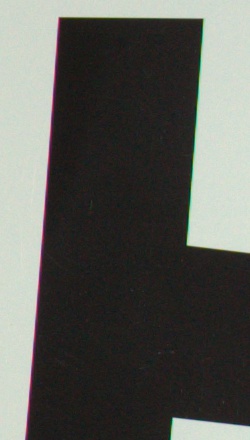
In this case the aberration practically doesn't depend on the aperture values and keeps a constant level of about 0.07%. It is a level we consider to be low so we have no reservations in this area. Still the predecessor of the tested lens showed values ranging from 0.05% to 0.07% so you can say there is a slight worsening of the performance.
A slightly different situation could be noticed in case of the Sony where the aberration increased from less than 0.06% at the maximum relative aperture to near 0.09% on more distinct stopping down of the aperture. Overall the results of the Sony are a tad weaker than the results of both Sigma lenses.
| Sony A7R IIIa, RAW, f/1.4 | Sony A7R IIIa, RAW, f/4.0 |
|
|
Spherical aberration
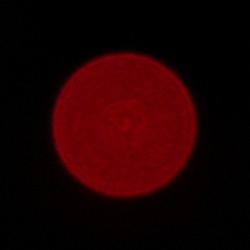
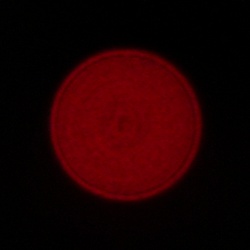
In the first photos of this chapter, you cannot notice any focus shift effect and it strongly suggests that the tested lens doesn't have any serious problems with spherical aberration. Two other observations confirm that hypothesis. Firstly, images of defocused circles of light we got before and behind the focal point don't significantly differ from each other. Secondly, the resolution presented by the Sigma up from the maximum relative aperture in the frame centre excludes a high level of spherical aberration.In this category the Sigma C 15 mm f/1.4 DC deserves to be praised once again.
| Sony A7R V, f/1.4, before | Sony A7R V, f/1.4, after |
|
|