Panasonic Lumix S 100 mm f/2.8 Macro
5. Chromatic and spherical aberration
Chromatic aberration
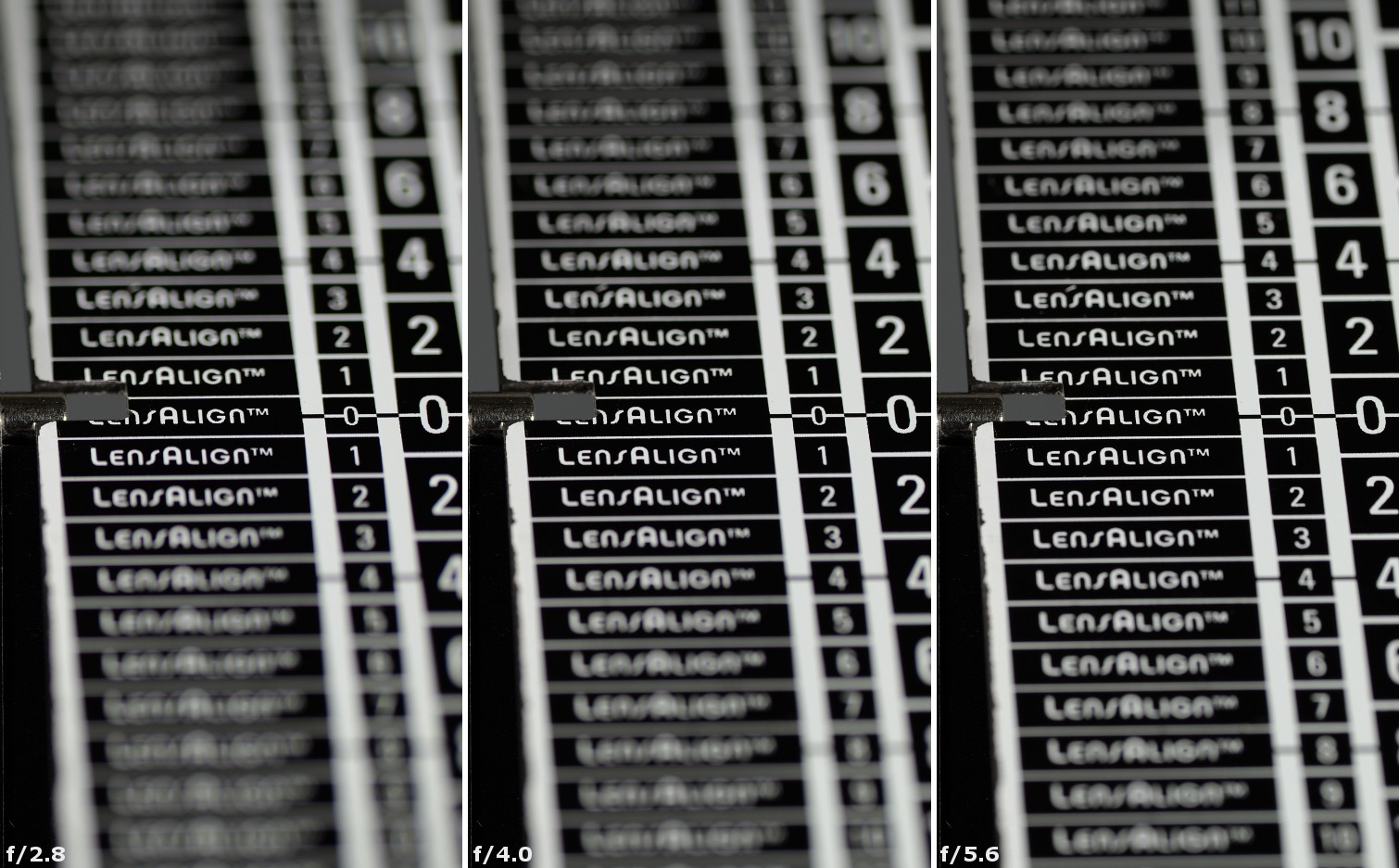
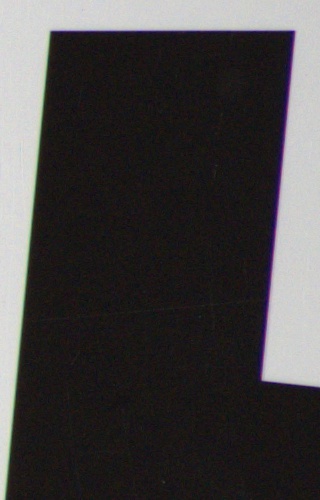
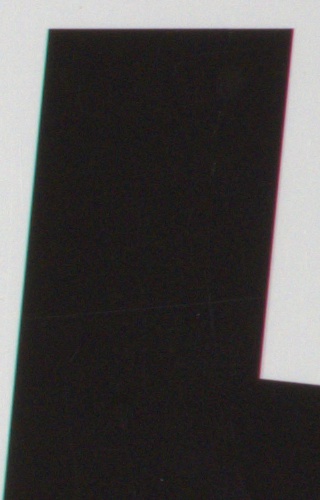
The use of low-dispersion glass elements in the optical design has had a positive effect on the correction of chromatic aberration. Longitudinal chromatic aberration is practically imperceptible, as clearly demonstrated by the images below.
 |
Let us also examine the correction of lateral chromatic aberration. The graph below will help us assess this.
Please Support UsIf you enjoy our reviews and articles, and you want us to continue our work please, support our website by donating through PayPal. The funds are going to be used for paying our editorial team, renting servers, and equipping our testing studio; only that way we will be able to continue providing you interesting content for free. |
- - - - - - - - - - - - - - - - - - - - - - - - - - - - - - - - - - - - - - - - - - - - - - - -
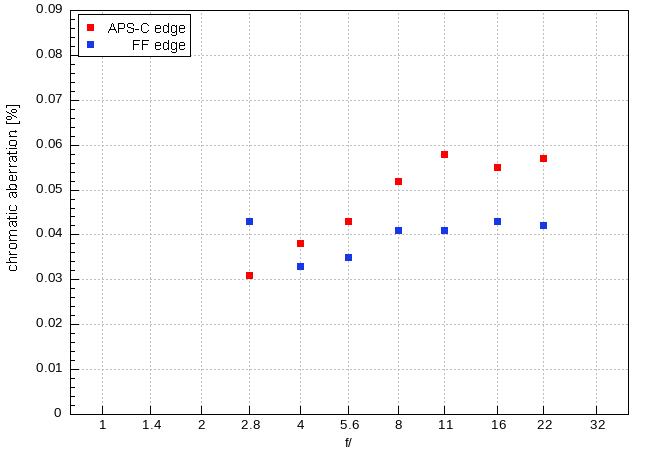
Virtually all our results fall within the range of 0.03 to 0.06%, placing them on the borderline between very low and low levels. We therefore have no reservations in this respect. It is worth noting, however, that the vast majority of macro lenses we have tested have delivered similarly good results. Moreover, the competing Sigma was capable of achieving even better results, maintaining an almost constant level of 0.02%.
| S1R II, 100 mm, RAW, f/2.8 | S1R II, 100 mm, RAW, f/11 |
|
|
Spherical aberration
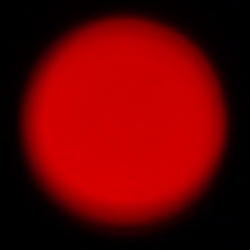
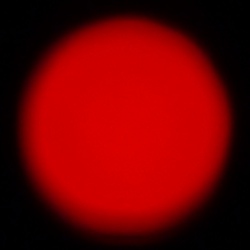
The first images in this section show no focus shift. The effects of spherical aberration are also absent from the defocused light discs captured in front of and behind the focal plane. In this case, both discs have darker edges. Combined with the good image resolution at the centre of the frame, even at or near the maximum aperture, this allows us to conclude that the Panasonic S 100 mm f/2.8 Macro corrects spherical aberration effectively.
| S1R II, 100 mm, f/2.8, before | S1R II, 100 mm, f/2.8, after |
|
|