Viltrox AF 26 mm f/2.8 EVO
10. Autofocus and focus breathing
Autofocus
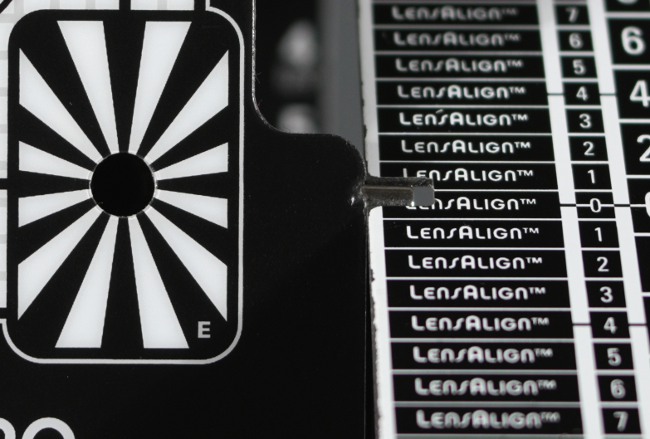
We tested the autofocus of the Viltrox AF 26 mm f/2.8 EVO by mounting it on the Sony A7R IIIa and A7R V camera bodies. In both cases, the mechanism operated rather slowly, as traversing the entire focusing range and confirming focus took 0.8-1.1 seconds. With the older A7R IIIa body, we observed additional oscillations near the correct focus position, which further increased the operating time. The autofocus is not silent either, as a slight buzzing can be heard while it is working.However, we did not observe any significant problems with the accuracy of the mechanism, although the specifications of the tested lens may have helped considerably here, as in most applications they provide a large depth of field and are forgiving of minor focusing errors.
We also noticed no tendency to focus in front of or behind the intended subject.
Please Support UsIf you enjoy our reviews and articles, and you want us to continue our work please, support our website by donating through PayPal. The funds are going to be used for paying our editorial team, renting servers, and equipping our testing studio; only that way we will be able to continue providing you interesting content for free. |
- - - - - - - - - - - - - - - - - - - - - - - - - - - - - - - - - - - - - - - - - - - - - - - -
| A7R IIIa, f/2.8 |
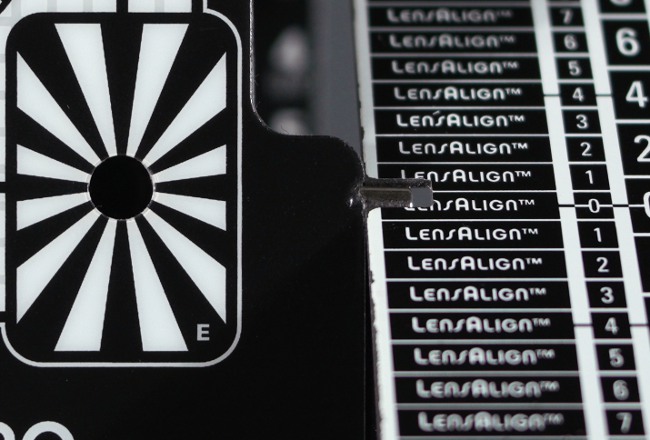 |
| A7R V, f/2.8 |
 |
Focus Breathing
To test focus breathing, i.e. changes in the content of the frame when shifting focus, we manually rack focus with the aperture stopped down, from infinity to the minimum focusing distance, and check how much the lens's field of view changes as a result.
We consider changes in framing of 0 to 5% to be small. Between 5 and 10%, we classify the level as moderate. These are also typically the maximum values that breathing compensation algorithms found in some camera bodies can handle. Between 10 and 15%, we classify the level as high, while values above 15% are considered very high.
The test recording for the lens in question is shown below:
Based on the recording above, by comparing frames captured before and after refocusing, we can estimate that the tested lens exhibits approximately 18% focus breathing. This is therefore a very high level of this effect, causing the focal length measured at infinity to be 25.2 mm to effectively increase to nearly 30 mm at the minimum focusing distance.