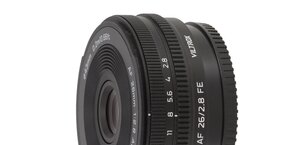
Viltrox AF 26 mm f/2.8 EVO
7. Coma, astigmatism and bokeh
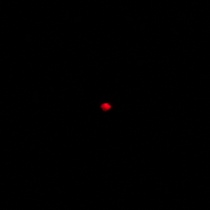
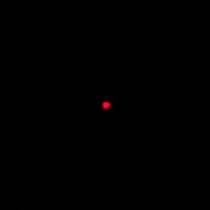
| Center, f/2.8 | APS-C corner, f/2.8 | FF corner, f/2.8 |
|
|
|
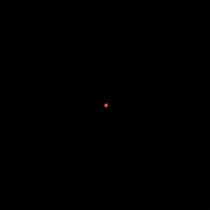
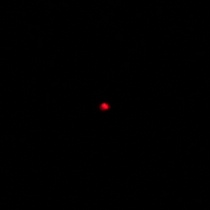
| Center, f/4.0 | APS-C corner, f/4.0 | FF corner, f/4.0 |
|
|
|
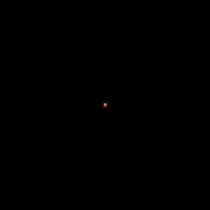
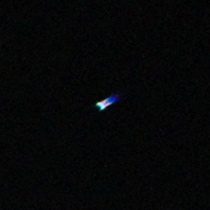
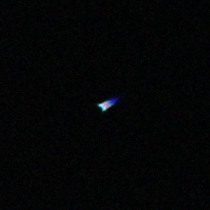
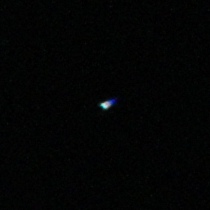
To provide a more complete picture of the lens's performance in this category, we also decided to present crops from photographs of the sky, taken from the upper-right corner of the full-frame sensor. This time, however, we show images captured at f/2.8, f/4.0, and f/5.6. The star test proved somewhat more demanding, and coma was slightly more noticeable in these images.
Please Support UsIf you enjoy our reviews and articles, and you want us to continue our work please, support our website by donating through PayPal. The funds are going to be used for paying our editorial team, renting servers, and equipping our testing studio; only that way we will be able to continue providing you interesting content for free. |
- - - - - - - - - - - - - - - - - - - - - - - - - - - - - - - - - - - - - - - - - - - - - - - -
| FF corner, f/2.8 | FF corner, f/4.0 | FF corner, f/5.6 |
|
|
|
Astigmatism, defined as the mean difference between the horizontal and vertical MTF50 values, measured 2.4%. This is a very low value, so the Viltrox deserves praise in this category as well.
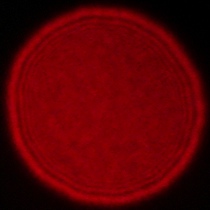
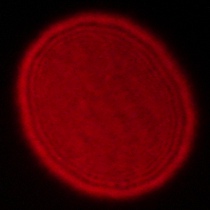
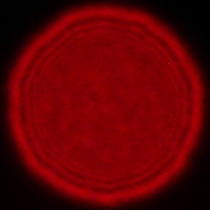
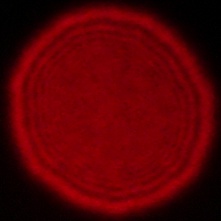
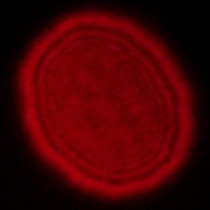
The out-of-focus highlights produced by the Viltrox 26 mm f/2.8 look quite good. Its optical design uses as many as two aspherical elements, yet there is no noticeable onion-ring bokeh effect. One minor issue, however, is a brighter rim consisting of as many as three concentric rings.
Another problem is mechanical vignetting, which was to be expected given the dimensions of the lens under test. It is pronounced at the maximum aperture and remains noticeable even when stopping down by 2 EV, although its impact is then moderate.
| Center, f/2.8 | APS-C corner, f/2.8 | FF corner, f/2.8 |
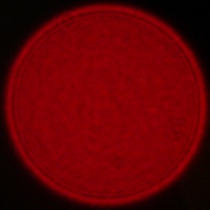
|
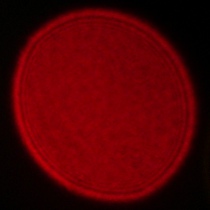
|
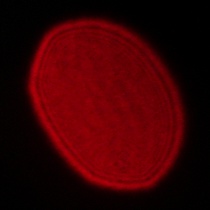
|
| Center, f/4.0 | APS-C corner, f/4.0 | FF corner, f/4.0 |
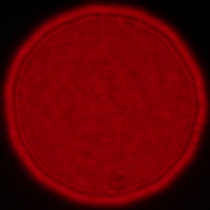
|
|
|
Center, f/5.6 | APS-C corner, f/5.6 | FF corner, f/5.6 |
|
|
|