LensTip.com

Lens review

Samyang AF 24-60 mm f/2.8 FE
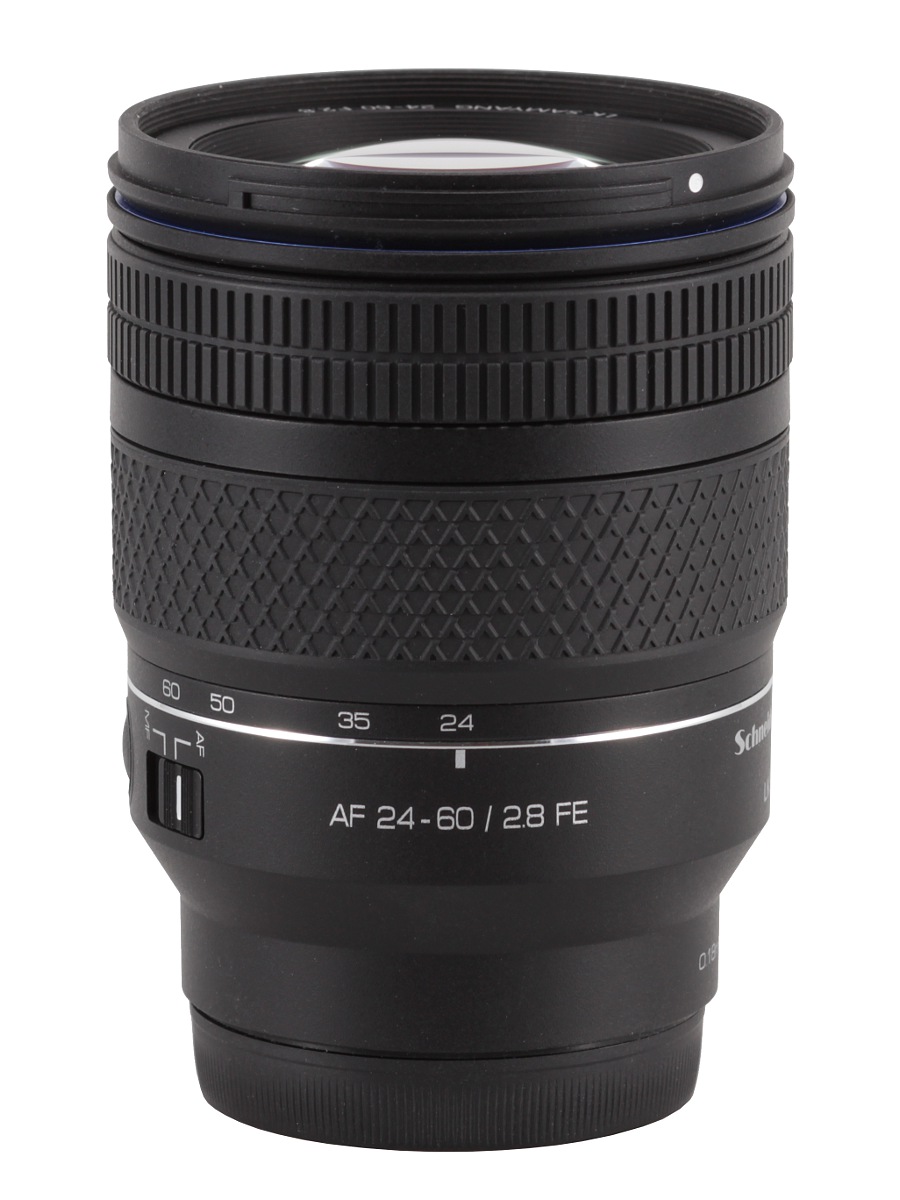
Samyang AF 24-60 mm f/2.8 FE
14 September 2026
Maciej Latałło

1. Introduction

The history of universal zoom lenses as fast as f/2.8 started with 35-70 mm models that, as optics evolved, turned into 28-70 mm and then into 24-70 mm class instruments. The last group soon became a grounded standard in the whole era of DSLR cameras and then mirrorless cameras.

Samyang AF 24-60 mm f/2.8 FE - Introduction

What's interesting, lately this history started to repeat itself. Producers of optics, in order to stick out on the market, started to offer 28-70 or 28-75 models instead of usually very expensive 24-70 mm f/2.8 lenses. Some of them limited the range on the other end and, as a result, we saw such launches as 24-50 or 24-60 mm.

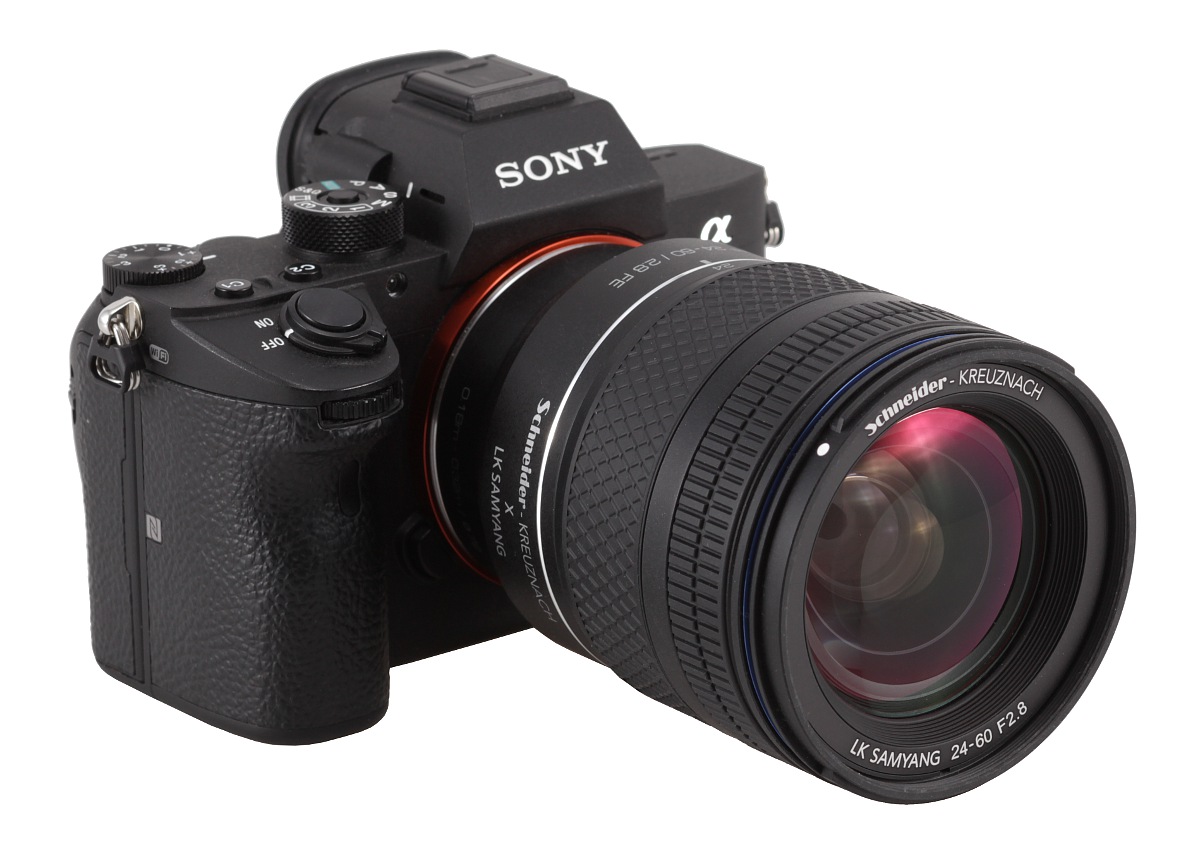
The Samyang AF 24-60 mm f/2.8 FE, presented in September 2025, is the newest example of a model with such parameters. It hit the market shelves with a price of $730, so it's even several times cheaper than some of the top 24-70 mm models. It is a result of cooperation with Schneider-Kreuznach, the second such lens from this producer. The first one, the Samyang AF 14-24 mm f/2.8 FE, we've already had an opportunity to test.


Please Support Us

If you enjoy our reviews and articles, and you want us to continue our work please, support our website by donating through PayPal. The funds are going to be used for paying our editorial team, renting servers, and equipping our testing studio; only that way we will be able to continue providing you interesting content for free.

- - - - - - - - - - - - - - - - - advertisement - - - - - - - - - - - - - - - - -

- - - - - - - - - - - - - - - - - - - - - - - - - - - - - - - - - - - - - - - - - - - - - - - -
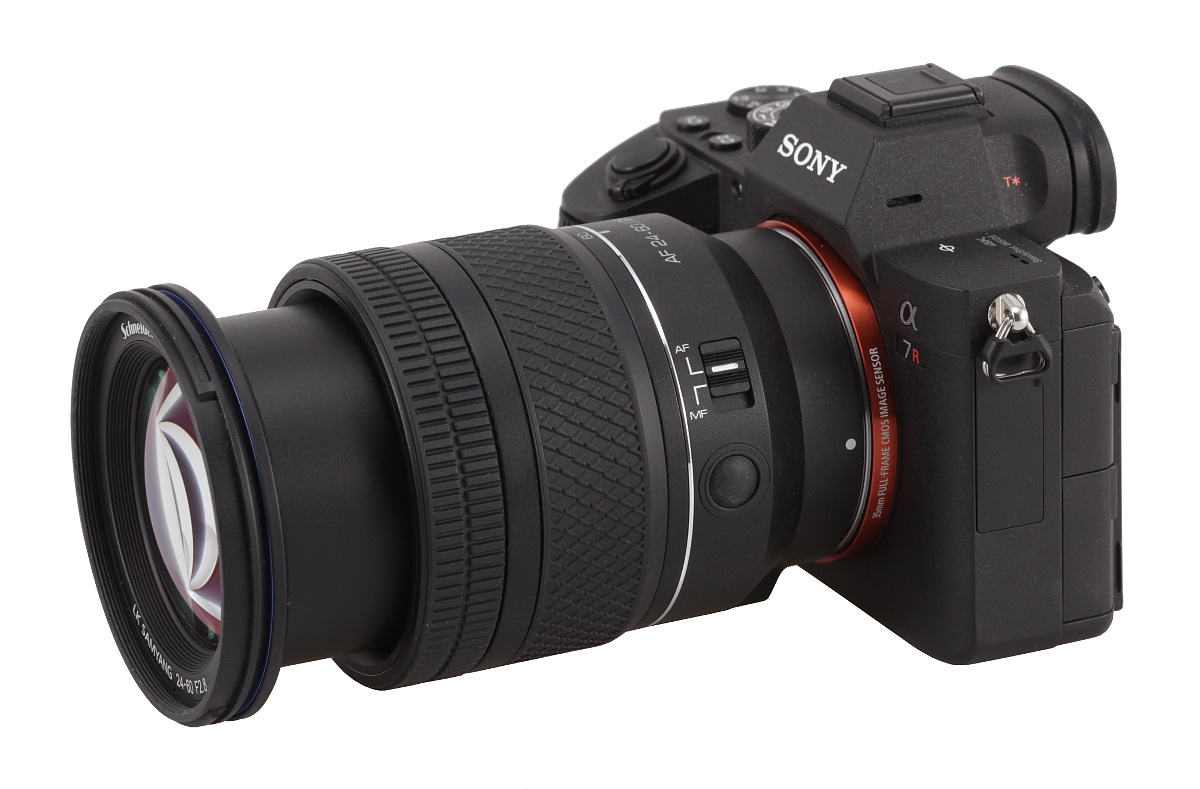
Samyang AF 24-60 mm f/2.8 FE - Introduction

The new Samyang seems to be a very tempting option, with a potential for a very good price/performance ratio. Courtesy of Focus Nordic, a Samyang distributor for Poland, we were given an opportunity to check how it fares; our impressions you can find in the following chapters – enjoy your lecture!