Sony FE 200-600 mm f/5.6-6.3 G OSS
5. Chromatic and spherical aberration
Chromatic aberration
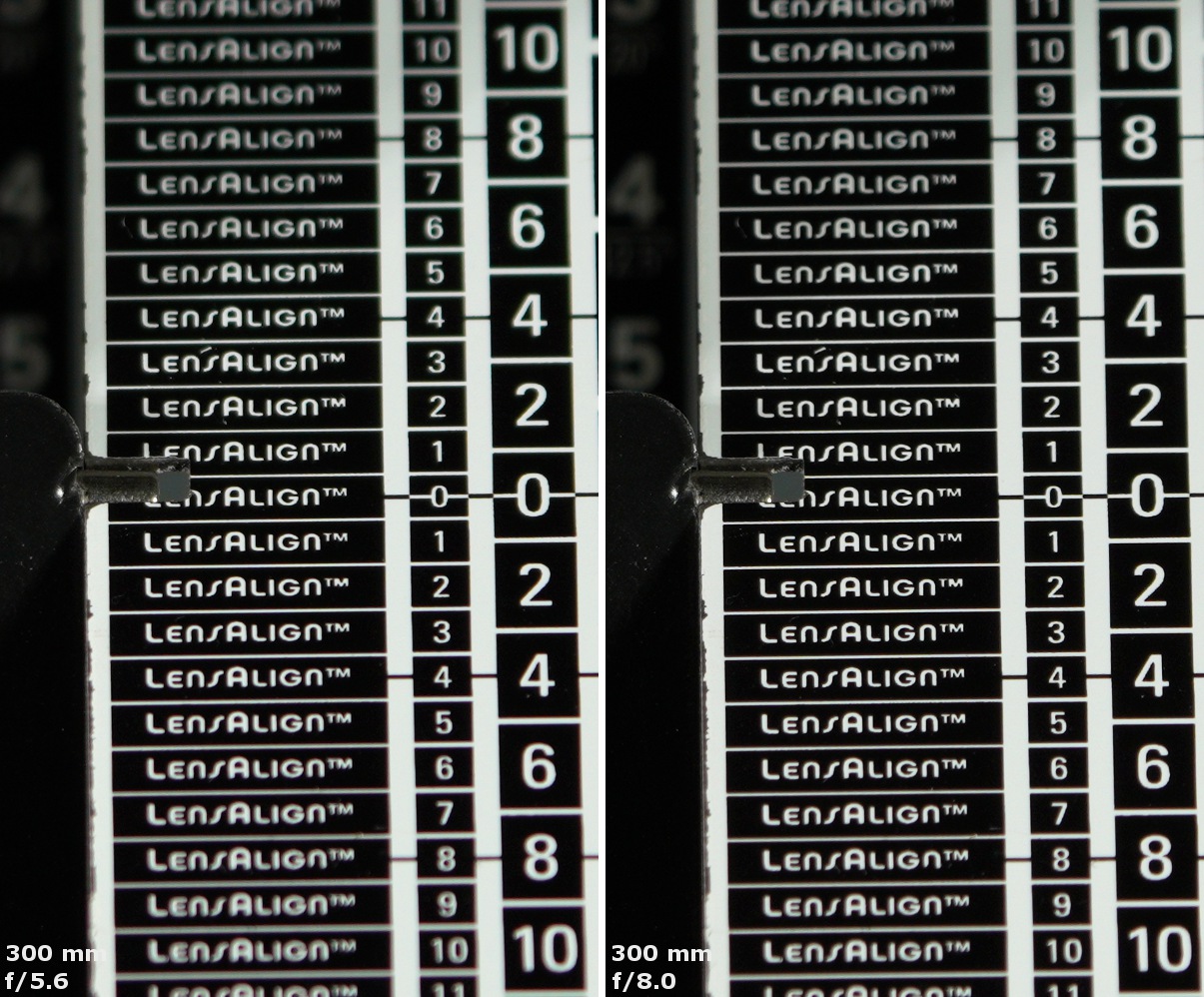
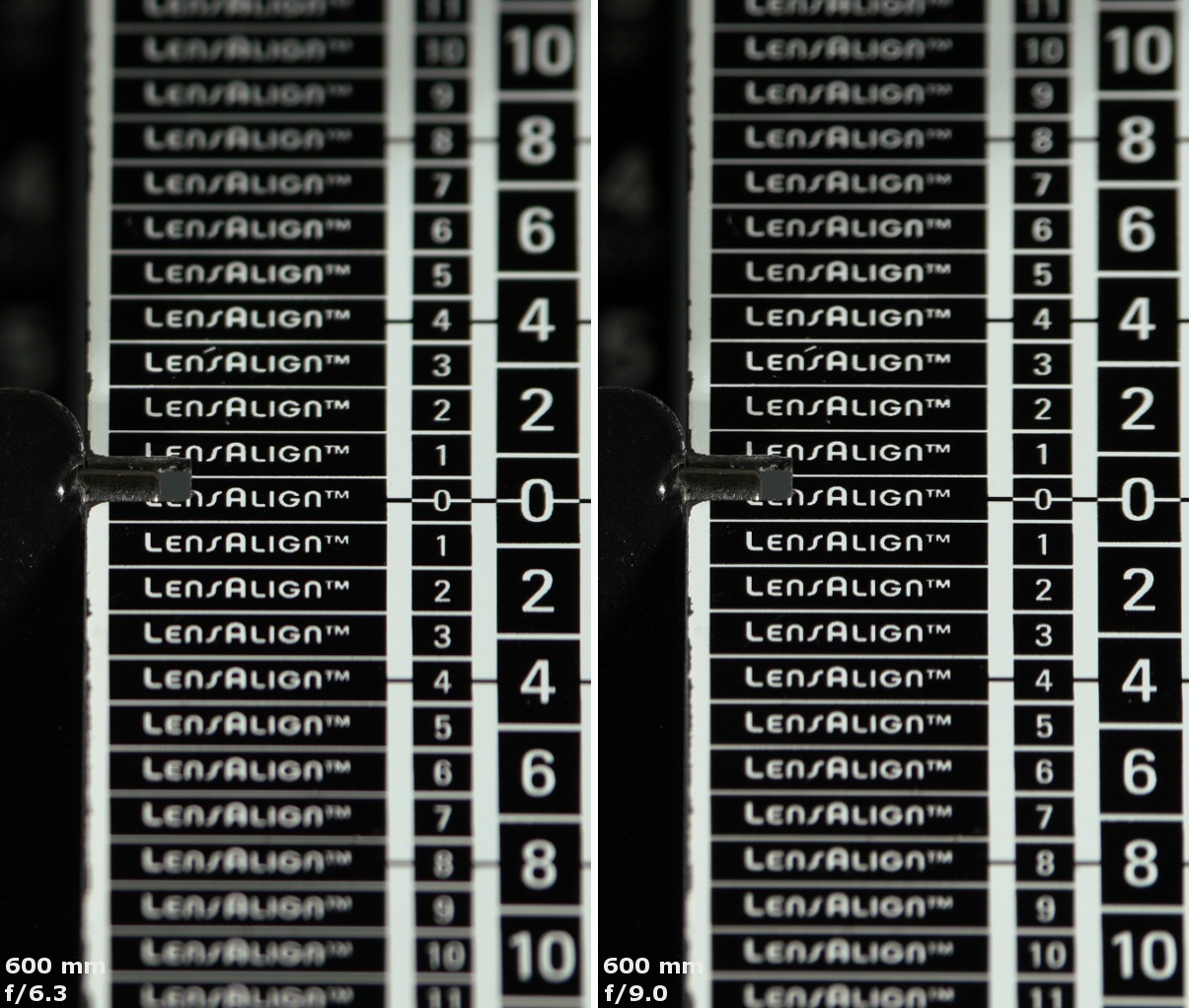
The optical construction of the Sony FE 200-600 mm f/5.6-6.3 G OSS is simply larded with low dispersion glass elements so we didn't expect any problems when it comes to correction of longitudinal chromatic aberration.Photos below show very clearly that indeed, there are no such problems. The aberration is corrected in a proper way and even at the maximum relative aperture it's difficult to notice any colouring in out-of-focus areas, no matter what focal length you employ.
 |
Please Support UsIf you enjoy our reviews and articles, and you want us to continue our work please, support our website by donating through PayPal. The funds are going to be used for paying our editorial team, renting servers, and equipping our testing studio; only that way we will be able to continue providing you interesting content for free. |
- - - - - - - - - - - - - - - - - - - - - - - - - - - - - - - - - - - - - - - - - - - - - - - -
 |
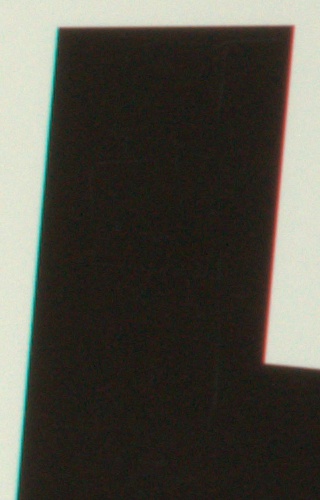
Now let's check the correction of the lateral chromatic aberration – a graph below presents the performance of the Sony 200-600 mm depending on the focal length and aperture values at the edge of the APS-C sensor and the edge of full frame.
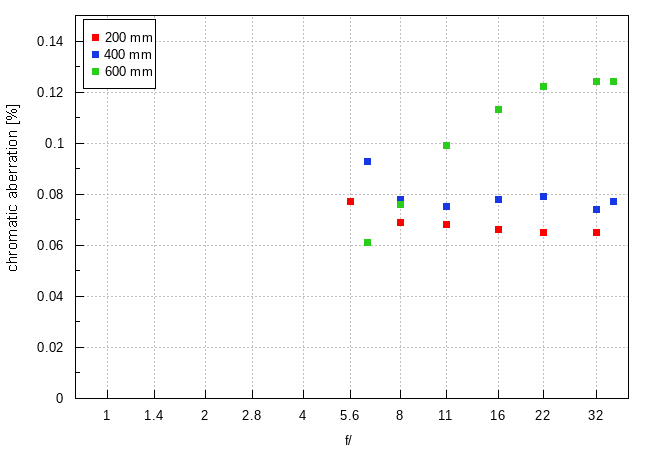
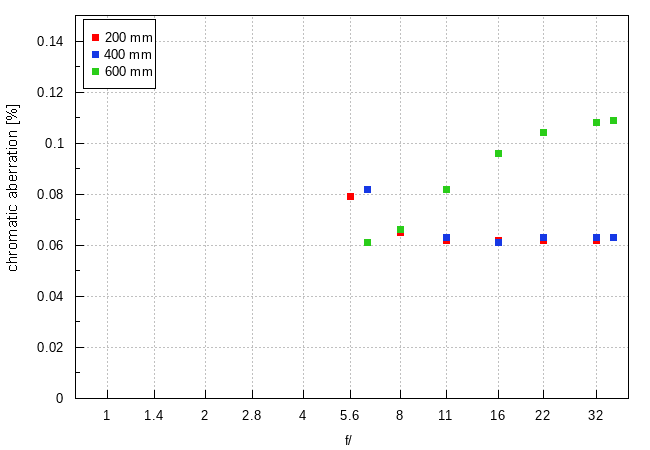
Shorter focal lengths aren't problematic here because in their case this aberration is low. The maximum relative aperture at 400 mm is an exception - the results are on the borderline of low and medium levels. The biggest chances to notice chromatic aberration you get at the maximum focal length where its level increases on stopping down the aperture, approaching medium levels. A kind of consolation is the fact that at apertures you use the most, ranging from f/6.3 to f/9.0, the aberration remains low, approaching these medium values only afterwards.
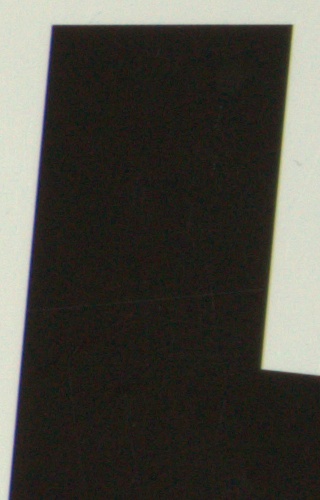
| A7R IIIa, RAW, 200 mm, f/11 | A7R IIIa, RAW, 600 mm, f/22.0 |
|
|
Spherical aberration
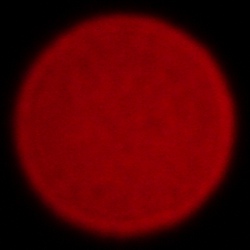
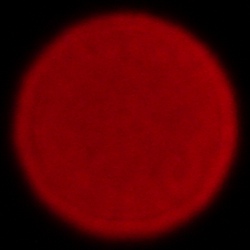
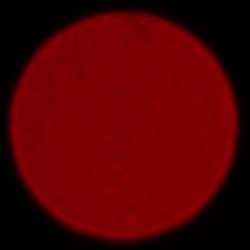
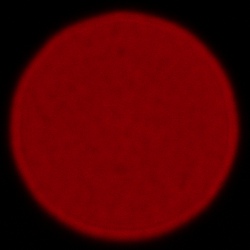
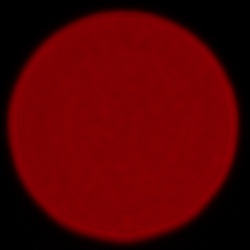
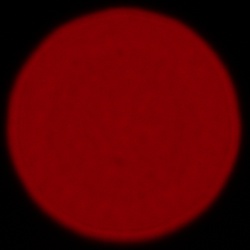
The tested lens doesn't show either noticeable 'focus shift effect or a delicate misting at the maximum relative aperture, a characteristic feature for badly corrected spherical aberration. At the same time this aberration is not noticeable in defocused circles of light we got before and behind the focus – these circles look really good at any focal length we examined. We can say the Sony 200-600 mm doesn't have any significant problems with the correction of spherical aberration.
| A7R IIIa, 200 mm, f/5.6, before | A7R IIIa, 200 mm, f/5.6, after |
|
|
| A7R IIIa, 400 mm, f/6.3, before | A7R IIIa, 400 mm, f/6.3, after |
|
|
| A7R IIIa, 600 mm, f/6.3, before | A7R IIIa, 600 mm, f/6.3, after |
|
|