Sony FE 400-800 mm f/6.3-8 G OSS
5. Chromatic and spherical aberration
Chromatic aberration
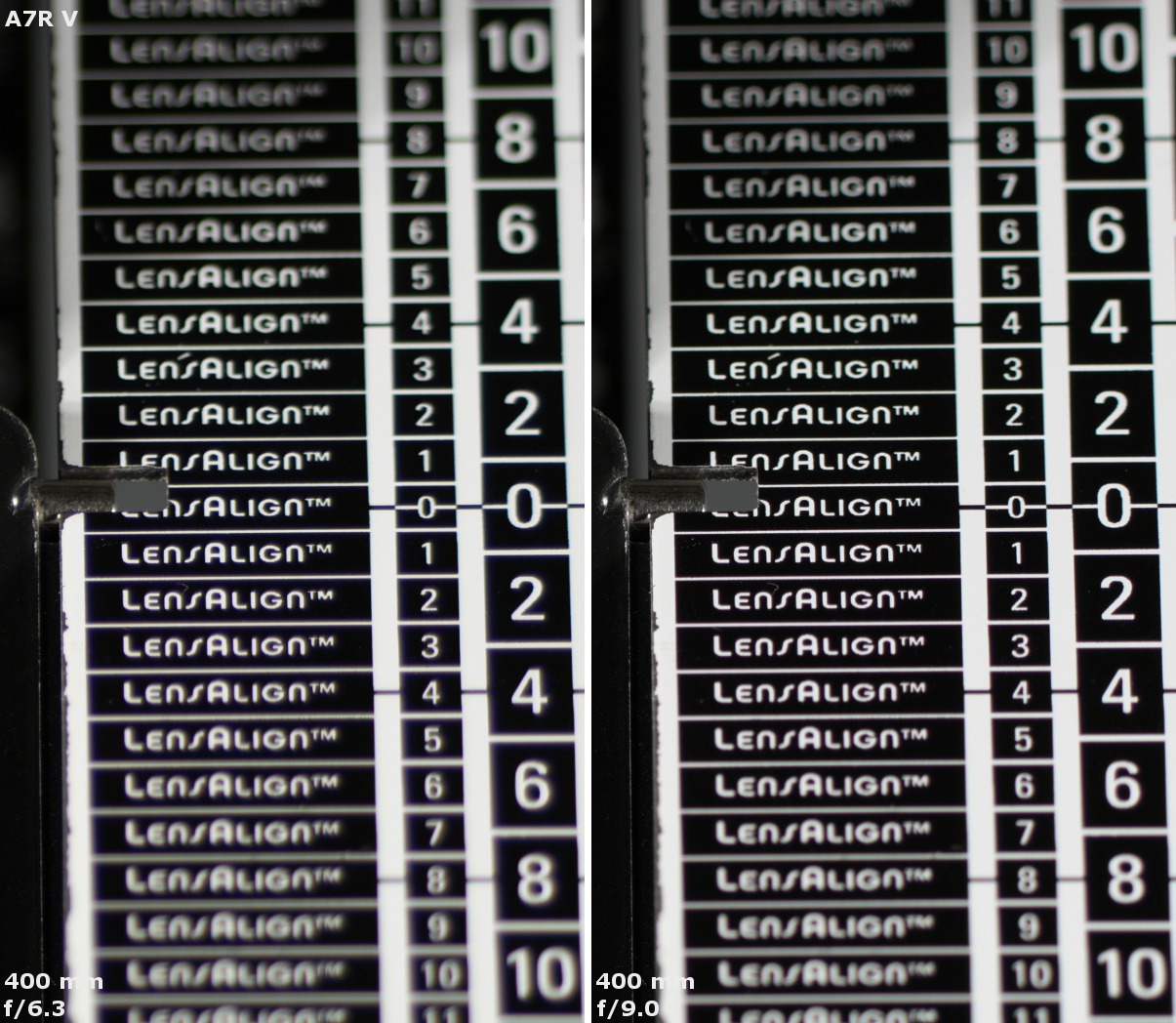
Using as many as six elements made of low dispersion glass made the Sony FE 400-800 mm f/6.3-8 G OSS simply immune to longitudinal chromatic aberration. At the 400 mm only at the maximum relative aperture you can notice very slight colouring and this fact concerns only out-of-focus areas positioned very far away. At 800 mm this effect practically disappears. In this category we have almost no reservations whatsoever.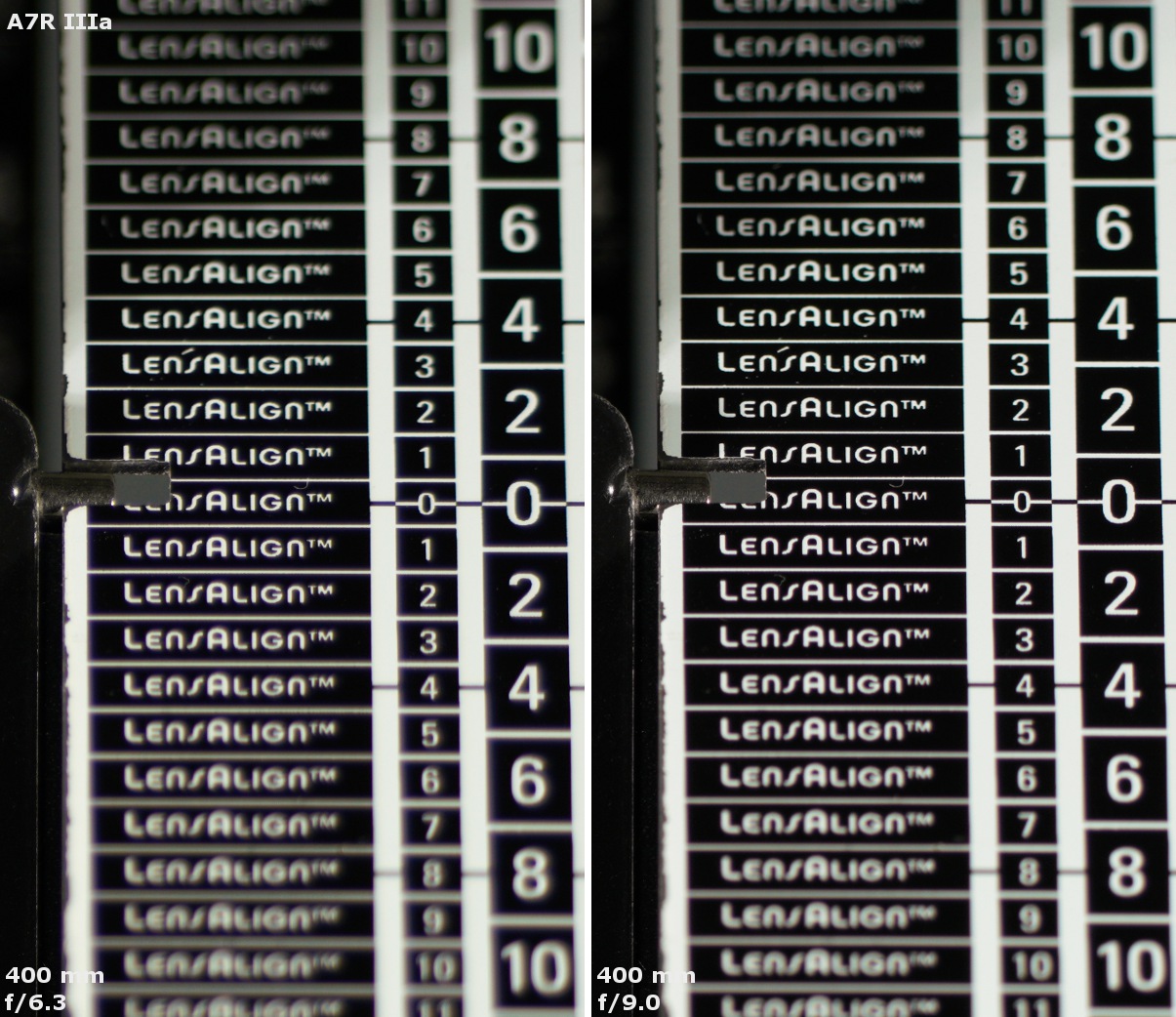 |
 |
Please Support UsIf you enjoy our reviews and articles, and you want us to continue our work please, support our website by donating through PayPal. The funds are going to be used for paying our editorial team, renting servers, and equipping our testing studio; only that way we will be able to continue providing you interesting content for free. |
- - - - - - - - - - - - - - - - - - - - - - - - - - - - - - - - - - - - - - - - - - - - - - - -
 |
 |
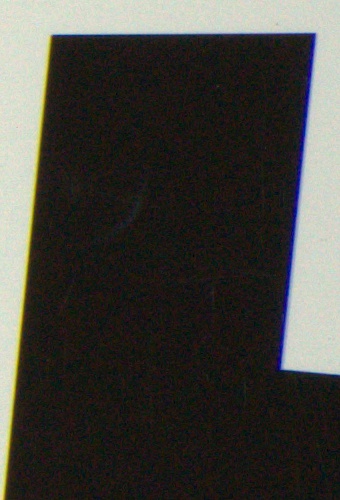
Now let's check how the tested lens deals with lateral chromatic aberration – graphs shown below present its performance in this category respectively on the edge of the APS-C sensor and on the edge of full frame.
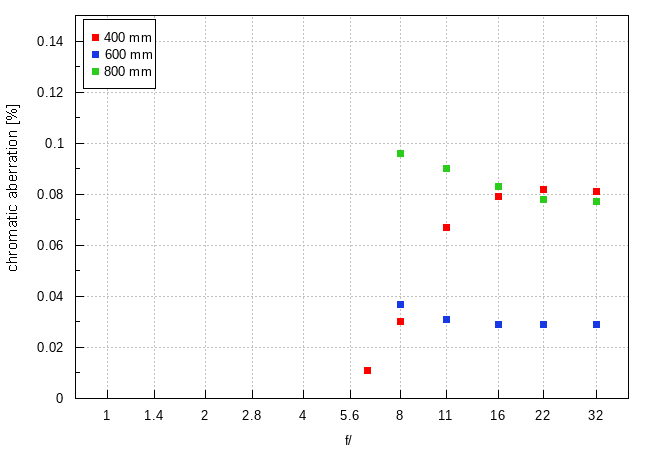
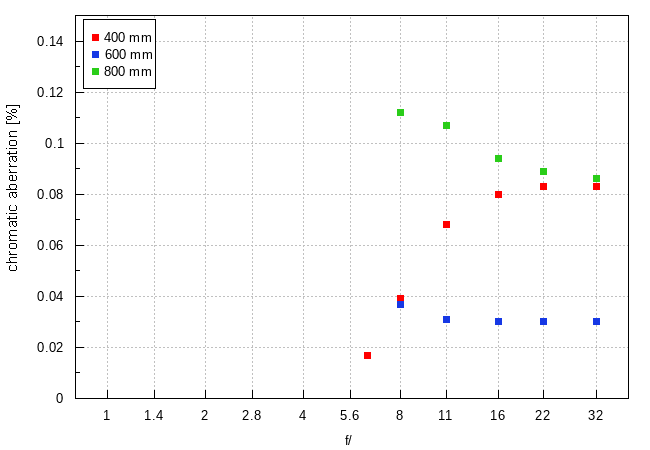
In this case the middle of the range fares definitely better – no matter what aperture you use, the results are lower than 0.04% so belonging to a very low level.
At 400 mm focal length aberration is also very low but only in the proximity of the maximum relative aperture. With stopping down its level increases very quickly but, fortunately, it never reaches medium levels.
The maximum focal length fares the other way round – aberration decreases on stopping down the aperture and its values are on the borderline between low and medium levels.
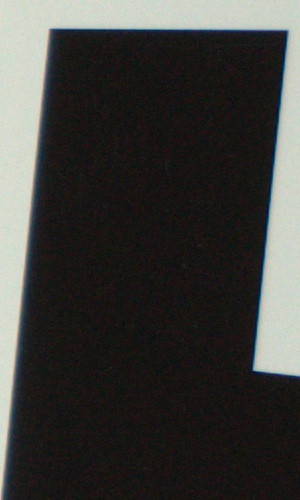
| A7R IIIa, RAW, 400 mm, f/6.3 | A7R IIIa, RAW, 800 mm, f/8.0 |
|
|
Spherical aberration
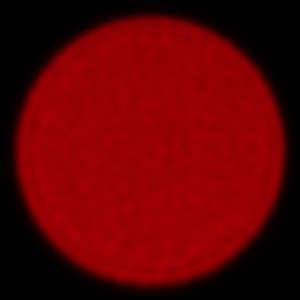
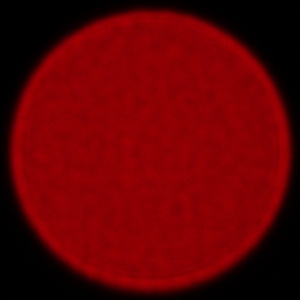
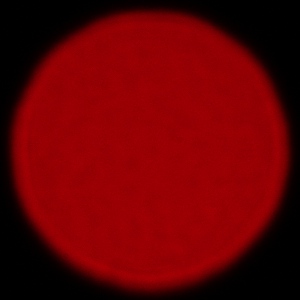
The tested lens doesn't show any noticeable 'focus shift' effect and/or delicate image misting at the maximum relative aperture, characteristic features of badly corrected spherical aberration. What's more, at the longer focal length the maximum relative aperture is exactly the place where the lens reaches very good, and, at the same time, the best results. They practically exclude the presence of any distinct level of spherical aberration. The slight influence of this aberration can be noticed only and solely in the appearance of defocused circles of light at the shorter focal length - in the circle we got behind the focus there is a slightly brighter rim. Overall we can say the Sony 400-800 mm corrects spherical aberration quite well.
| A7R V, 400 mm, f/6.3, before | A7R V, 400 mm, f/6.3, after |
|
|
| A7R V, 800 mm, f/8.0, before | A7R V, 800 mm, f/8.0, after |
|
|