Leica APO-Summicron-SL 75 mm f/2 ASPH.
10. Autofocus and focus breathing
Autofocus
The Summicron-SL lenses, the tested 75 mm f/2 among them, are equipped with the Dual Syncro Drive autofocus system. It consists of two lightweight focusing elements (weighing just 10 grams each) and each of them has a precise stepping motor. This system is supposed to ensure quick, precise and almost noiseless performance.The autofocus of the APO-Summicron2/75 joined with the Panasonic Lumix S1R II is noiseless indeed – all you hear is just a very low movement of shifting groups of elements.
The speed doesn't bowl you over because running through the whole distance range and confirming the focus takes about 0.6-0.7 of a second. This value depends very weakly on the direction of your movement and lighting conditions.
We don't have any reasons to complain when it comes to the accuracy of the focusing mechanism. It remains very high, no matter whether you shoot in a studio or outside.
Please Support UsIf you enjoy our reviews and articles, and you want us to continue our work please, support our website by donating through PayPal. The funds are going to be used for paying our editorial team, renting servers, and equipping our testing studio; only that way we will be able to continue providing you interesting content for free. |
- - - - - - - - - - - - - - - - - - - - - - - - - - - - - - - - - - - - - - - - - - - - - - - -
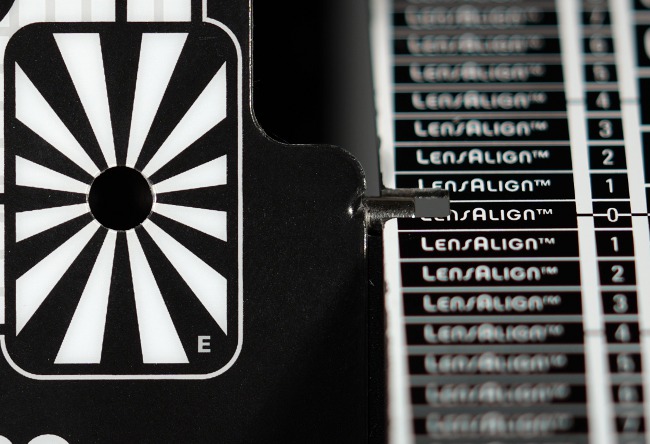
We also didn't notice any problems with front or back focus tendencies.
| Panasonic S1R II, 75 mm, f/2.0 |
 |
Focus breathing
Tests of focus breathing show reframing images as you oversharp them. We conduct the test by manually passing from the minimum focusing distance to infinity with the aperture stopped down; then we check how the field of view of the lens changed as a result.A frame change ranging from 0 to 5% we consider to be low. Between 5 and 10% you can speak about medium levels. Usually such values constitute also the maximum efficiency level of any breathing compensation algorithms, present in some bodies. Between 10 and 15% focus breathing is high, above 15% its level can be called very high.
Below we present the test video of the Leica lens: