Sigma C 20-200 mm f/3.5-6.3 DG
5. Chromatic and spherical aberration
Chromatic aberration
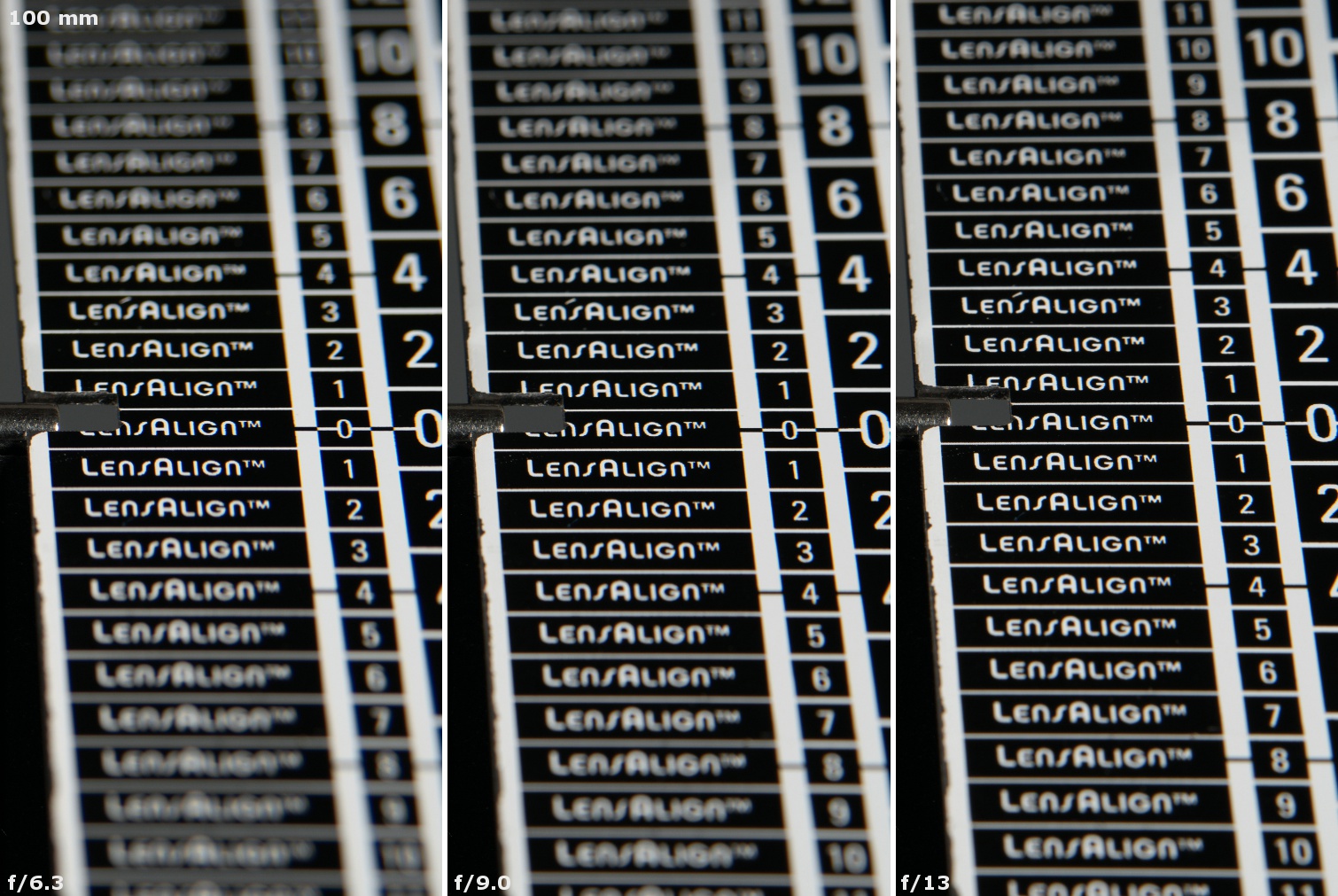
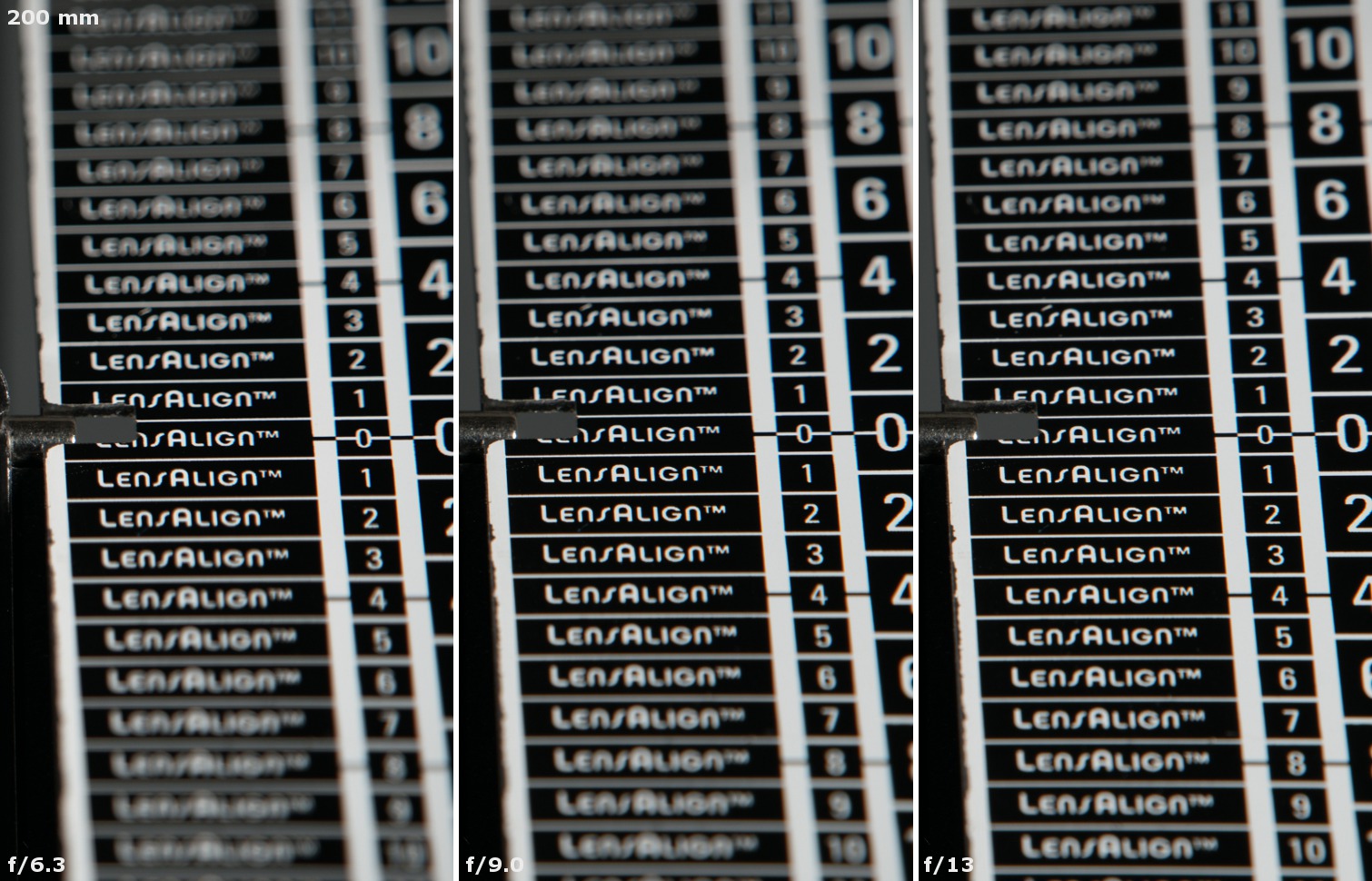
Taking into account the aperture fastness, offered by the tested Sigma, we didn't expect any significant problems with longitudinal chromatic aberration. Indeed we didn't find them. The photos taken at 50, 100, and 200 mm, where it is easier to get shallow depth of field, look well even at the maximum relative aperture, without any distinct colouring in closer or further out-of-focus areas.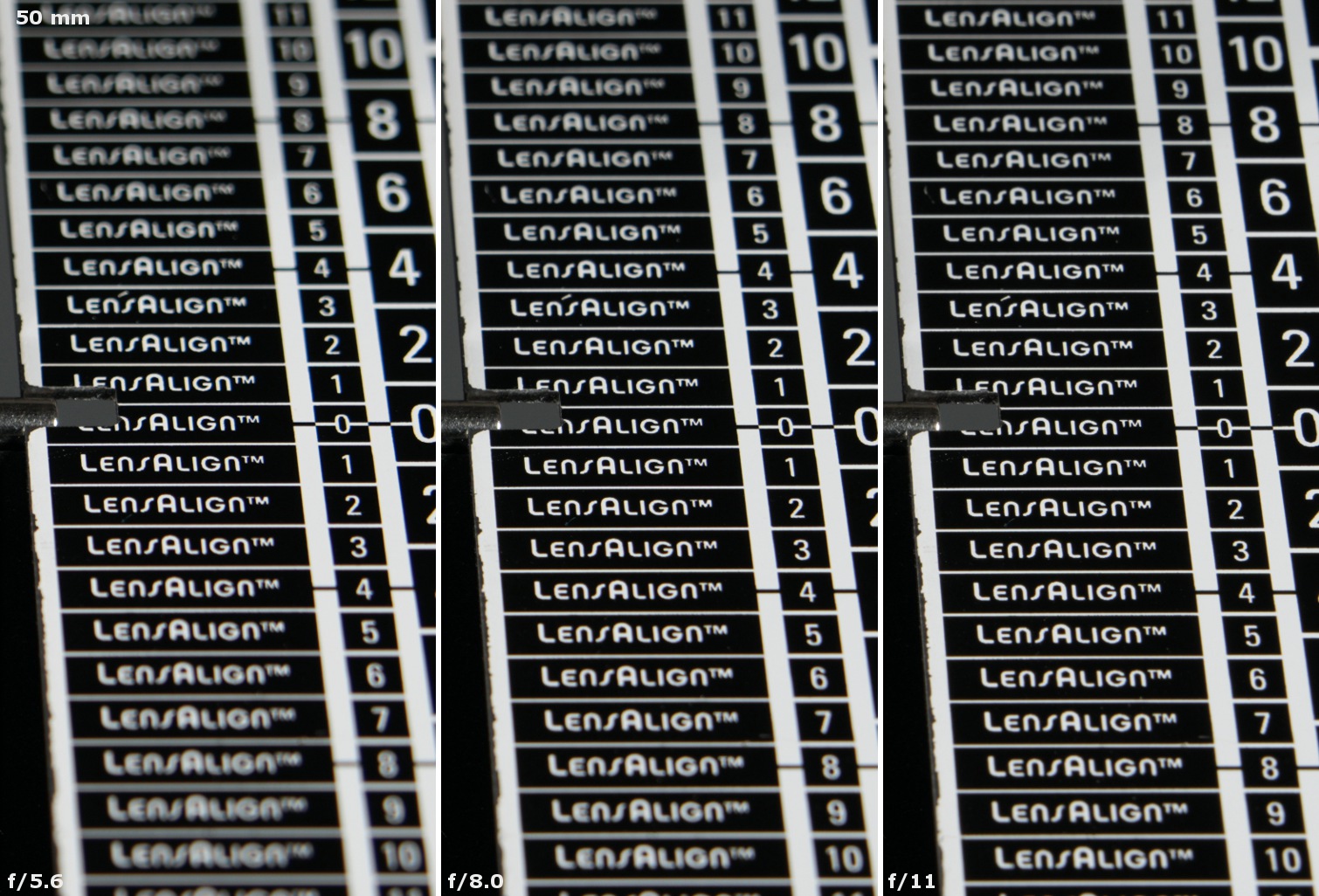 |
 |
Please Support UsIf you enjoy our reviews and articles, and you want us to continue our work please, support our website by donating through PayPal. The funds are going to be used for paying our editorial team, renting servers, and equipping our testing studio; only that way we will be able to continue providing you interesting content for free. |
- - - - - - - - - - - - - - - - - - - - - - - - - - - - - - - - - - - - - - - - - - - - - - - -
 |
Lateral chromatic aberration is a different story; its performance on the edge of the APS-C/DX sensor and on the edge of full frame, respectively, present two graphs below.
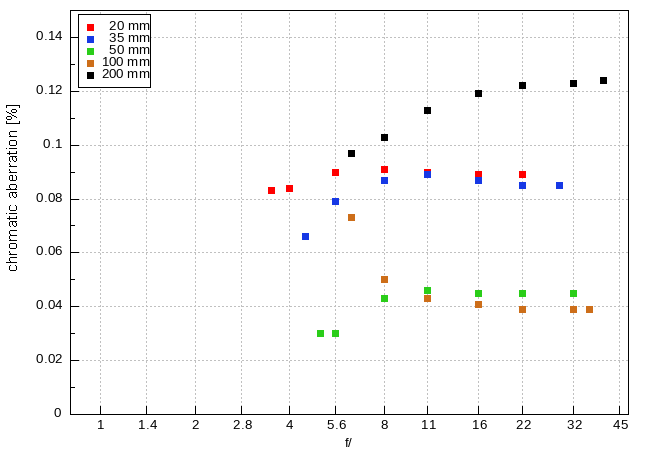
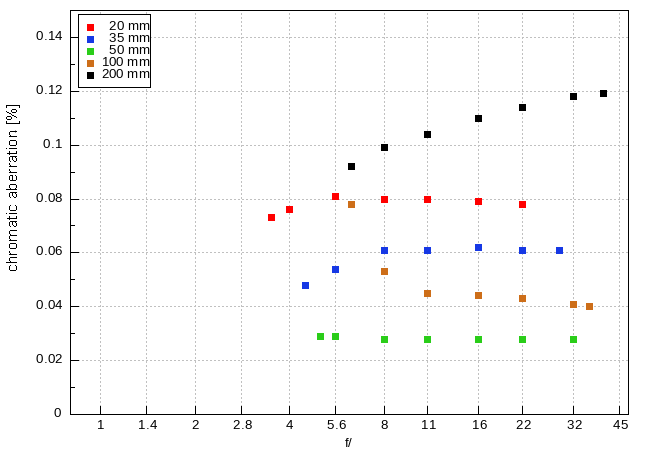
At 50 mm you won't see absolutely any problems with this aberration as its level is simply low. Also 35 and 100 mm don't provide any reasons to worry as you get values on the borderline of very low and low levels.
Lateral chromatic aberration is the most bothersome on both ends of the focal range. Fortunately at 20 mm its level is not especially distinct because its performance depends weakly on aperture values and is situated on the borderline of low and medium levels. The same cannot be said about the 200 mm focal length, though. Here the dependence on aperture values is clear because the aberration increases starting from the borderline of low and medium values near the maximum relative aperture and ending on a level close to high on more distinct stopping down. This performance explains why the 200 mm focal length exactly had problems with delivering good resolution on the edge of the frame.
Still you have to admit that the highest values of chromatic aberration, such as might be bothersome on real life photos, appear only by apertures from f/16 upwards. Meanwhile the majority of photos you are going to take at 200 mm will use apertures ranging from f/6.3 to f/11, where this aberration remains medium and can be ignored. Once again you get a kind of compromise, but it's been carefully chosen so it won't be especially painful in real life uses. A round of applause for a sensible approach!
| A7R IIIa, RAW, 50 mm, f/11 | A7R IIIa, RAW, 200 mm, f/32 |
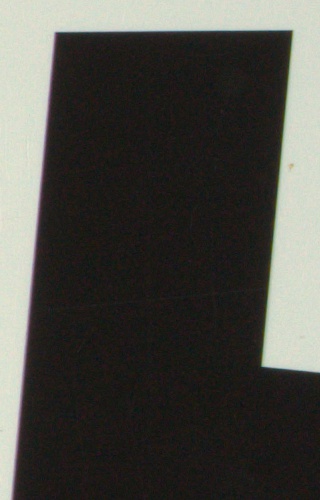
|
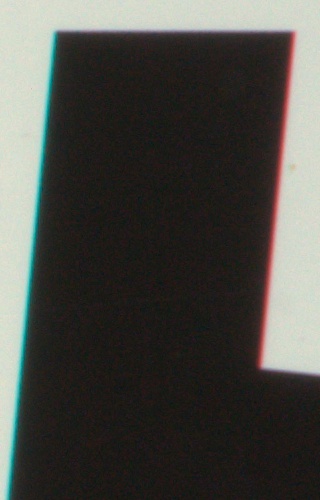
|
Spherical aberration
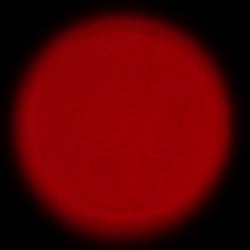
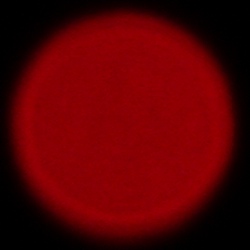
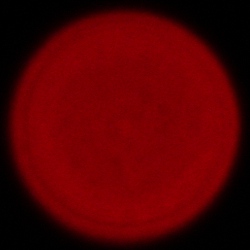
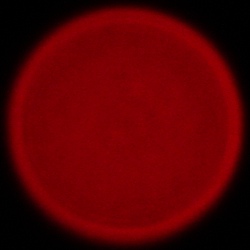
In first photos of this chapter it would be difficult to notice any focus shift effect. When it comes to the appearance of out-of-focus circles of light reached before and behind the focus they look very much the same: the circle before the focus has soft edges and the circle behind the focus features a slightly accented rim. It means spherical aberration is not corrected in a perfect way.At the same time lack of focus shift, good resolution in the frame centre, and lack of characteristic 'mist' at the maximum relative aperture might suggest that this aberration cannot be very high.
| A7R V, 50 mm, f/5.0, before | A7R V, 50 mm, f/5.0, after |
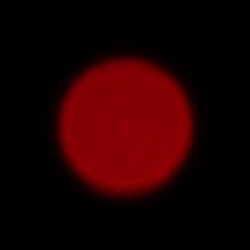
|
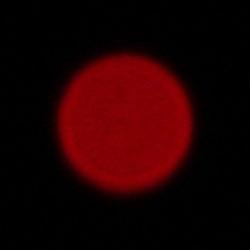
|
| A7R V, 100 mm, f/6.3, before | A7R V, 100 mm, f/6.3, after |
|
|
| A7R V, 200 mm, f/6.3, before | A7R V, 200 mm, f/6.3, after |
|
|