Voigtlander Apo Lanthar 28 mm f/2 Aspherical
5. Chromatic and spherical aberration
Chromatic aberration
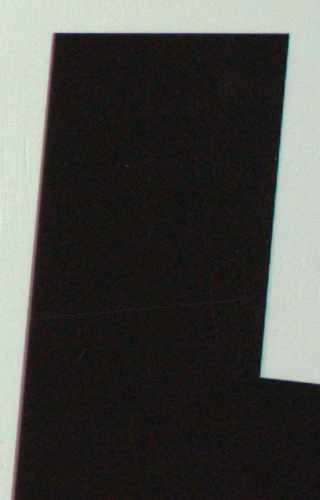
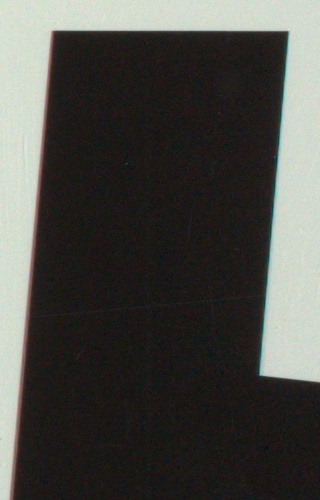
The 'APO' letters in the name of the lens promise you a lot so in this category our expectations were really high. Still, we weren't disappointed. While looking at photos below, you can find out that longitudinal chromatic aberration is corrected very well. Crops below show that there are practically no problems whatsoever, with a very good performance even at the maximum relative aperture.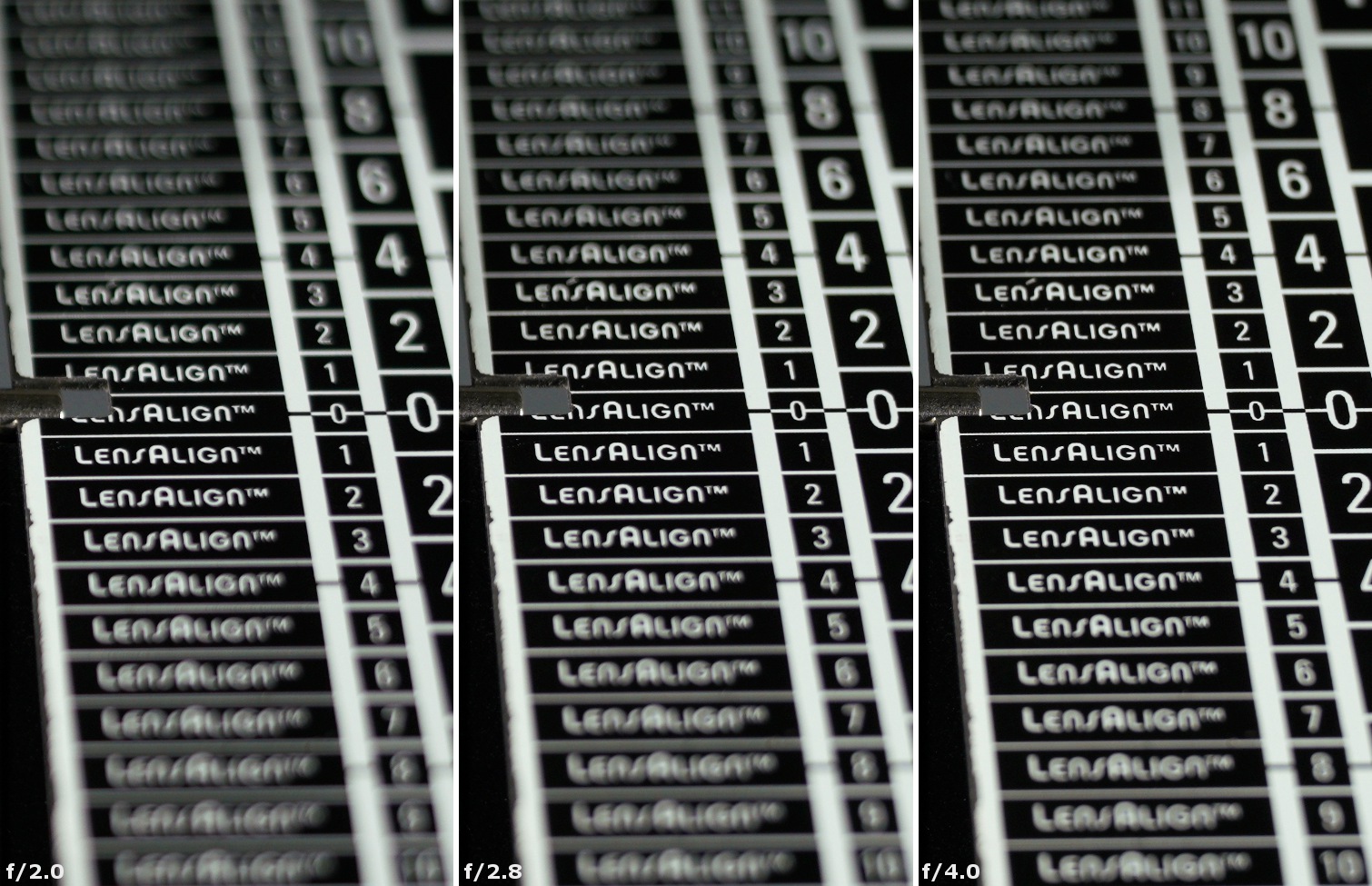 |
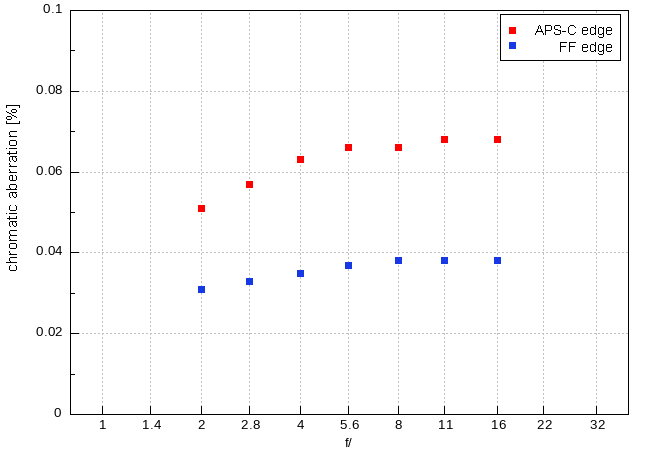
What about lateral chromatic aberration? An appropriate graph can be found below.
Please Support UsIf you enjoy our reviews and articles, and you want us to continue our work please, support our website by donating through PayPal. The funds are going to be used for paying our editorial team, renting servers, and equipping our testing studio; only that way we will be able to continue providing you interesting content for free. |
- - - - - - - - - - - - - - - - - - - - - - - - - - - - - - - - - - - - - - - - - - - - - - - -
The edge of full frame can be described in superlatives only, with results that don't exceed 0.04% at any point, so their level can be described as very low. On the edge of the APS-C sensor, there are a few more issues, with aberration increasing on stopping down the aperture from 0.05% by f/2.0 to almost 0.07% on a more significant stopping down. Still, all these values fit low levels, so we don't have almost any reservations.
Once again, the tested Voigtlander compares very favourably to the Sony 2/28 because the Sony on the edge of the APS-C could reach a high level of over 0.15% and on the edge of full frame it was almost 0.09%.
| A7R IIIa, RAW, f/2.0 | A7R IIIa, RAW, f/8.0 |
|
|
Spherical aberration
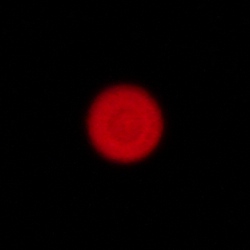
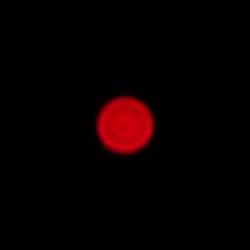
The first photos of this chapter don't feature any 'focus shift' eeffect,and it suggests that the Apo Lanthar 2/28 deals well with spherical aberration.Some influence of this aberration can be noticed in the appearance of out-of-focus circles of light generated behind and before the focus. In this first case you see a soft edge of the circle and in the second one you deal wwith aslightly brighter rim. Still, these effects are not especially pronounced.
Lack of focus shift and a very high image resolution you observe up from the maximum relative aperture indicate very strongly that any possible problems with spherical aberration are low and don't i strongly influence the performance of the tested instrument.
| A7R V, f/2.0, before | A7R V, f/2.0, after |
|
|