Viltrox AF 35 mm f/1.8 EVO
5. Chromatic and spherical aberration
Chromatic aberration
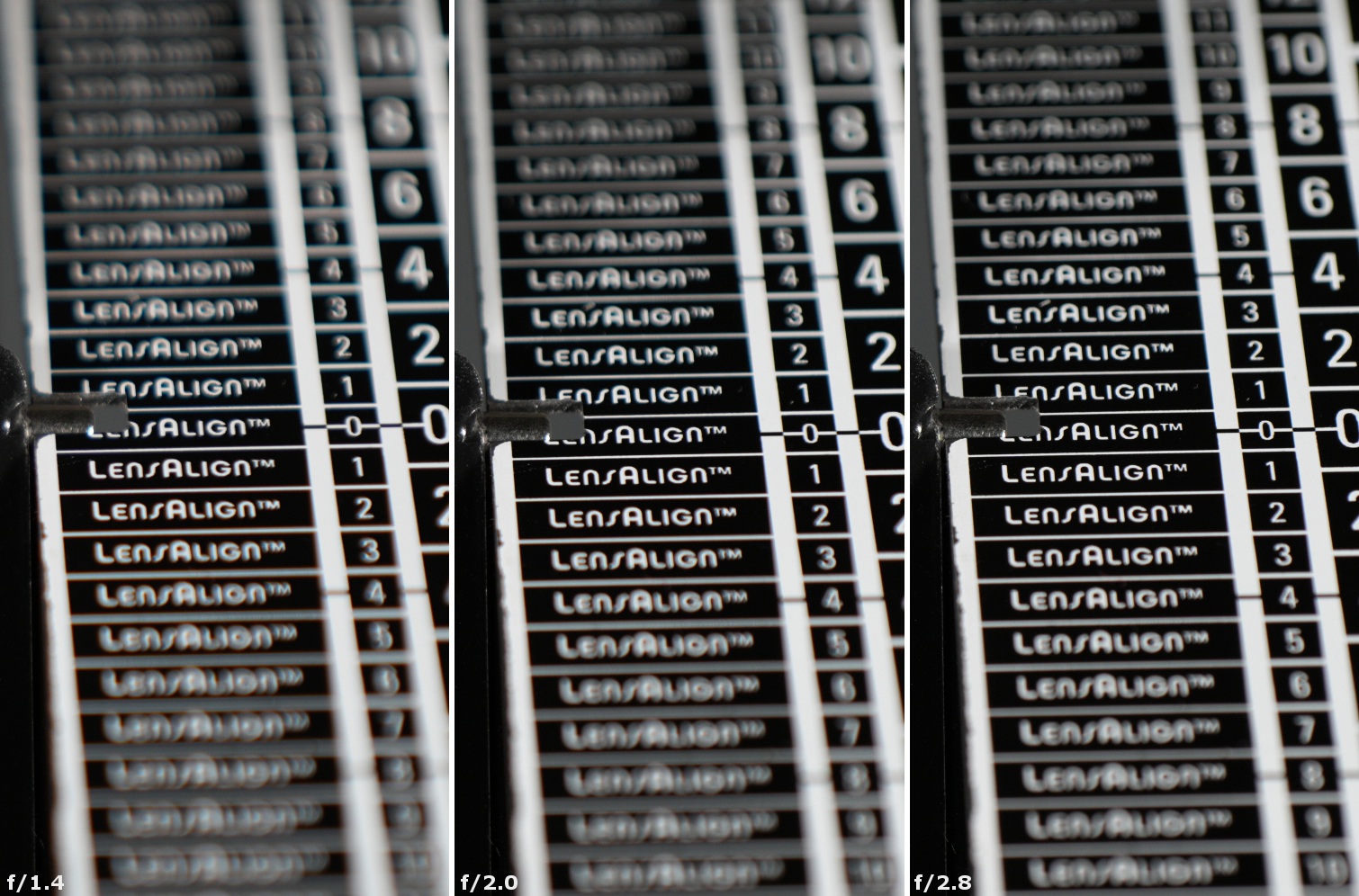
Such a complex optical construction, with many special elements inside, should properly correct longitudinal chromatic aberration. Photos below are quite clear: in this category the Viltrox is beyond any reproach. At the maximum relative aperture in out-of-focus areas positioned further in the frame, you can notice slight colouring. Behind the focus the image is yellowish-green and before the focus it turns slightly red. These effects are not especially pronounced and they decrease on stopping down. Overall, we think they shouldn't bother you in typical shots.The results of the Viltrox are very similar to the results of the Nikkor Z 1.8/35 and noticeably better than the results of the Sony FE 1.8/35, a lens where the producers didn't decide to add low dispersion elements in the optical system and it backfired a bit.
 |
Now let's check how the Viltrox AF 35 mm f/1.8 EVO deals with lateral chromatic aberration. Its performance depending on the used detector and aperture values presents a graph below.
Please Support UsIf you enjoy our reviews and articles, and you want us to continue our work please, support our website by donating through PayPal. The funds are going to be used for paying our editorial team, renting servers, and equipping our testing studio; only that way we will be able to continue providing you interesting content for free. |
- - - - - - - - - - - - - - - - - - - - - - - - - - - - - - - - - - - - - - - - - - - - - - - -
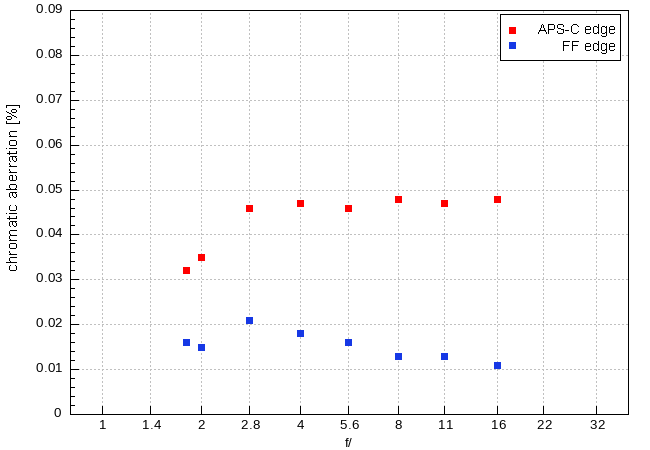
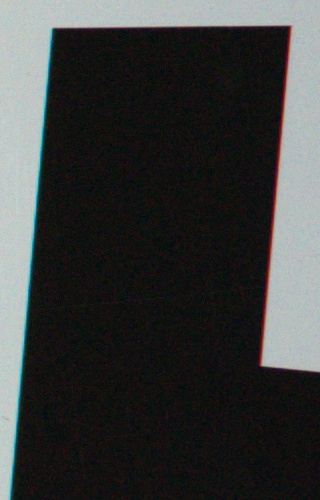
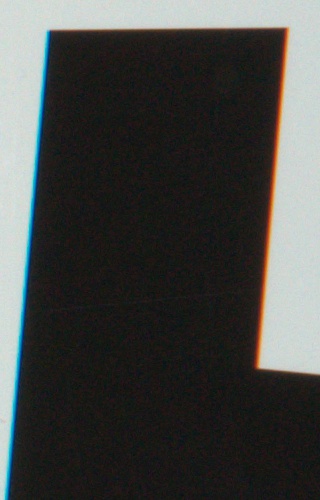
The results are quite interesting. On the edge of full frame, aberration is negligible, keeping a range from 0.01-0.02%. Still, on the edge of the APS-C/DX sensor, it is distinctly higher, with results starting from 0.03% near the maximum relative aperture to 0.05% on more distinct stopping down. Of course, as all these results are on the borderline between very low and low level, there are no reasons to worry.
In this category the Nikkor Z 1.8/35 fares a tad better than the tested lens and the Sony FE 1.8/35 a bit weaker. Overall, all lenses examined here dealt well with the correction of lateral chromatic aberration.
| A7R IIIa, RAW, f/1.8 | A7R IIIa, RAW, f/16.0 |
|
|
Spherical aberration
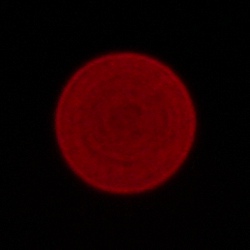
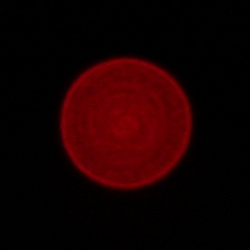
It would be difficult to notice any focus shift effect in first photos of this chapter and it proves that the tested Viltrox doesn't have any serious problems with correction of spherical aberration. A very good image quality, presented up from its maximum relative aperture, supports it.A small influence of this aberration can be noticed in light spread inside defocused circles we produced before and after the focus. Both circles show a slightly accented rim, but in the second one it is a tad brighter. It is not a very distinct effect, so it doesn't change our assessment in this category and still allows us to state that the Viltrox AF 1.8/35 EVO performs quite well in this category.
| A7R V, f/1.8, before | A7R V, f/1.8, after |
|
|